




Toyota to Sell RAV4-EV to California Retail Customers in February 2002
Toyota Motor Sales (TMS), U.S.A. Inc. announced Dec. 12, 2001, that it will begin offering the RAV4-EV (electric vehicle) to retail customers in California beginning in February 2002. The Toyota RAV4-EV is a zero-emission, electric version of Toyota’s RAV4 sport/utility vehicle (SUV). The announcement was made at the 2001 Electric Transportation Industry Conference and Exposition. In 1997, Toyota began making the RAV4-EV available nationally through a special fleet lease program to major corporations and utilities. Today, more than 900 RAV4-EVs are in service nationwide, including 700 in California. Beginning in 2003, the California Air Resources Board (CARB) Zero Emissions Vehicle Mandate (ZEV) will take effect, requiring 10 percent of all new vehicles sold in California to meet low-emissions standards, with 2 percent qualified as zero-emission vehicles. As part of Toyota’s overall compliance effort, and in order to meet the zero-emissions mandate, Toyota will begin offering RAV4-EVs to retail customers in February 2002. The RAV4-EV is powered by a maintenance-free, permanent magnet motor, producing 50kW of power (equivalent to a 67-horsepower gasoline engine). It will have a top speed of 78 mph, and a range between 80 and 100 miles per charge. Standard equipment includes four-wheel anti-lock brakes, alloy wheels, dual front airbags, air conditioning, power-operated mirrors, windows and door locks, and a sound system with a CD player. The RAV4-EV will have a manufacturers suggested retail price (MSRP) of $42,000, but a $9,000 incentive from CARB and a $3,000 IRS credit will bring the price down to $30,000, which includes an in-home charging device. There will also be three special introductory lease options, which also include the use of the charger.
More Operations

Fleet Meets: Eric Kilgore
This edition of the Fleet Meets series features one of the industry's best leaders driving multi-market and national operations.
Read More →
Why Reactive Fleet Management Is Becoming Too Expensive to Sustain
Research highlights a growing need for proactive management strategies to address rising costs in fleet operations effectively.
Read More →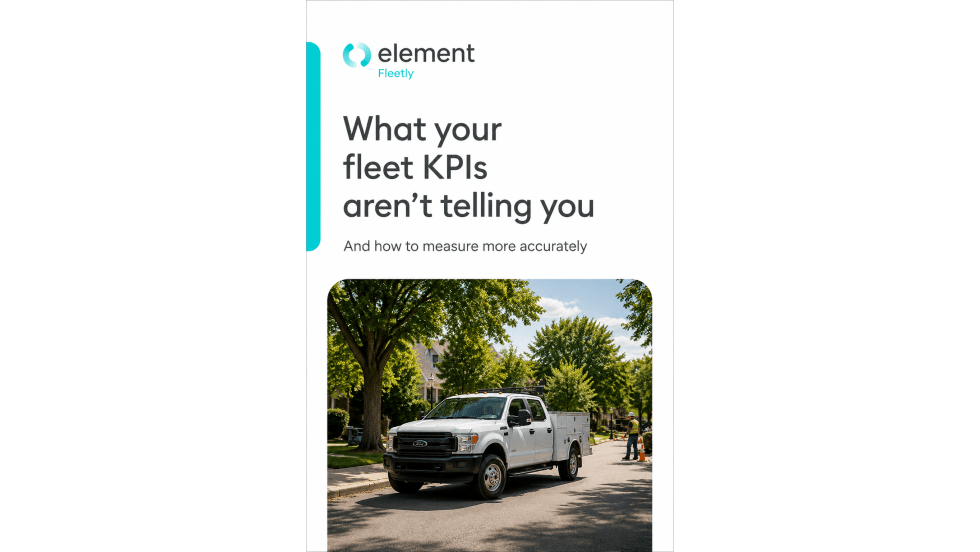
What Your Fleet KPIs Aren’t Telling You
Tracking fleet metrics is only useful when the data leads to better decisions. This guide helps fleet leaders assess cost, utilization, and downtime more accurately, identify performance gaps, and prioritize the actions that can improve operational results.
Read More →


Hidden in Plain Sight: Fleet Compliance Risks
Fleet compliance isn't just about having policies — it's about consistently enforcing them. This practical guide reveals six hidden compliance risks common in public sector and shared fleet operations and outlines proven strategies to improve visibility, accountability, and audit readiness
Read More →
Turning Fleet Payment Data into Executive Insights
Does data alone drive results in operations?
Read More →
Automotive Fleet Opens 2026 Personal Use Survey for Commercial Fleet Managers
Commercial and corporate fleet managers are invited to share how their organizations handle company vehicle personal-use policies, charges, and driver eligibility.
Read More →
Gary Van Orden Retires After Nearly Four Decades in Commercial Fleet
From answering customer calls at Ford Motor Company to leading fleet sales across multiple OEMs and a fleet management company, Gary Van Orden's career reflects nearly four decades of leadership in commercial fleet.
Read More →
How Stellantis Plans to Get Ahead of Fleet Downtime
Vehicle acquisition may grab the headlines, but fleet uptime increasingly determines operating success. Darren Bradshaw of Mopar North America gives the details.
Read More →
Hyundai Releases 2027 Commercial Program Incentives
The 2027 Model Year "Fleet Street Incentives" are available to commercial and government fleets.
Read More →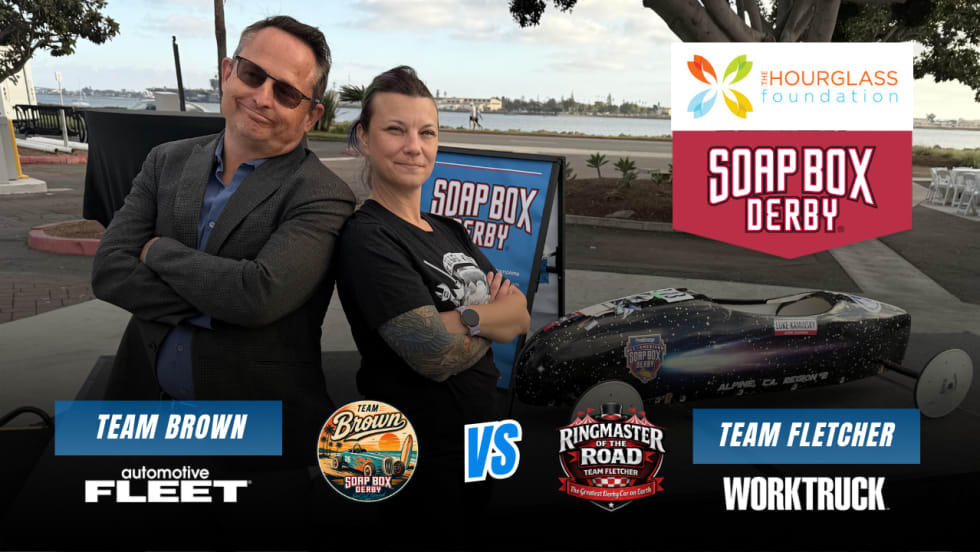
It's All Downhill from Here! Fleet Industry Raises $22,000 for Skilled Trades Scholarships
Work Truck’s Lauren Fletcher and Automotive Fleet’s Chris Brown turned a friendly racing rivalry into $22,000 for automotive technology and skilled trades scholarships.
Read More →