




Toyota Rebooting Itself as Mobility Company
Toyota has been expanding its engineering research and development efforts so it can transform itself into a mobility company — an effort that resulted in the company leading automakers in U.S. patent filings in 2017.


Toyota is transforming itself into a mobility company, which includes acquiring more patents such as developing the advanced technologies of a vehicle's display meter (shown).
Photo courtesy of Toyota.
Toyota Motor Corp. has been expanding its engineering research and development efforts so it can transform itself from an automaker into a mobility company — an effort that resulted in the company leading automakers in U.S. patent filings in 2017, according to Toyota.
Toyota was awarded 2,015 patents by the U.S. Patent and Trademark Office, which was the most among automakers, according to the Intellectual Property Owners Association. Toyota has been awarded the most patents for four years running.
While speaking at the annual shareholders meeting on May 9, president Akio Toyoda told investors he has implemented a plan to "redesign" the company with more emphasis on mobility investments in "a battle for building a future society of mobility and for putting smiles on people's faces in the future."
Toyota will focus on advancing new technologies to enable electrification, autonomous vehicles, and connectivity to help create a "better society of mobility," he said.
Toyoda, the great grandson of Toyoda Automatic Loomworks founder Sakichi Toyota, likened the company's planned shift to a time in the early days of the company when his family began producing automobiles rather than looms. He has served as president since 2009.
"I think circumstances today parallel those [from] 80 years ago," Toyoda said. "Kiichiro Toyoda took up the challenge of redesigning the Toyota Group from a corporate group making looms into a corporate group making automobiles."
Related: Toyota Sets Ordering, Delivery Dates for 2019 Vehicles
More Vehicle Research
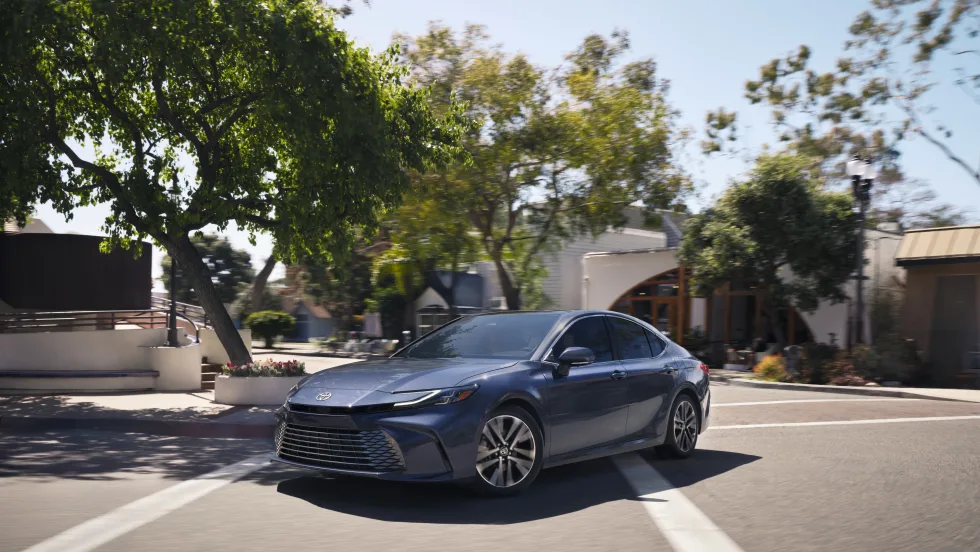
2027 Toyota Camry Offers Hybrid Powertrain Across Five Grades
The 2027 Toyota Camry is a carryover with new pricing.
Read More →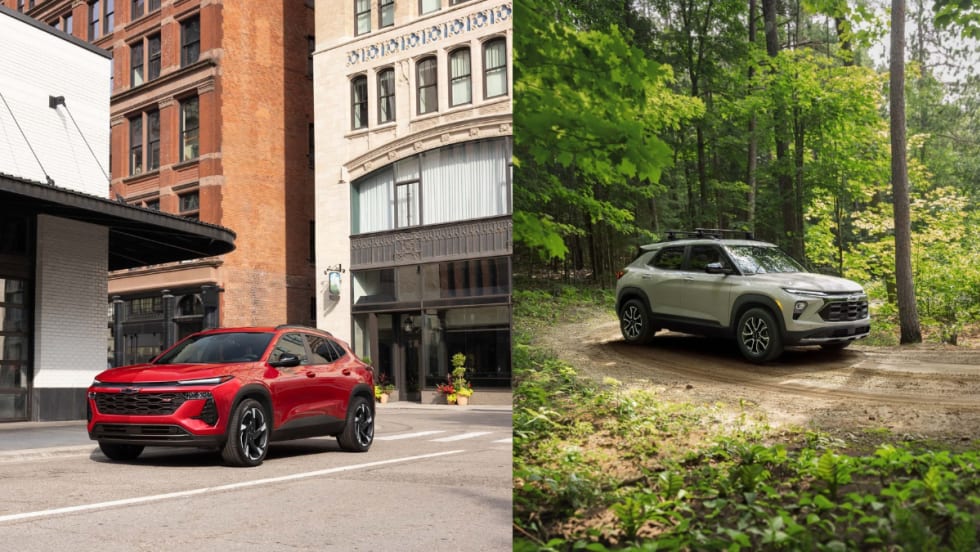
Chevrolet Updates 2027 Trax and Trailblazer with More Standard Safety Features
Chevrolet is updating two of its smallest SUVs with added driver-assistance technology, redesigned interiors, and revised trim options. The changes could add more safety equipment as standard for commercial fleets, while a new Trailblazer configuration adds another all-wheel-drive option.
Read More →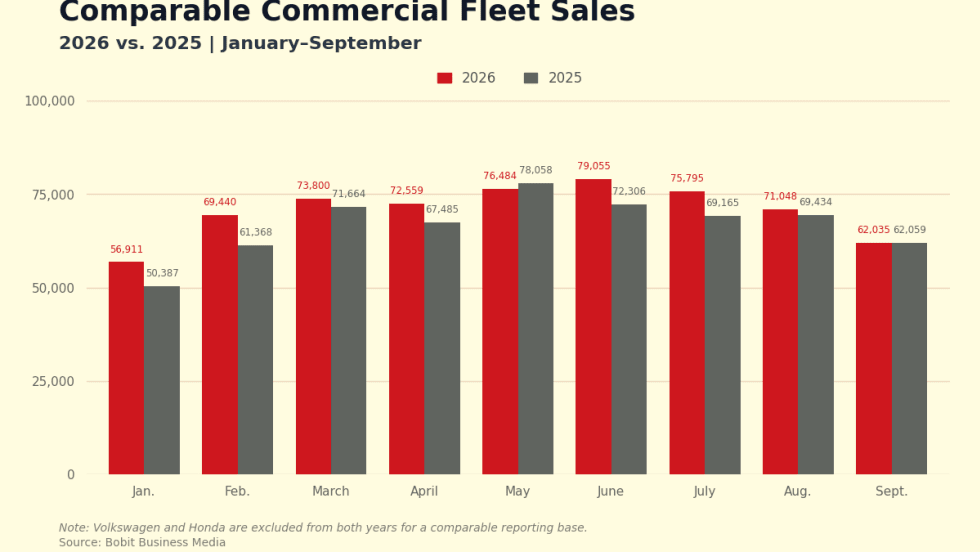
Commercial Fleet Sales Rise 5.8% Through September 2026
September commercial fleet sales were essentially unchanged from a year earlier, slowing year-to-date growth while keeping volume ahead of 2025.
Read More →
Hall of Fame Inductee: John Dmochowsky
The longtime Mondelēz International fleet executive joins the Automotive Fleet Hall of Fame.
Read More →
Hall of Fame Inductee: Lee Miller
After more than four decades at Boehringer Ingelheim, Lee Miller leaves a legacy built on fleet expertise.
Read More →
Hall of Fame Inductee: Mark F. Petersen
From managing fleets of thousands of vehicles to advancing safety and mentoring fellow professionals, Mark F. Petersen made his mark across both the corporate and supplier sides of fleet.
Read More →
When Charger Downtime Becomes a Fleet Availability Problem
As EV deployments move beyond pilot programs, charger reliability can directly affect vehicle readiness, driver productivity and route scheduling.
Read More →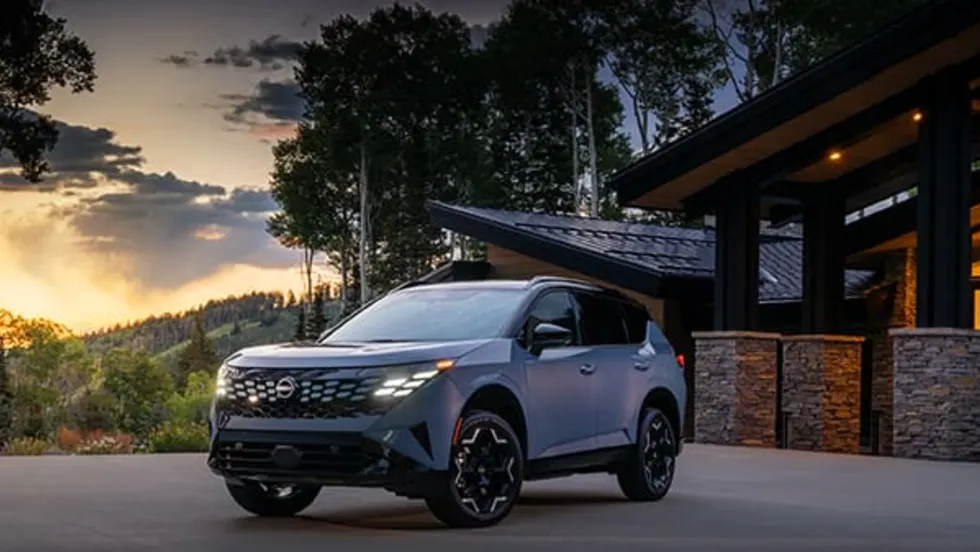
2027 Nissan Rogue Hybrid Adds e-POWER, Standard AWD
The new Rogue Hybrid uses Nissan’s e-POWER system with dual electric motors, offers an estimated 40 mpg and starts at $35,490.
Read More →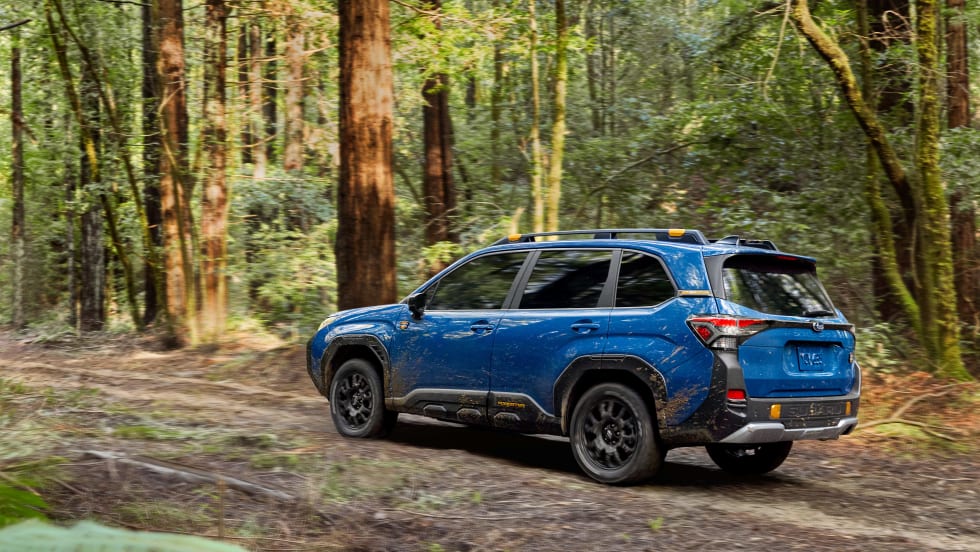
2027 Subaru Forester Adds First Wilderness Hybrid
The 2027 Forester lineup starts at $29,995 and adds a Wilderness Hybrid with 194 combined horsepower and 9.3 inches of ground clearance.
Read More →
EV Realty Names Henrik Holland President as Charging Platform Expands
The former Prologis Mobility and Shell executive will help expand EV Realty’s truck charging business and move its power-first infrastructure model into autonomous vehicle depots and other fleet sectors.
Read More →