




Toyota Explores Blockchain Tech in Autonomous Cars
The Toyota Research Institute is working with MIT Media Lab and others to develop new ways to securely share and store autonomous vehicle testing and usage data.
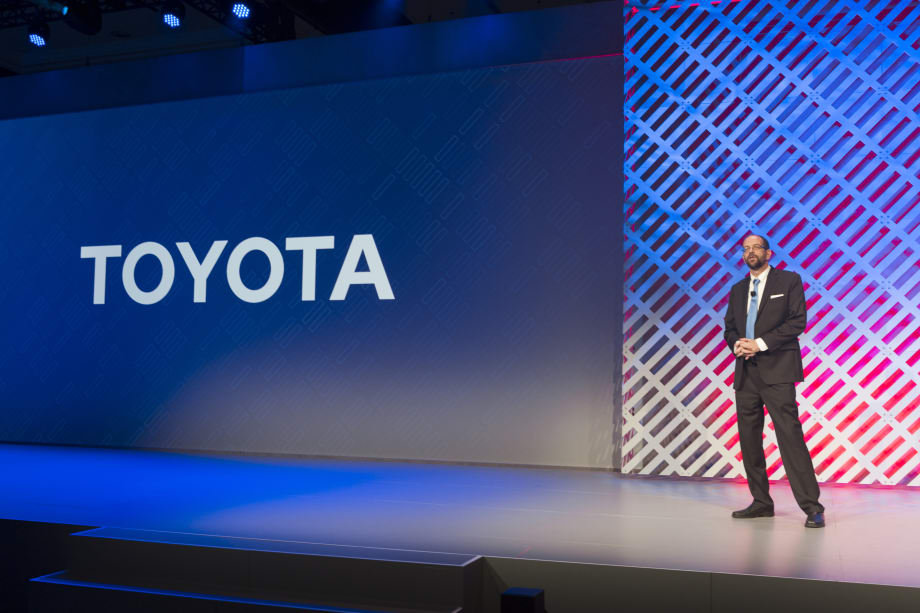
Dr. Gill Pratt, shown here during a presentation at CES 2016, is CEO of Toyota Research Institute. TRI has research facilities in California, Michigan and Massachusetts.
Photo: Toyota
The Toyota Research Institute (TRI) is exploring blockchain and distributed ledger technology (BC/DL) in hopes of accelerating development of autonomous vehicle systems, the institute said.
TRI is collaborating with the MIT Media Lab and other industry partners to foster a digital environment where users may securely share driving and autonomous vehicle testing data, manage ride-share and car-share transactions, and store vehicle usage information that could be used in the setting of insurance rates, TRI said.
Blockchain technology sends information over a network of independent computers, known as a distributed ledger. The goal is to ensure that the transaction is secure and ownership rights over the data or property are protected.
TRI said it believes blockchain may create transparency and trust among users, reduce risk of fraud, and reduce or eliminate transaction costs such as fees or surcharges applied by third-party institutions.
“Hundreds of billions of miles of human driving data may be needed to develop safe and reliable autonomous vehicles,” explained Chris Ballinger, director of mobility services and chief financial officer at TRI. “Blockchains and distributed ledgers may enable pooling data from vehicle owners, fleet managers, and manufacturers to shorten the time for reaching this goal, thereby bringing forward the safety, efficiency and convenience benefits of autonomous driving technology.”
Through an open-source approach to software tools, TRI is creating a user consortium and hopes to stimulate more rapid adoption of blockchain by other companies developing autonomous vehicles and providing mobility services. TRI added that it’s inviting other parties to collaborate on further development of BC/DL technology applications in vehicle data and services.
TRI added that it is already working with several industry partners, in addition to MIT Media Lab, to develop applications and proofs of concept for three areas of the new mobility ecosystem: driving/testing data sharing, car/ride share transactions and usage-based insurance.
Driving/Testing Data Sharing — Blockchain technology may allow companies and individuals to securely share and monetize their driving information and access the data contributed by others in a secure marketplace. This approach builds on a similar blockchain initiative to create digital property rights in the music industry, the Open Music Initiative. Modern vehicles are increasingly aware of their environment through onboard sensors and are increasingly connected to the cloud, roadway infrastructure and other vehicles, all of which are generating massive amounts of valuable data. BC/DL may create an opportunity to share driving and autonomous testing data in an environment that preserves ownership of the data by the creator.
Car/Ride Share Transactions — Tools based on BC/DL have the potential to empower vehicle owners to monetize their asset by selling rides, cargo space or even the use of the vehicle itself. The blockchain can store data about the vehicle’s usage and information about vehicle owners, drivers and passengers. This profile information can help validate a “smart contract” between two parties plus manage payment of services between them without the need for a financial intermediary, thereby saving transaction surcharges. The system may also provide connectivity to vehicle functions for remote locking/unlocking doors and engine startup/shut off.
Usage-Based Insurance — The blockchain can also be used for vehicle owners to save money on their insurance rates. By allowing the vehicle’s sensors to collect driving data and store it in a blockchain, vehicle owners might further lower their insurance costs by giving insurers increased transparency to reduce fraud, plus granting them access to driving data to measure safe driving habits.
“I'm excited Toyota is spearheading this initiative that uses blockchain technology to create an open platform where users can control their driving data,” said Neha Narula, director of the Digital Currency Initiative at the MIT Media Lab. “Our hope is that other industry stakeholders will join this effort to bring safe and reliable autonomous vehicles one step closer to reality.”
To learn more about blockchain technology and its potential, click on the photo or link below the headline.
More Safety

Nexar-Nauto Merger Aims to Give Fleets Better Safety Intelligence Through Larger Driving Dataset
Stefan Heck tells Automotive Fleet that combining more than 10 billion miles of driving history with Nexar's AI models will give fleets deeper insights into driver risk and roadway conditions than either company could provide independently.
Read More →
Don't Wait for a Crisis: 5 Ways to Build Mental Health Into Your Fleet Safety Program
For Suicide Prevention Month, fleet and safety leaders have an opportunity to put mental health where it belongs: at the center of workplace safety.
Read More →
How Camera Data Can Strengthen a Fleet’s Insurance Renewal
Insights from a commercial insurance carrier and a broker show how fleets can turn video telematic data, driver coaching, and improved claims results into a stronger case at insurance renewal.
Read More →
The Safest Fleets Aren’t the Ones with the Most Technology
You’ve made the telematics investment. Here’s how to capture the other half of its value and build the safest fleet on the road.
Read More →
Hidden in Plain Sight: Fleet Compliance Risks
Fleet compliance isn't just about having policies — it's about consistently enforcing them. This practical guide reveals six hidden compliance risks common in public sector and shared fleet operations and outlines proven strategies to improve visibility, accountability, and audit readiness
Read More →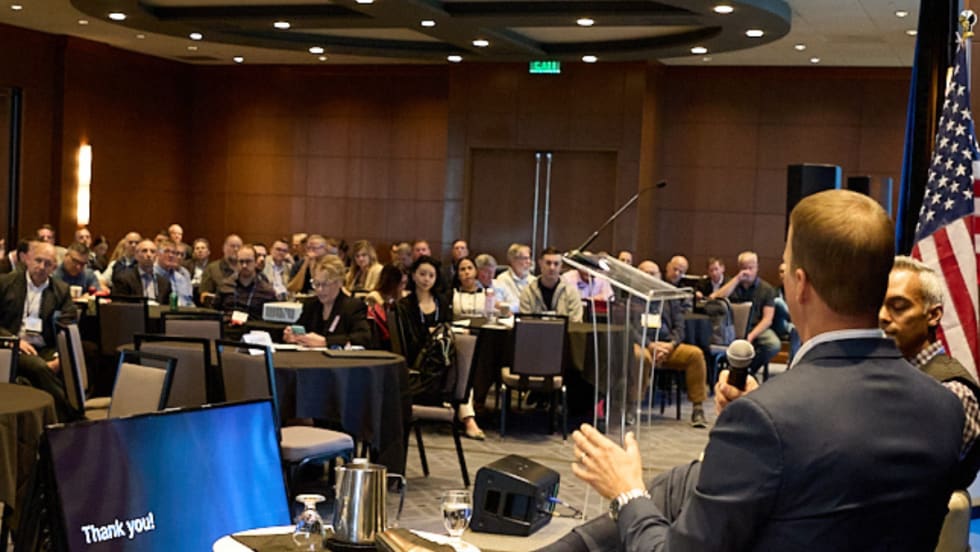
NETS Sets 2026 Fleet Safety Benchmark Conference for Indianapolis
The Sept. 15–17 program will feature fleet benchmarking data, case studies, emerging technologies, and implementation strategies while running alongside the NSC Safety Congress & Expo.
Read More →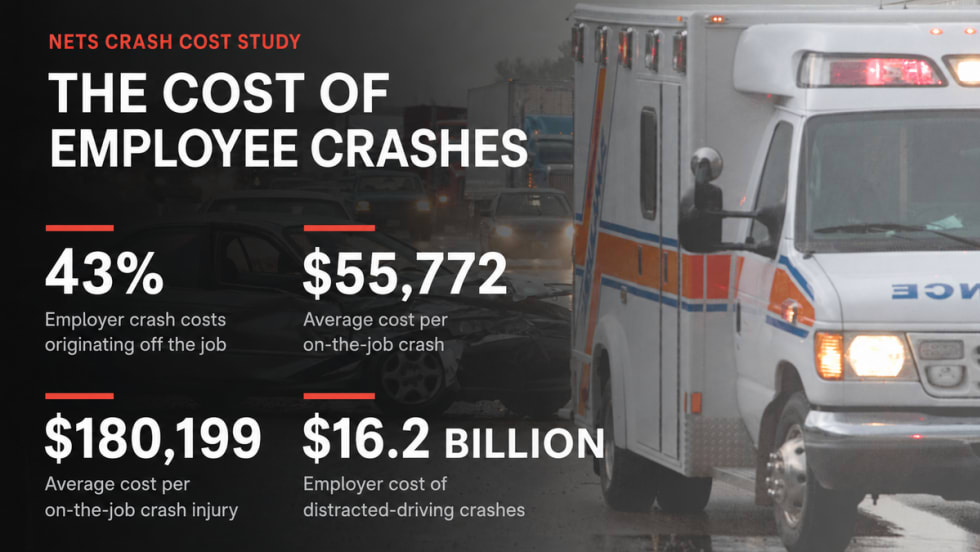
Off-the-Job Crashes Account for 43% of Employers’ $61.7 Billion Crash Burden
NETS quantifies costs dispersed across fleet, risk, HR, and other departments while providing new per-crash benchmarks for employers.
Read More →
Ram Recalls More Than 1.27 Million 1500 Pickups for Seat Belt Anchor Issue
The recall affects certain 2019-2026 Ram 1500 pickups that may have improperly attached second-row seat belt buckle anchors.
Read More →
How Better Visibility Cut Speeding Violations by 48%
Fleet leaders don't need more data, they need clearer visibility into what the data is saying. This case study explores how one utility replaced speeding-event counts with a single metric — miles driven in violation — to strengthen safety and significantly reduce speeding violations.
Read More →
Operation Safe Driver Week: Why the Industry's Oldest Safety Campaign Still Matters to Fleets
A look at how a 2007 enforcement initiative became one of the most consequential weeks on the fleet safety calendar, and what it means for your drivers in 2026.
Read More →