




Toyota Delivers First ZEV-Certified Hydrogen Fuel-Cell Vehicles
On Dec. 2, 2002, Toyota Motor Sales (TMS), U.S.A., Inc., delivered the first two hydrogen fuel-cell vehicles to the University of California, Irvine (UCI) and the University of California, Davis (UCD) at a press conference on the UCI campus.

On Dec. 2, 2002, Toyota Motor Sales (TMS), U.S.A., Inc., delivered the first two hydrogen fuel-cell vehicles to the University of California, Irvine (UCI) and the University of California, Davis (UCD) at a press conference on the UCI campus. The official delivery is the first step in a plan to establish California fuel-cell “community” partnerships of government, business, and higher education to tackle product, infrastructure, and consumer-acceptance challenges.
Both universities are at the forefront of fuel-cell vehicle research, development, and implementation. Toyota’s fuel-cell development program began in 1992, and for the last five years, it has provided more than $2 million in research grants to the University of California for research in advanced transportation systems including fuel cell vehicles. Not only will that research grant more than double over the next 3½ years, but the UCD Institute of Transportation Studies (ITS) and the UCI National Fuel Cell Research Center (NFCRC) will also have a fleet of fuel-cell vehicles with which to address the key challenges that must be met before zero-emission fuel-cell vehicles can be brought to market in volume.
Toyota’s plan to establish fully functional, fuel-cell-friendly model-communities in Northern (UCD) and Southern (UCI) California is predicated on developing and expanding a hydrogen-refueling infrastructure. Working with the California Air Resources Board (CARB) and South Coast Air Quality Management Board (SCAQMD), as well as corporations such as Stuart Energy and Air Products, the model-communities in the north and the south will have a network of six refueling stations within the first six months.
The Toyota FCHV-4 and FCHV are based on the Toyota Highlander mid-size sport/utility vehicle. Its fuel-cell stack is solely developed and built by Toyota. The Toyota FCHV system features four 5,000-psi hydrogen fuel tanks. Hydrogen feeds into the fuel-cell stack where it is combined with oxygen to generate a peak of 90 kW of electricity. The electricity from the fuel-cell is used to power the 109-hp (194 lbs.-ft of torque) electric motor and to charge the vehicle’s nickel-metal hydride batteries which also feed power to the electric motor. Water vapor is emitted through the vehicle’s tailpipe.
By applying technologies from the Toyota Prius gas-electric hybrid vehicle, the Toyota FCHV fuel-cell-electric system precisely regulates power flow from the fuel-cell stack and battery to achieve high efficiency and excellent acceleration. The FCHV has a top speed of 96 mph. It has a lighter body shell than the Highlander, thanks to the use of aluminum in the roof, fenders, and other components. Not only has the Toyota FCHV been certified by CARB as a zero-emissions vehicle (ZEV), its environment-friendly air conditioning system uses CO2 rather than CFC as a coolant.
More Operations

The Top 300 Commercial Fleets
The Top 300 Commercial Fleets: See the List
Read More →

Your Local Dealer Knows More Than You Think
Your local dealer can provide an information advantage that extends well beyond courtesy deliveries.
Read More →


Fleet Meets: Austin Schutte
Here are some industry insights, personal touches, and words of advice from the CEO and Founder of Anew Solutions.
Read More →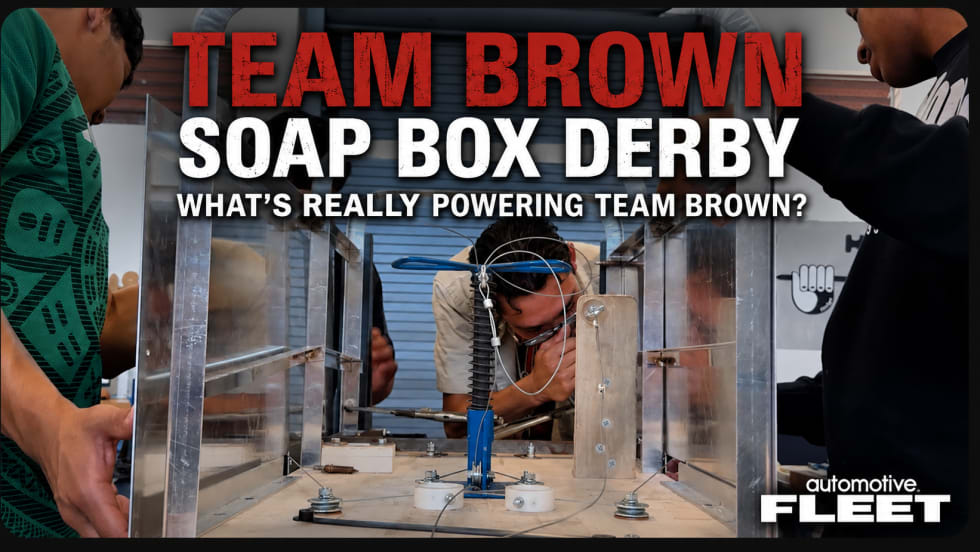
Soap Box Derby Challenge: What’s Powering Team Brown
The car is coming together, the students are solving real build problems, and the fleet industry is helping push Team Brown toward the starting line.
Read More →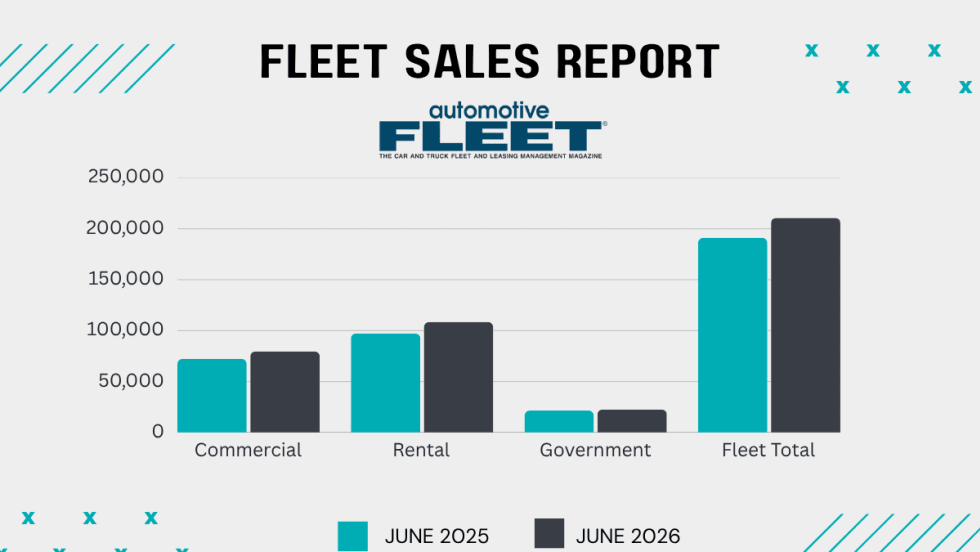
Commercial Fleet Sales Contribute To June, YTD Gains
The fleet sector has boosted its vehicle purchases at a reliable pace in the first half of this year compared with 1H 2025.
Read More →
What Fleet Managers Really Want From Vendors
From customer service frustrations and technology breakdowns to RFQs, change management, and the growing impact of turnover across the industry, this conversation pulls back the curtain on the real operational challenges fleet managers are navigating every day.
Read More →
Fleet Safety Masterclass: Industry Leaders on Storytelling, Strategy & Innovation
In this special masterclass episode, industry leaders break down what it really takes to build safer fleets in today’s increasingly distracted and data-driven world.
Read More →
Integrating Legacy Fleet Systems and Historical Data
In this episode, we bring together fleet and technology leaders to unpack the realities of data integration, system migrations, and the evolving role of AI in fleet management.
Read More →
From Resistance to Results: Change Management Strategies for Fleets
From new technologies and safety programs to evolving regulations, fleets are under constant pressure to adapt. But as Dr. Betz explains, success isn’t about the system you implement—it’s about whether your people actually use it.
Read More →