




The Role of Telematics in the Switch to Electric Vans
Telematics can help solve such fleet management issues as determining location and length of individual EV charging and calculating actual amounts to reimburse drivers for the cost of EV charging.

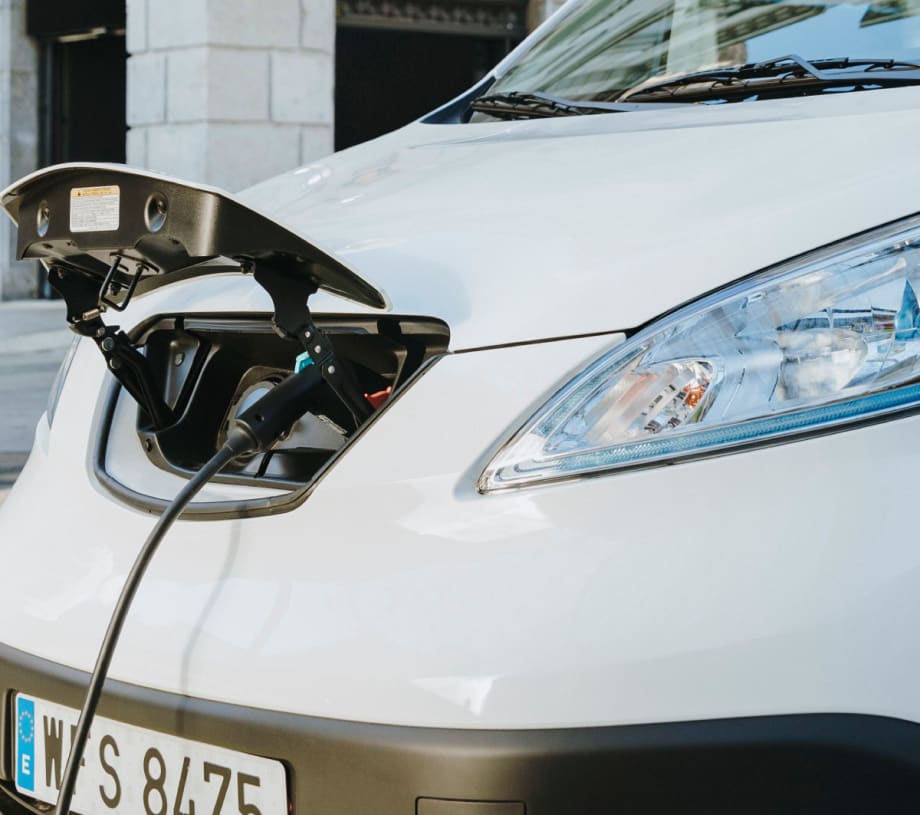
Many electric van operators use telematics to confirm employees are using rapid chargers to only 80% charge and not lingering to trickle charge to 100%.
Photo: Webfleet
Technology, and in particular telematics, is becoming a key essential in fleet management of electric vans (eLCVs) along with jobs that need drivers in company-provided fleet cars.
The Association of Fleet Professionals (AFP) believes it provides the answers for two critical issues:
First, determining charging location and charging length for individual electric vehicles (EVs).
Second, calculating actual amounts to reimburse drivers for the cost of EV charging.
The AFP says it can draw on a large knowledge bank of experience; some of its members operate major fleets that incoporate more than 1,000 EVs.
Stewart Lightbody, vice chair of the AFP, said:
“Telematics is a key element in ensuring that the best option is employed at the best time in terms of convenience and range with the aim of minimizing charging downtime. For example, many electric van operators are timing charging to coincide with driver breaks, using telematics to confirm that employees are using rapid chargers to only 80% charge and not lingering to trickle charge to 100%. This is seen as the most productive balance of work availability against charging time.”

Photo: AFP
Lightbody said other fleets were using telematics to dissuade drivers from using fast but expensive motorway chargers when cheaper charging was available at home. Or where drivers were operating in remote locations with limited charging facilities, planning work around the available chargers and making EVs practical in conditions that otherwise would be deemed too difficult.
“In all of these instances, the use of telematics makes planning and monitoring much easier, showing the location and type of chargers in relation to the vehicle route and allowing charging strategies to be implemented effectively,” he added.
Bridgestone’s fleet management system Webfleet, supports the AFP view that telematics is essential for the utilization of eLCVs, helping establish an overall picture on usage and benefits to fleet managers.
The business says that European fleets using EVs have cut their carbon emissions by more than 15 tonnes of CO2 per vehicle, per year. This saving equates to a fuel saving of 5,665 liters.
Beverley Wise, Webfleet regional director for Bridgestone Mobility Solutions, commented:
“Fleet businesses have been leading the charge in the transition from ICE to EV vehicles, and our data reinforces the impact they can have in helping to deliver a more sustainable future.
“Although electrification is gathering pace, it remains, however, a significant change management undertaking. Dedicated fleet management solutions can play an important role in supporting fleets as they target net zero.”
The Webfleet analysis was published in a report entitled Electrifying Data, based on H1 2022 data of U.K. fleet running data.
The AFP’s Stewart added that there was also an important role for telematics in tracking vehicle mileage for fleets that used an actual cost method for charging reimbursement.
“While the 8p Approved Electric Rate introduced last year was much more acceptable for many employers, there remain a relatively large number who recognize that this is not going to meet the costs that some drivers are racking up driving an EV, especially in vans and larger cars. Telematics means that actual costs can be calculated with greater ease, making this kind of reimbursement a more practical proposition.”
More Global Fleet

GeoFencing Adds to Your Truck Security Arsenal
Geofencing is a familiar fleet tool today, but its early adoption marked a major shift in vehicle tracking, route monitoring, and the debate over employee privacy.
Read More →
Holman Takes Full Ownership of ARIZA in Mexico
Holman is bringing its Mexican fleet management operation fully under its own brand after more than 30 years as a joint venture. The change gives multinational fleet customers a single Holman operation across the U.S., Canada, and Mexico.
Read More →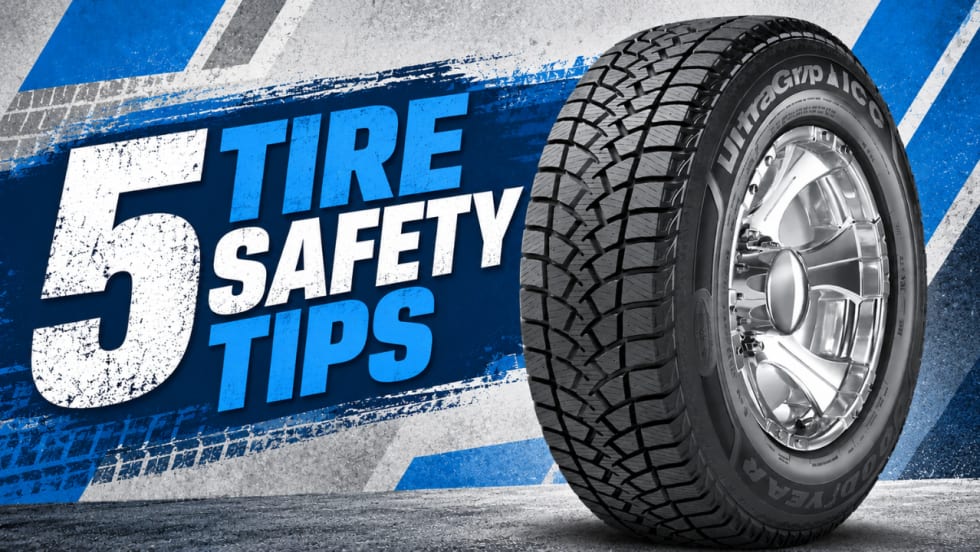
5 Tire Maintenance Tips to Help Prevent Work Truck Downtime
Regular tire checks can do more than extend tread life. These five maintenance practices can help work truck fleets catch problems early, reduce costs, and prevent downtime.
Read More →

Proven Ways to Reduce Work Truck Downtime
The age-old problem of downtime will always be a reality, but with new strategies at hand, fleets have more ways to keep trucks on the road longer.
Read More →


Cameras, Safety and Insurance: From Reactive Claims to Real-Time Prevention (Part 2 of 2)
Part Two: Commercial auto remains one of the most challenging and costly lines of coverage for fleet operators and insurers alike. Continue learning more about how to effectively address these issues from Onur Aksan, Enterprise Business Development Executive, Geotab
Read More →
Cameras, Safety and Insurance: From Reactive Claims to Real-time Prevention
Commercial auto remains one of the most challenging and costly lines of coverage for fleet operators and insurers alike. Learn more about how to effectively address these issues from Onur Aksan, Enterprise Business Development Executive, Geotab.
Read More →
Fleet Costs Are Rising: Here’s How Leaders Are Responding
Fleet leaders are under pressure to reduce costs, adapt to economic uncertainty, and make smarter decisions. See how peers across North America are responding with real data, proven strategies, and forward-looking insights. Download the 2026 Market Pulse Report to benchmark your strategy and uncover where you can gain an edge.
Read More →
Enterprise Fleet Management Surpasses 900,000 Vehicles in U.S. & Canada
Enterprise Mobility connects with mobility solutions around the globe
Read More →