




Study Underscores Merits of Automatic Braking Tech
European and Australian researchers conclude that vehicles equipped with such technology were involved in 38 percent fewer rear-end crashes, compared to vehicles without the technology.

Image courtesy of European New Car Assessment Program.

Image courtesy of European New Car Assessment Program.
In Australia and Europe, vehicles equipped with an automatic emergency braking system were involved in 38 percent fewer rear-end crashes compared to a sample of comparable vehicles without the technology, researchers concluded.
The Australian New Car Assessment Program (ANCAP) and European New Car Assessment Program analyzed available crash data for passenger vehicles equipped with automatic braking systems designed to operate at speeds up to 19 mph.
Analysts relied on police-reported crash data, from 2009 and later, from Australia and five European countries. They zeroed in on two-vehicle, front-to-rear injury crashes in which one of the vehicles was equipped with autonomous emergency braking. In the study, most of the vehicles equipped with this technology were 2008-2012 Volvos with City Safety. Others included Volkswagen and Mazda models.
There was no statistical difference found between urban and rural speed zones. Researchers recommend widespread adoption of low-speed autonomous emergency braking technology for maximum benefit.
Euro NCAP is pointing to the research findings to defend its decision to include automatic braking/forward collision avoidance technology as a factor in its safety ratings program.
To access the study, click here.
More Global Fleet

Holman Takes Full Ownership of ARIZA in Mexico
Holman is bringing its Mexican fleet management operation fully under its own brand after more than 30 years as a joint venture. The change gives multinational fleet customers a single Holman operation across the U.S., Canada, and Mexico.
Read More →
Proven Ways to Reduce Work Truck Downtime
The age-old problem of downtime will always be a reality, but with new strategies at hand, fleets have more ways to keep trucks on the road longer.
Read More →
The Top 300 Commercial Fleets
The Top 300 Commercial Fleets: See the List
Read More →

Cameras, Safety and Insurance: From Reactive Claims to Real-Time Prevention (Part 2 of 2)
Part Two: Commercial auto remains one of the most challenging and costly lines of coverage for fleet operators and insurers alike. Continue learning more about how to effectively address these issues from Onur Aksan, Enterprise Business Development Executive, Geotab
Read More →
Cameras, Safety and Insurance: From Reactive Claims to Real-time Prevention
Commercial auto remains one of the most challenging and costly lines of coverage for fleet operators and insurers alike. Learn more about how to effectively address these issues from Onur Aksan, Enterprise Business Development Executive, Geotab.
Read More →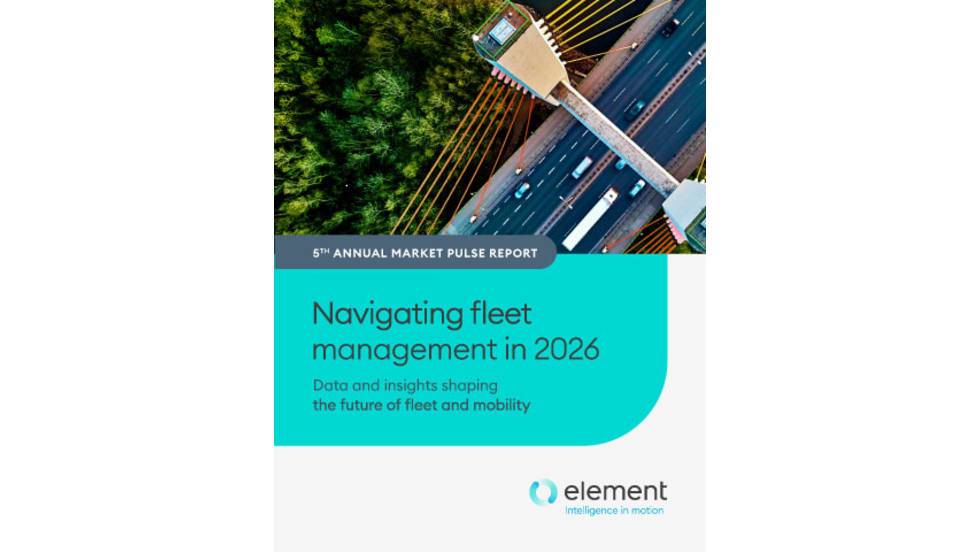
Fleet Costs Are Rising: Here’s How Leaders Are Responding
Fleet leaders are under pressure to reduce costs, adapt to economic uncertainty, and make smarter decisions. See how peers across North America are responding with real data, proven strategies, and forward-looking insights. Download the 2026 Market Pulse Report to benchmark your strategy and uncover where you can gain an edge.
Read More →
Enterprise Fleet Management Surpasses 900,000 Vehicles in U.S. & Canada
Enterprise Mobility connects with mobility solutions around the globe
Read More →
Automotive Fleet's Guide to Fleet Electrification
Unlock the secrets to a successful transition to electric fleets with Automotive Fleet's comprehensive Fleet Electrification Guide!
Read More →
Sumitomo Rubber Industries to Acquire Viaduct
Viaduct will join Sumitomo as an independent subsidiary. Partnership strengthens global reach and accelerates AI-driven innovation for fleets and manufacturing.
Read More →