





Learn More: SoCalGas, SDG&E Partner on Hydrogen Blending Program
SoCalGas to Test Tech That Could Transform Hydrogen Distribution
A new device separates hydrogen from natural gas when the two gases are blended in pipelines.
December 16, 2020
3 min to read
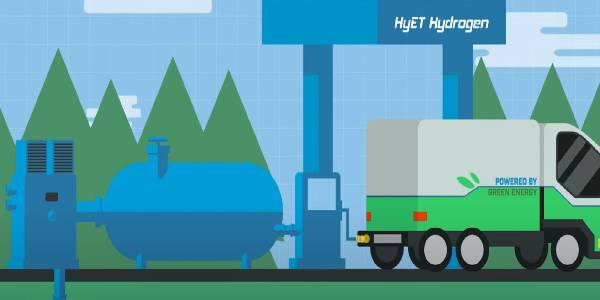
With clean hydrogen gaining recognition worldwide as the carbon-free fuel capable of making a significant contribution to addressing climate change, Southern California Gas Co. (SoCalGas) announced Dec. 16 it will field test a new technology that can simultaneously separate and compress hydrogen from a blend of hydrogen and natural gas. At scale, the technology would allow hydrogen to be easily and affordably transported via the natural gas pipeline system, then extracted and compressed at fueling stations that provide hydrogen for fuel cell electric vehicles (FCEVs). Created by Netherlands-based HyET Hydrogen, the technology is designed to provide pure highly-compressed hydrogen wherever a natural gas distribution system exists.
SoCalGas also recently announced a program to study blending hydrogen into its natural gas pipelines. If approved by regulators, the program would be the first step toward establishing a statewide standard for injecting hydrogen into the natural gas grid.
“This innovative technology could be a game-changer, allowing hydrogen to be distributed to wherever it is needed using the natural gas grid,” said Neil Navin, vice president of clean energy innovations at SoCalGas. “As demand increases for zero-emissions vehicles such as fuel cell electric cars, California will need thousands more hydrogen fueling stations—and this technology may help make that possible.”
"We are excited to deploy our newest technology in collaboration with SoCalGas,” said Alexis Dubois, director of HyET Hydrogen USA. “Our gas separation system is designed to allow hydrogen to be transported across long distances affordably using existing natural gas pipelines. With this technology, hydrogen can become a commonly used fuel for transportation, industrial applications and more.”
"Hydrogen will be an important part of our clean energy future, and exciting new technologies like this will pave the way for zero emissions transportation in California,” said Sen. Bob Archuleta (D-Pico Rivera). “I am fighting for investments in both hydrogen infrastructure and clean transportation programs in the state Legislature and will continue to do so. I am excited that the testing of this cutting edge innovation will take place in the 32nd Senate District, and I look forward to continuing to work with SoCalGas as we pursue our clean energy goals."
“This is innovative technology,” said Bill Elrick, executive director of the California Fuel Cell Partnership. “It may provide a unique and strategic way to distribute large volumes of hydrogen fuel, helping decarbonize the transportation sector.”
The new technology, called Electrochemical Hydrogen Purification and Compression (EHPC), works by applying an electrical current across a hydrogen-selective membrane to allow only hydrogen to permeate it while blocking the natural gas components. Continuously applying the electrical current builds up and pressurizes the hydrogen.
To test the technology, SoCalGas will blend hydrogen, in concentrations from 3 to 15%, with methane, the primary component of natural gas. That blend of gases will then be injected through a simulated natural gas pipeline testing system into the EHPC system to continuously extract and compress the hydrogen at a rate of 10 kg per day. SoCalGas’ testing will provide performance data that will enable fine-tuning and optimization of the EHPC system to accelerate scaling up the technology. Within the next two years, the EHPC technology is expected to be scaled to produce 100 kg of hydrogen a day or more from a single EHPC system, enough to fill 20 fuel cell electric vehicles.
The project is scheduled to begin in March at SoCalGas’ Engineering Analysis Center in Pico Rivera, Calif., and slated to be complete by the third quarter of 2021.
Originally posted on Work Truck Online
More Fleet Forward

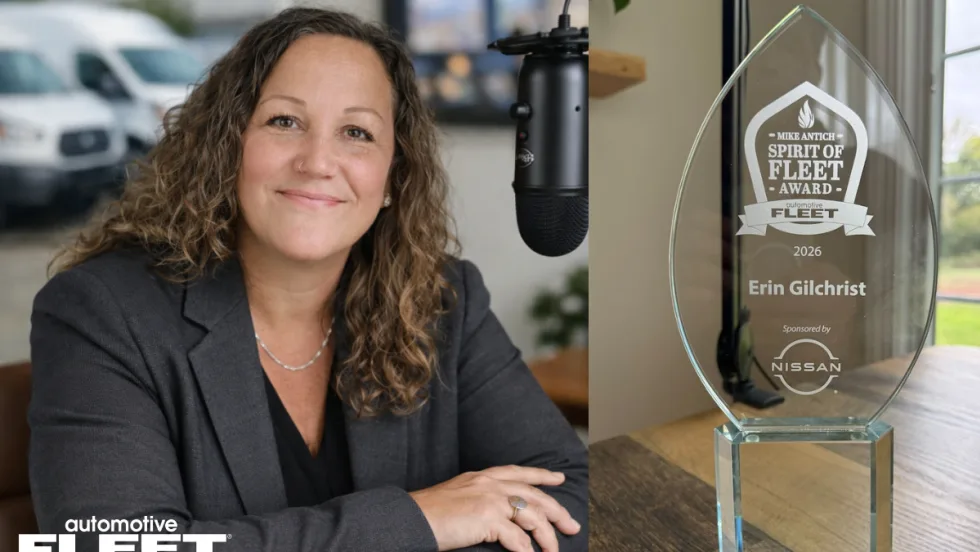
Erin Gilchrist Receives Mike Antich Spirit of Fleet Award
Last week at AFLA in Vegas, Erin Gilchrist received the inaugural, brand-new Spirit of Fleet Award.
Read More →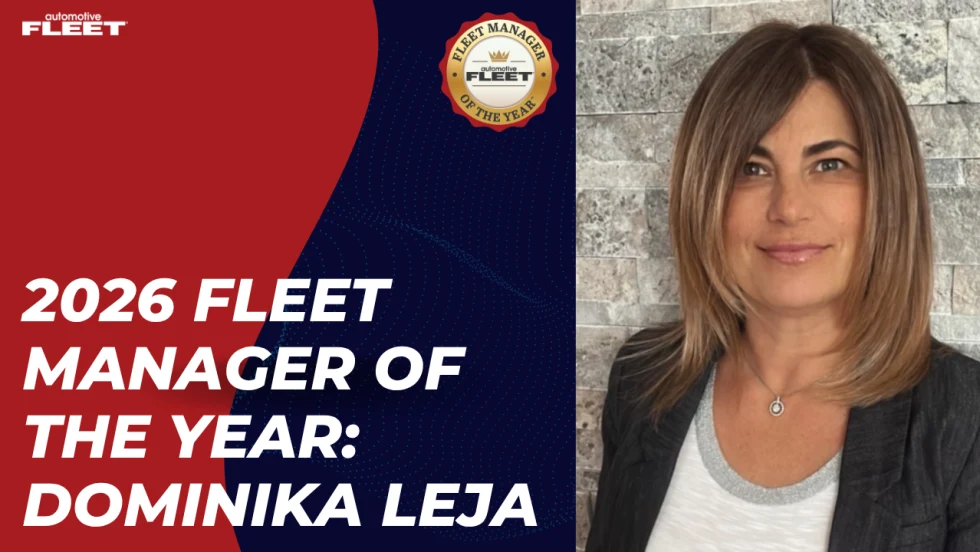
Dominika Leja Named the 2026 Fleet Manager of the Year
The AstraZeneca associate director of fleet was recognized for her leadership in fleet electrification, cost savings, and operational transformation.
Read More →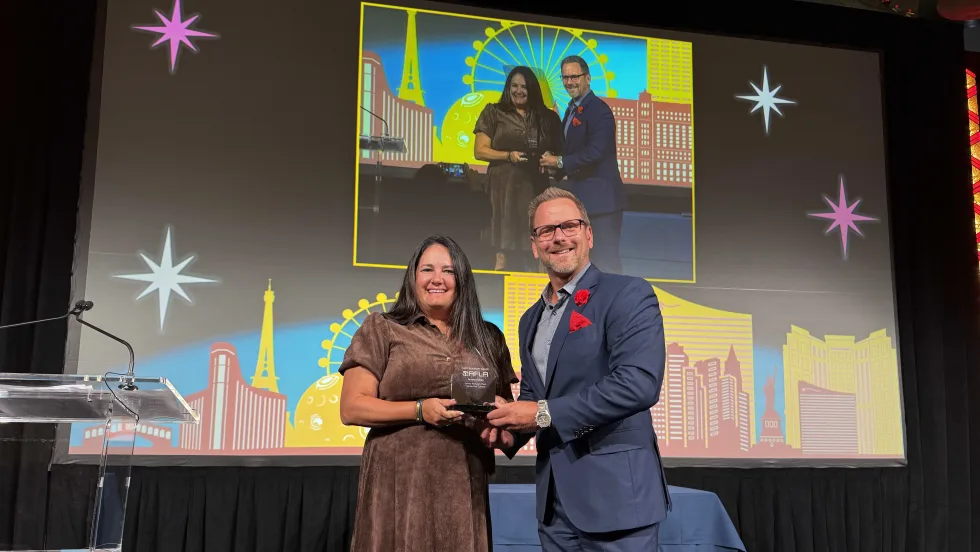
Jamie McKay Named the 2026 Fleet Visionary Award Winner
The Aptive Pest Control fleet manager was recognized for her approach to operations, data, lifecycle management, and driver needs.
Read More →
Fleet Forward Conference Introduces One-Day Passes for 2026
New one-day registration gives fleet professionals the flexibility to attend Tuesday, Wednesday, or Thursday, with passes available for $199 through Sept. 18.
Read More →
Vibe Coding: When Fleet Managers Become Software Builders
Five fleet professionals — none with programming skills — discuss how they’re using AI to build fleet solutions in-house and in a fraction of the time.
Read More →
Fleet Forward Conference Tackles Fleet Industry’s Growing Leadership Gap
This session will examine succession planning, knowledge transfer, and the skills the next generation of fleet leaders will need as veteran professionals leave the industry.
Read More →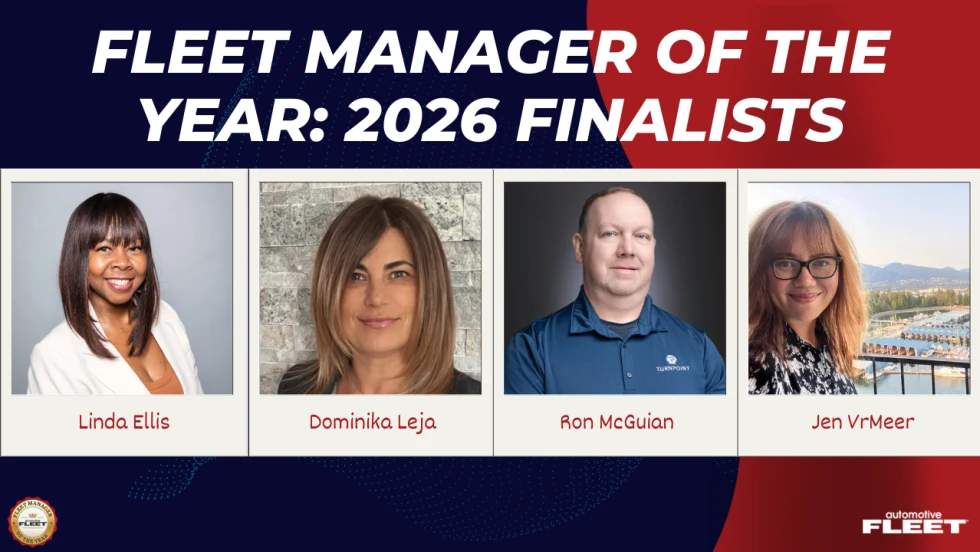
2026 Fleet Manager of the Year Finalists Announced
Who are the 2026 Fleet Manager of the Year finalists?
Read More →
John Rossant to Deliver Opening Keynote at 2026 Fleet Forward Conference
The CoMotion founder will draw on developments across Europe, China, the Middle East, and other international markets to identify trends that could influence how U.S. fleets plan for the coming decade.
Read More →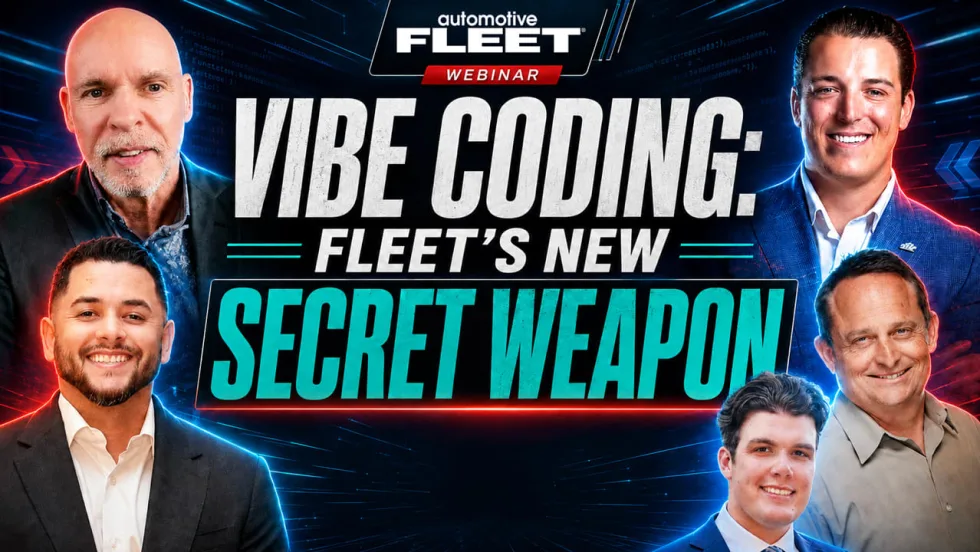
How to Build Custom Fleet Tools With AI and Vibe Coding [Webinar]
A new Automotive Fleet webinar explores how fleet managers are using AI and vibe coding to automate routine work and create simple operational tools without traditional programming skills.
Read More →