




Shift Workers Three Times More Susceptible to Crashing
Lack of sleep results in slower reaction time, poor coordination, and less ability to pay attention.

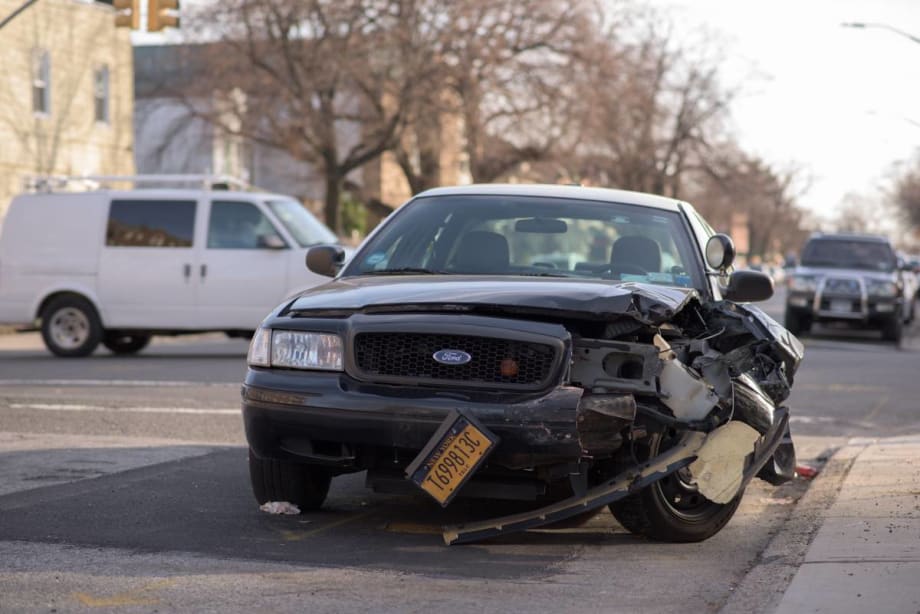
Drowsy-driving crashes are particularly high for shift workers due to disruption of their natural sleep patterns.
Photo: unsplash / Michael Jin
Shift work sleep disorder (SWSD) increases the likelihood of having a collision by a staggering 300% as compared to insomnia and sleep apnea which both up the odds by about 30%, according to new research from the University of Missouri.
A chronic medical condition, many people who work non-traditional hours like 11 pm to 7 am suffer from shift SWSD. The latest findings indicate that these people — including fleet drivers who work the graveyard shift — are exceptionally vulnerable to drowsy driving.
Drowsy-driving crashes are particularly high for shift workers due to disruption of their natural sleep pattern, according to the study. While driving, lack of sleep results in slower reaction time, poor coordination, and less ability to pay attention.
What’s more, older drivers with SWSD are at an even greater risk. The study showed that those over age 65 with SWSD are 5.89 times more likely to be involved in a crash or near-crash. In comparison, drivers between ages of 25 and 44 with SWSD were 2.42 times more likely to be involved in a crash or near-crash.
The study also found that individuals with any sleep disorder are 29% more likely to be inattentive while behind the wheel as compared to drivers without a sleep disorder.
The authors say the study results point to a real need for counter measures aimed at preventing these crashes. For example, solutions might include the availability of more highway rest areas as well as roadside and in-vehicle messaging to improve a driver’s attention and focus.
The methodology of this study sets it apart because the research team evaluated real-world data. Most previous studies on drowsy driving were conducted in a controlled environment, like a laboratory driving simulator.
Conversely, this latest analysis was based on actual observed crash and near-crash data from an estimated 2,000 events across six states.
The authors say the real-world crash data validates the efforts of previous studies while also accounting for confounding variables such as roadway and traffic characteristics.
Nearly 700 people lost their lives in drowsy driving crashes in 2019 alone, according to the National Traffic Highway Safety Administration.
More Safety

What’s Next for Fleet? Safety, AI & Industry Recognition | AF News Recap
Could your company's culture be encouraging distracted driving? This week, we're exploring how workplace expectations affect driver safety, what AI, EVs, and autonomous vehicles could mean for the future of fleet management, and how fleet professionals can strengthen their award nominations.
Read More →
Does Your Fleet's Culture Encourage Distracted Driving?
What happens when the people responsible for enforcing safety rules are the ones setting the wrong example? The answer may reveal why some of the biggest risks to fleet drivers have little to do with what's written in the employee handbook.
Read More →
Fleet Manager’s Ultimate Playbook: Navigating the New Standard in OEM Connectivity
Rising operating costs, driver safety concerns, and unplanned downtime are putting unprecedented pressure on modern fleets. Discover how fleet managers use embedded OEM connectivity and real-time vehicle data to cut TCO, prevent downtime, and protect drivers without aftermarket telematics hardware.
Read More →
From Driver Well-Being to EV Charging | AF News Recap
Mental health belongs in the fleet safety conversation. This week, we’re looking at five ways fleets can support employee well-being before a crisis, plus Holman’s expansion in Mexico, new one-day Fleet Forward passes, and why EV charging demand is outpacing infrastructure growth.
Read More →
Nexar-Nauto Merger Aims to Give Fleets Better Safety Intelligence Through Larger Driving Dataset
Stefan Heck tells Automotive Fleet that combining more than 10 billion miles of driving history with Nexar's AI models will give fleets deeper insights into driver risk and roadway conditions than either company could provide independently.
Read More →
Don't Wait for a Crisis: 5 Ways to Build Mental Health Into Your Fleet Safety Program
For Suicide Prevention Month, fleet and safety leaders have an opportunity to put mental health where it belongs: at the center of workplace safety.
Read More →
How Camera Data Can Strengthen a Fleet’s Insurance Renewal
Insights from a commercial insurance carrier and a broker show how fleets can turn video telematic data, driver coaching, and improved claims results into a stronger case at insurance renewal.
Read More →
The Safest Fleets Aren’t the Ones with the Most Technology
You’ve made the telematics investment. Here’s how to capture the other half of its value and build the safest fleet on the road.
Read More →
Hidden in Plain Sight: Fleet Compliance Risks
Fleet compliance isn't just about having policies — it's about consistently enforcing them. This practical guide reveals six hidden compliance risks common in public sector and shared fleet operations and outlines proven strategies to improve visibility, accountability, and audit readiness
Read More →
NETS Sets 2026 Fleet Safety Benchmark Conference for Indianapolis
The Sept. 15–17 program will feature fleet benchmarking data, case studies, emerging technologies, and implementation strategies while running alongside the NSC Safety Congress & Expo.
Read More →