




Senate Passes Comprehensive Energy Package
U.S. Senate on April 25, 2002 passed legislation that would update U.S. energy policy by promoting alternative fuels and energy conservation, according to Reuters. The Senate bill also calls for tripling the amount of ethanol-blended gasoline sold over the next decade and provides $14 billion energy tax credits and incentives.

U.S. Senate on April 25, 2002 passed legislation that would update U.S. energy policy by promoting alternative fuels and energy conservation, according to Reuters. The Senate bill also calls for tripling the amount of ethanol-blended gasoline sold over the next decade and provides $14 billion energy tax credits and incentives. It would require utilities to increase the amount of electricity generated by renewable energy sources like wind and solar from the current 2 percent to 10 percent by 2020. According to a news release from the Natural Gas Vehicle Coalition, the alternative-fuel vehicle-related provisions incuded in the Energy Policy Act of 2002 are modeled on the CLEAR Act. They include: 1. A tax credit equal to 40 percent of the incremental cost for the purchase or lease of a dedicated AFV. An additional credit equal to 30 percent (for a total of 70 percent) of the incremental cost if the alternative-fuel vehicle meets the most stringent emissions standards. 2. A tax credit per gasoline equivalent to the retail seller of natural gas, hydrogen, methanol, or propane for transportation purposes. 3. An extension of the current tax deduction ($100,000) for the capital cost of an alternative-fuel fueling station, and a new credit of up to $30,000 for the cost of installing alternative fuel sites. The bill also includes several other provisions promoting alternatives to petroleum, including a number of incentives for electric, hybrid, and fuel cell vehicles. Hailed by the National Corn Growers Association (NCGA) as “an unprecedented, historic move,” the energy package includes a renewable fuel standard (RFS). “This is the first time ever that national energy policy would require the use of renewable transportation fuel,” NCGA President Tim Hume said. Provisions of the legislation require refiners to use 2.3 billion gallons of renewable fuels, like ethanol, in 2004 and increase that to 5 billion gallons by 2012. Key elements of the legislation include: the RFS; eliminating the re-formulated gasoline (RFG) oxygen requirement; banning MTBE in four years; creating a renewable credit trading system; and protecting the environmental performance of RFG. The Energy Policy Act of 2002 will now proceed to a joint conference committee where members of the Senate and the U.S. House of Representatives will work out the differences between the Senate bill and the previously passed House bill (the SAFE Act).
More Operations

It's All Downhill from Here! Fleet Industry Raises $22,000 for Skilled Trades Scholarships
Work Truck’s Lauren Fletcher and Automotive Fleet’s Chris Brown turned a friendly racing rivalry into $22,000 for automotive technology and skilled trades scholarships.
Read More →
The Top 300 Commercial Fleets
The Top 300 Commercial Fleets: See the List
Read More →



Your Local Dealer Knows More Than You Think
Your local dealer can provide an information advantage that extends well beyond courtesy deliveries.
Read More →
Fleet Meets: Austin Schutte
Here are some industry insights, personal touches, and words of advice from the CEO and Founder of Anew Solutions.
Read More →
Soap Box Derby Challenge: What’s Powering Team Brown
The car is coming together, the students are solving real build problems, and the fleet industry is helping push Team Brown toward the starting line.
Read More →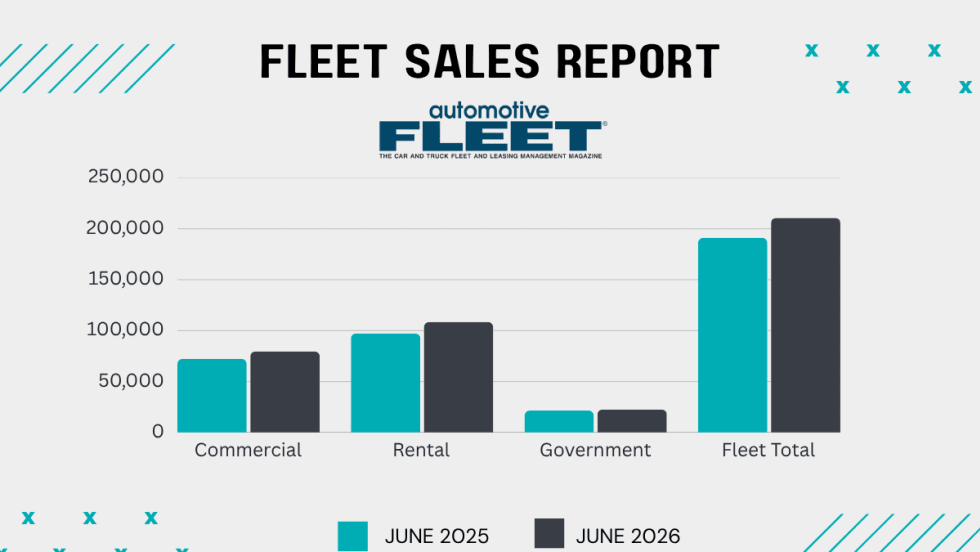
Commercial Fleet Sales Contribute To June, YTD Gains
The fleet sector has boosted its vehicle purchases at a reliable pace in the first half of this year compared with 1H 2025.
Read More →
What Fleet Managers Really Want From Vendors
From customer service frustrations and technology breakdowns to RFQs, change management, and the growing impact of turnover across the industry, this conversation pulls back the curtain on the real operational challenges fleet managers are navigating every day.
Read More →
Fleet Safety Masterclass: Industry Leaders on Storytelling, Strategy & Innovation
In this special masterclass episode, industry leaders break down what it really takes to build safer fleets in today’s increasingly distracted and data-driven world.
Read More →
Integrating Legacy Fleet Systems and Historical Data
In this episode, we bring together fleet and technology leaders to unpack the realities of data integration, system migrations, and the evolving role of AI in fleet management.
Read More →