




Safety Advocates Slam NHTSA for Pushing “Robot Car Technology”
The National Highway Traffic Administration should stop pushing the adoption of “robot car technology” until more testing is done and enforceable safety standards are promulgated, according to a July 28 letter sent by three advocacy groups to NHTSA Administrator Mark Rosekind.

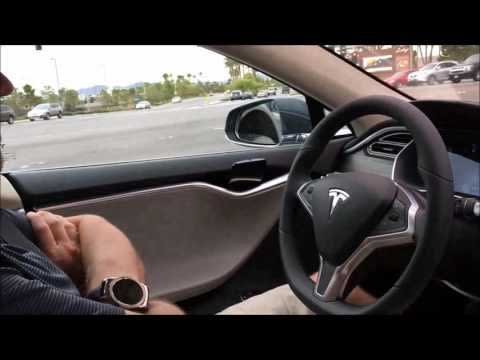
Still from YouTube video of Tesla S owner using autopilot mode
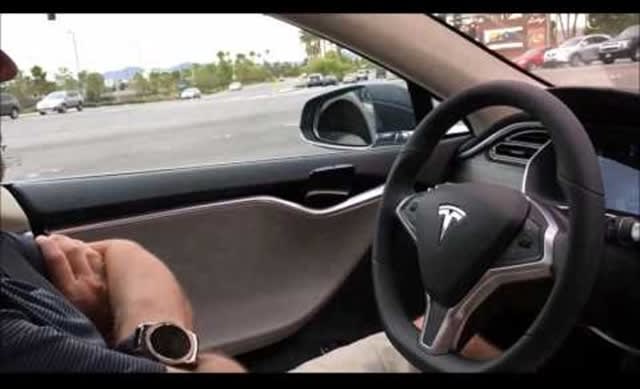
Still from YouTube video of Tesla S owner using autopilot mode
The National Highway Traffic Administration should stop pushing the adoption of “robot car technology” until more testing is done and enforceable safety standards are promulgated, according to a July 28 letter sent by three advocacy groups to NHTSA Administrator Mark Rosekind.
The groups said the letter was sent in response to Rosekind's “recent assertion” that NHTSA cannot "stand idly by while we wait for the perfect" before autonomous-driving systems are deployed in the U.S.
“The question is not whether autonomous technology must be perfect before it hits the road, but whether safety regulators should allow demonstrably dangerous technology, with no minimum safety performance standards in place, to be deployed on American highways,” wrote the signatories, Joan Claybrook, former NHTSA Administrator and president emeritus of Public Citizen; Clarence Ditlow, executive director of the Center for Auto Safety; Carmen Balber, executive director of Consumer Watchdog, and John M. Simpson, Consumer Watchdog's Privacy Project director.
“Instead of seeking a recall of Tesla’s flawed [Autopilot] technology, you inexcusably are rushing full speed ahead” to promote the deployment of self-driving technology instead of developing safety standards "crucial to ensuring imperfect technologies do not kill people by being introduced into vehicles before the technology matures," the writers argued.
The advocates also stated that they were "dumbfounded that the fatal crash of a Tesla Model S in Florida that killed a former Navy SEAL did not give you pause, cause NHTSA to raise a warning flag, bring you to ask Tesla to adjust its software to require drivers' hands on the wheel while in autopilot mode, or even to rename its 'autopilot' to 'pilot assist' until the crash investigation is complete. "Instead, you doubled down on a plan to rush robot cars to the road.”
The writers contended that “technology with such an obvious flaw should never have been deployed, and should not remain on the road.”
The letter also charged Rosekind and his colleagues with becoming “giddy advocates of self-driving cars, instead of sober safety regulators tasked with ensuring that new systems don't kill people. Instead of seeking a recall of Tesla's flawed technology, you inexcusably are rushing full speed ahead."
The advocates also stated that it is their position that “adequate safety standards developed in the full light of day are crucial to ensuring imperfect technologies do not kill people by being introduced into vehicles before the technology matures.”
On the other hand, the groups conceded that autonomous technology “can save lives someday.”
Yet they stressed that self-driving technologies “should only be implemented” after thorough testing and a rulemaking to set enforceable safety standards.
"That is why we petitioned NHTSA for a rulemaking to set standards for automatic emergency braking, rather than rely on a meager auto industry-friendly voluntary agreement worked out behind closed doors that cannot be enforced," the advocates wrote. "If mandatory standards had been in place for automatic emergency brakes before the Florida crash, it might have been prevented."
Related: White Trailer Proved Invisible to Tesla's Autonomous System
More Safety
IIHS Crash Avoidance Tests Reveal Safety Gaps in Cargo Vans and Work Trucks
New crash-avoidance ratings from the Insurance Institute for Highway Safety reveal inconsistent performance among commercial vehicles, with several popular cargo vans and heavy-duty pickups struggling to avoid collisions with other vehicles and pedestrians.
Read More →
What’s Next for Fleet? Safety, AI & Industry Recognition | AF News Recap
Could your company's culture be encouraging distracted driving? This week, we're exploring how workplace expectations affect driver safety, what AI, EVs, and autonomous vehicles could mean for the future of fleet management, and how fleet professionals can strengthen their award nominations.
Read More →
Does Your Fleet's Culture Encourage Distracted Driving?
What happens when the people responsible for enforcing safety rules are the ones setting the wrong example? The answer may reveal why some of the biggest risks to fleet drivers have little to do with what's written in the employee handbook.
Read More →
Fleet Manager’s Ultimate Playbook: Navigating the New Standard in OEM Connectivity
Rising operating costs, driver safety concerns, and unplanned downtime are putting unprecedented pressure on modern fleets. Discover how fleet managers use embedded OEM connectivity and real-time vehicle data to cut TCO, prevent downtime, and protect drivers without aftermarket telematics hardware.
Read More →
From Driver Well-Being to EV Charging | AF News Recap
Mental health belongs in the fleet safety conversation. This week, we’re looking at five ways fleets can support employee well-being before a crisis, plus Holman’s expansion in Mexico, new one-day Fleet Forward passes, and why EV charging demand is outpacing infrastructure growth.
Read More →
Nexar-Nauto Merger Aims to Give Fleets Better Safety Intelligence Through Larger Driving Dataset
Stefan Heck tells Automotive Fleet that combining more than 10 billion miles of driving history with Nexar's AI models will give fleets deeper insights into driver risk and roadway conditions than either company could provide independently.
Read More →
Don't Wait for a Crisis: 5 Ways to Build Mental Health Into Your Fleet Safety Program
For Suicide Prevention Month, fleet and safety leaders have an opportunity to put mental health where it belongs: at the center of workplace safety.
Read More →
How Camera Data Can Strengthen a Fleet’s Insurance Renewal
Insights from a commercial insurance carrier and a broker show how fleets can turn video telematic data, driver coaching, and improved claims results into a stronger case at insurance renewal.
Read More →
The Safest Fleets Aren’t the Ones with the Most Technology
You’ve made the telematics investment. Here’s how to capture the other half of its value and build the safest fleet on the road.
Read More →
Hidden in Plain Sight: Fleet Compliance Risks
Fleet compliance isn't just about having policies — it's about consistently enforcing them. This practical guide reveals six hidden compliance risks common in public sector and shared fleet operations and outlines proven strategies to improve visibility, accountability, and audit readiness
Read More →