




Russia Forms Winter Road Maintenance Association
The Moscow-based Russian Association of Winter Road Maintenance is tasked to bring under one roof all sides concerned with snow and ice-related problems to research and develop the best practices in efficient and sustainable ways to combat snow and ice accumulation.


Amid a series of sweeping winter storms blanketing North America and Europe, and bringing transport systems and everyday logistics for millions to a halt, a new association is being formed in Moscow, Russia, where average winters last up to six months.
The Moscow-based Russian Association of Winter Road Maintenance is tasked to bring under one roof all sides concerned with snow and ice-related problems: top meteorological scientists and researchers, ecology experts, together with manufacturers of anti-icing materials and snow removal equipment, and specialists in highway and street management.
The main aim of the Association is to research and develop the best practices in efficient and environmentally friendly ways to combat snow and ice accumulation, as well international collaboration aimed to find the best, environmentally and economically sound decisions in the matter of winter road maintenance and early warning systems for urban and rural settings.
According to Association members, there are unexpected challenges, such as shortcomings in legal and knowledge frameworks, be it quality control mechanisms in street and roadway cleaning, or lack of government standards in manufacturing of deicing materials. One noted exception is the city of Moscow, where government developed and passed a set of stringent rules in winter city maintenance, approved by the countrywide ecology commission.
These issues reverberated at the recent International Winter Road Congress, which took place in Andorra, where presentations highlighted the gravity of the snow and ice removal issues for several European countries.
The Russian Public Opinion Research Center (VCIOM) recently measured the temperature of the capital's inhabitants' opinions on the matter. Around 70 percent of respondents noted that Moscow streets are being cleaned better than in other Russian cities, and roughly 6 out of ten Muscovites give the city a passing grade for snow and ice removal effort.
More Global Fleet

GeoFencing Adds to Your Truck Security Arsenal
Geofencing is a familiar fleet tool today, but its early adoption marked a major shift in vehicle tracking, route monitoring, and the debate over employee privacy.
Read More →
Holman Takes Full Ownership of ARIZA in Mexico
Holman is bringing its Mexican fleet management operation fully under its own brand after more than 30 years as a joint venture. The change gives multinational fleet customers a single Holman operation across the U.S., Canada, and Mexico.
Read More →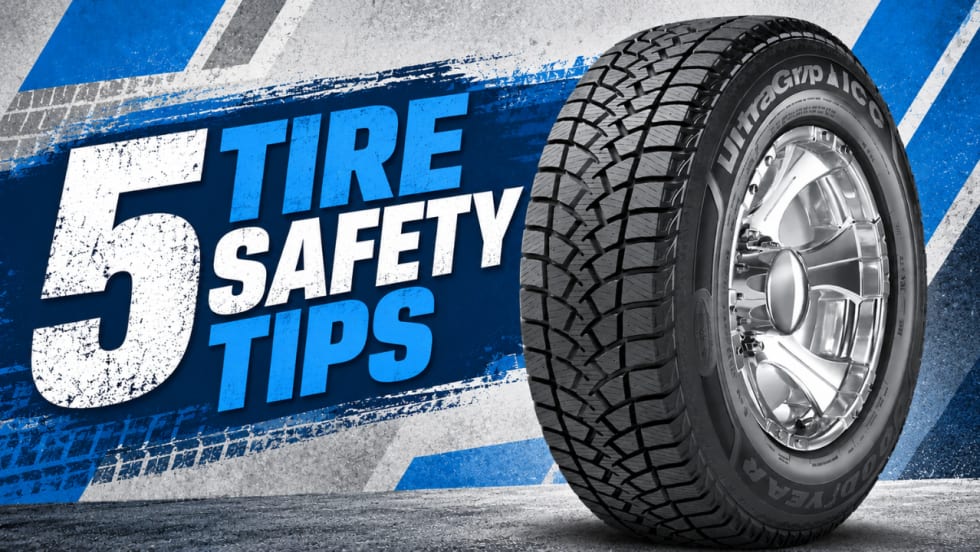
5 Tire Maintenance Tips to Help Prevent Work Truck Downtime
Regular tire checks can do more than extend tread life. These five maintenance practices can help work truck fleets catch problems early, reduce costs, and prevent downtime.
Read More →

Proven Ways to Reduce Work Truck Downtime
The age-old problem of downtime will always be a reality, but with new strategies at hand, fleets have more ways to keep trucks on the road longer.
Read More →


Cameras, Safety and Insurance: From Reactive Claims to Real-Time Prevention (Part 2 of 2)
Part Two: Commercial auto remains one of the most challenging and costly lines of coverage for fleet operators and insurers alike. Continue learning more about how to effectively address these issues from Onur Aksan, Enterprise Business Development Executive, Geotab
Read More →
Cameras, Safety and Insurance: From Reactive Claims to Real-time Prevention
Commercial auto remains one of the most challenging and costly lines of coverage for fleet operators and insurers alike. Learn more about how to effectively address these issues from Onur Aksan, Enterprise Business Development Executive, Geotab.
Read More →
Fleet Costs Are Rising: Here’s How Leaders Are Responding
Fleet leaders are under pressure to reduce costs, adapt to economic uncertainty, and make smarter decisions. See how peers across North America are responding with real data, proven strategies, and forward-looking insights. Download the 2026 Market Pulse Report to benchmark your strategy and uncover where you can gain an edge.
Read More →
Enterprise Fleet Management Surpasses 900,000 Vehicles in U.S. & Canada
Enterprise Mobility connects with mobility solutions around the globe
Read More →