




Road Deaths Spike in 2015
Traffic fatalities in the U.S. climbed during the first three quarters of last year, according to estimates in a newly released NHTSA report.
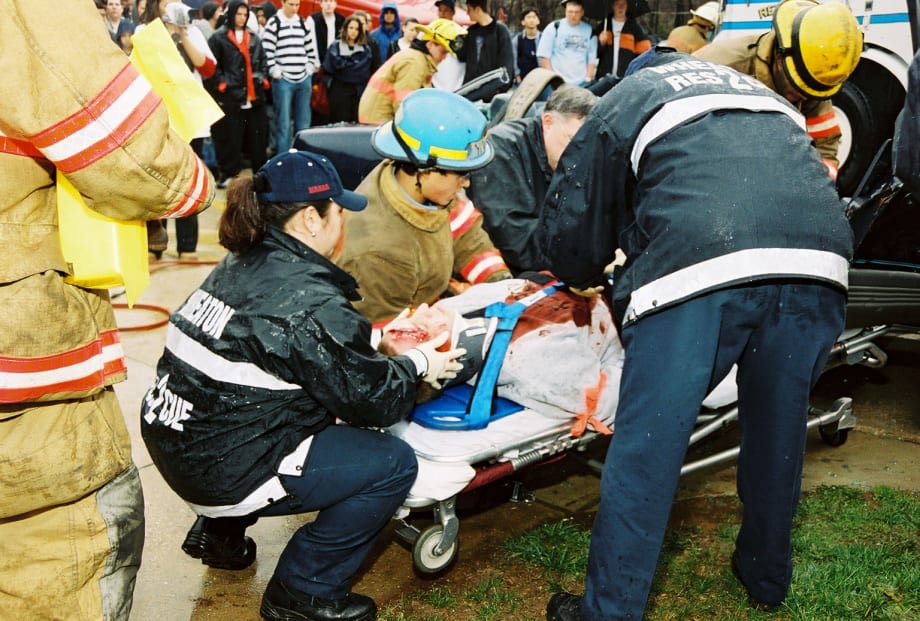
In hopes of developing new strategies to reduce crash injuries and deaths, NHTSA this year is holding a series of summits. Photo courtesy of NHTSA.
In hopes of developing new strategies to reduce crash injuries and deaths, NHTSA this year is holding a series of summits. Photo courtesy of NHTSA.
Traffic deaths in the U.S. rose 9.3% in the first nine months of 2015, according to the latest federal estimates, reversing a years-long trend.
The National Highway Traffic Safety Administration released a new report estimating that more than 26,000 people died in traffic crashes in the first nine months of 2015, compared to the 23,796 road fatalities in the first nine months of 2014.
Preliminary data indicate that motorists traveled more miles during those nine months in 2015 compared to 2014, representing a 3.5% increase. But the fatality rate for the period in 2015 still climbed to 1.10 deaths per 100 million vehicle miles traveled, up from 1.05 deaths per 100 million vehicle miles traveled from January to September in 2014.
All 10 NHTSA-designated regions of the country experienced increases in estimated fatalities in 2015, according to the report. One region — encompassing the states of Washington, Oregon, Idaho and Montana — saw a 20% jump.
These numbers, however, are still preliminary estimates and are expected to be further revised, NHTSA noted.
“It is too soon to speculate on the contributing factors or potential implications of any changes in deaths on our roadways,” the report stated. “The final data for 2014 as well as the annual file for 2015 will be available in late fall of 2016 which usually results in the revision of fatality totals and the ensuing rates and percentage changes.”
This year NHTSA will conduct a series of regional summits aimed at developing new strategies for changing driver behavior that causes road fatalities and injuries. On Feb. 5, the agency sponsored an all-day meeting in Rancho Cordova, Calif., bringing together transportation safety leaders from government, academia, business and law enforcement.
“For decades, U.S. DOT has been driving safety improvements on our roads, and those efforts have resulted in a steady decline in highway deaths,” said U.S. Transportation Secretary Anthony Foxx in a released statement. “But the apparent increase in 2015 is a signal that we need to do more.”
Human factors contribute to 94% of crashes, according to decades of NHTSA research. But in the past few years, much of the agency’s attention has had to shift to vehicle defect investigations and the execution of major safety recalls.
“We’re seeing red flags across the U.S. and we’re not waiting for the situation to develop further,” said Dr. Mark Rosekind, NHTSA Administrator. “It’s time to drive behavioral changes in traffic safety and that means taking on new initiatives and addressing persistent issues like drunk driving and failure to wear seat belts.”
More Safety

IIHS Crash Avoidance Tests Reveal Safety Gaps in Cargo Vans and Work Trucks
New crash-avoidance ratings from the Insurance Institute for Highway Safety reveal inconsistent performance among commercial vehicles, with several popular cargo vans and heavy-duty pickups struggling to avoid collisions with other vehicles and pedestrians.
Read More →
What’s Next for Fleet? Safety, AI & Industry Recognition | AF News Recap
Could your company's culture be encouraging distracted driving? This week, we're exploring how workplace expectations affect driver safety, what AI, EVs, and autonomous vehicles could mean for the future of fleet management, and how fleet professionals can strengthen their award nominations.
Read More →
Does Your Fleet's Culture Encourage Distracted Driving?
What happens when the people responsible for enforcing safety rules are the ones setting the wrong example? The answer may reveal why some of the biggest risks to fleet drivers have little to do with what's written in the employee handbook.
Read More →
Fleet Manager’s Ultimate Playbook: Navigating the New Standard in OEM Connectivity
Rising operating costs, driver safety concerns, and unplanned downtime are putting unprecedented pressure on modern fleets. Discover how fleet managers use embedded OEM connectivity and real-time vehicle data to cut TCO, prevent downtime, and protect drivers without aftermarket telematics hardware.
Read More →
From Driver Well-Being to EV Charging | AF News Recap
Mental health belongs in the fleet safety conversation. This week, we’re looking at five ways fleets can support employee well-being before a crisis, plus Holman’s expansion in Mexico, new one-day Fleet Forward passes, and why EV charging demand is outpacing infrastructure growth.
Read More →
Nexar-Nauto Merger Aims to Give Fleets Better Safety Intelligence Through Larger Driving Dataset
Stefan Heck tells Automotive Fleet that combining more than 10 billion miles of driving history with Nexar's AI models will give fleets deeper insights into driver risk and roadway conditions than either company could provide independently.
Read More →
Don't Wait for a Crisis: 5 Ways to Build Mental Health Into Your Fleet Safety Program
For Suicide Prevention Month, fleet and safety leaders have an opportunity to put mental health where it belongs: at the center of workplace safety.
Read More →
How Camera Data Can Strengthen a Fleet’s Insurance Renewal
Insights from a commercial insurance carrier and a broker show how fleets can turn video telematic data, driver coaching, and improved claims results into a stronger case at insurance renewal.
Read More →
The Safest Fleets Aren’t the Ones with the Most Technology
You’ve made the telematics investment. Here’s how to capture the other half of its value and build the safest fleet on the road.
Read More →
Hidden in Plain Sight: Fleet Compliance Risks
Fleet compliance isn't just about having policies — it's about consistently enforcing them. This practical guide reveals six hidden compliance risks common in public sector and shared fleet operations and outlines proven strategies to improve visibility, accountability, and audit readiness
Read More →