




Reser’s Fine Foods Adds 35 Redesigned Trucks to Fleet
BEAVERTON, OR - Reser's Fine Foods announced the addition to its delivery fleet of 35 new viper red Kenworth medium-duty trucks complete with new graphic wraps on the van bodies.
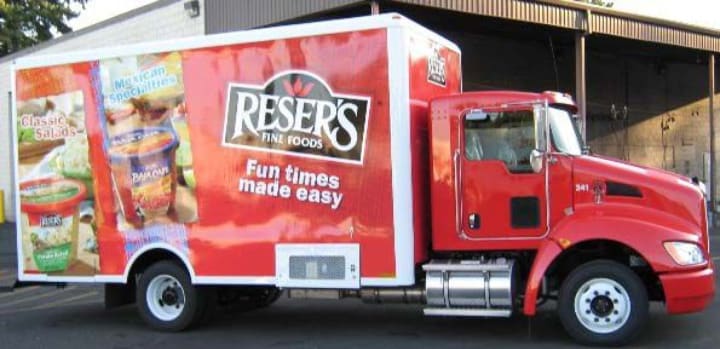
BEAVERTON, OR - Reser's Fine Foods announced the addition to its delivery fleet of 35 new viper red Kenworth medium-duty trucks complete with new graphic wraps on the van bodies.
"These new Kenworth trucks represent a significant investment and we've been ecstatic over their performance," said Dennis Fullan, corporate fleet manager for Reser's at its corporate headquarters in Beaverton, Ore. "With new graphics on the van bodies, these new units have also been getting noticed by our customers."
Reser's Fine Foods Inc., a manufacturer and distributor of refrigerated food products, operates a fleet that includes 55 Kenworth medium duty trucks - 35 of which the company took delivery last year. Among its new Kenworth trucks are 30 Kenworth T270s and five Kenworth T370s. The Kenworth trucks, stationed at Reser's manufacturing and distribution facilities situated throughout the United States, deliver tortillas, potato salad, fresh vegetable salads and other foods to grocery stores, convenience stores, and restaurants.
"Getting these trucks has done a lot to promote driver morale," Fullan said. "It's really shown them that we're committed to the business and to helping them do their jobs more efficiently."
Pat Stamey, a Reser's driver for six years, agrees. "Having this nice Kenworth truck to drive, changes your attitude and makes you feel valued as an employee," Stamey said. "That attitude then gets reflected in the work you do."
More Operations

Company Vehicle or Reimbursement? How Fleets Are Rethinking Assignments
As fleet costs and insurance pressures rise, fleet managers are taking a closer look at which employees need company-provided vehicles and when a reimbursement program may make more sense.

Fleetio, ASE Launch Scholarship Program for Automotive Technicians
The second annual program will award 15 scholarships totaling $35,000 to support ASE certification, testing fees, and equipment costs.

Reading the Global Signals: What AI and the Energy Transition Mean for Fleets Now
In this opening keynote of the 2026 Fleet Forward Conference, John Rossant, founder of CoMotion, How can fleet managers navigate a never-ending, changing industry landscape?

90% Use Telematics. Are Fleets Getting Safer? | AF News Recap
This week, we're breaking down which industries have the highest rates, how Jamie McKay manages 2,400 vehicles, what's happening with the 2027 fleet awards, and why software-defined vehicles could introduce new costs.

What's Best Handled by an FMC, and What's Better Done Directly?
Fleet managers continue to rely on FMCs for essential services but are taking a closer look at where working directly with suppliers can improve efficiency and responsiveness.

Fleet Meets: Erin Gilchrist
Meet Erin Gilchrist, the inaugural Mike Antich Spirit of Fleet Award winner, as she shares insights on leadership, mentorship, the power of industry connections, and why people remain at the heart of fleet's future.

How 2026 Fleet Visionary Jamie McKay Manages 2,400 Vehicles Across 37 States
How do you keep 2,400 vehicles running across 37 states? Fleet Visionary Award winner Jamie McKay shares how collaboration, flexibility, and a few simple strategies help her tackle fleet management challenges at Aptive Pest Control.

Managing Fleet Costs in an Era of Permanent Volatility
Fleet operating costs have risen more than 20% since 2020, raising a key question: When does extending a vehicle's service life stop making financial sense?

The Next Evolution of Fleet Management: Autonomous Operations
This opening keynote session at the Fleet Forward Conference highlights the future of autonomous driving for fleets.

How to Reduce the Total Cost of Risk From Catalytic Converter Theft
A stolen catalytic converter can cost fleets far more in downtime and lost productivity than in repairs. A total-cost-of-risk approach can help fleet managers quantify their exposure and prioritize theft prevention.