




Quantum Ships Diesel Hybrid Vehicles to Army
IRVINE, CA --- Quantum Fuel Systems Technologies Worldwide Inc. said it is developing and shipping diesel hybrid vehicles to the U.S. Army's Tank Automotive Research, Development and Engineering Center's national automotive center.
IRVINE, CA --- Quantum Fuel Systems Technologies Worldwide Inc. said it is developing and shipping diesel hybrid vehicles to the U.S. Army's Tank Automotive Research, Development and Engineering Center's national automotive center.
The project is receiving funding support through the U.S. Special Operations Command and project administration through Alion. Quantum developed the Clandestine Extended Range Vehicle (CERV), a diesel hybrid electric vehicle designed for missions involving reconnaissance, surveillance and targeting.
The CERV design incorporates Quantum Q-Force, which is a new all-wheel-drive diesel hybrid electric powertrain. Quantum designed a lightweight chassis, integrated the Q-Force diesel hybrid electric powertrain, performed a series of vehicle performance and safety tests, and built a total of six hybrid vehicles as part of this program.
This vehicle has a torque rating that exceeds 5,000 foot-pounds, can maintain a speed of 80 miles per hour, and ascend 60-percent grades. The Q-Force hybrid powertrain can reduce fuel consumption by up to 25 percent compared with a conventional vehicle, helping to significantly reduce the carbon footprint. CERV is up-fitted with a weapons ring that Quantum designed to enable higher fire power for the platform.
"I am excited about our next-generation diesel hybrid powertrain technologies and our new military special operations vehicle that is well-positioned to create another highly fuel-efficient and powerful platform that improves the military's tactical capabilities," said Alan P. Niedzwiecki, president and CEO of Quantum.
In 2008 Quantum introduced a gasoline plug-in-hybrid drive known as the "Q-Drive" in the Fisker KARMA 4-door sports sedan. Fisker Automotive, the car company that was co-founded by Quantum and Henrik Fisker, was awarded a $528.7 million loan by the U.S. Department of Energy to develop and manufacture plug-in hybrid vehicles, including the Fisker Karma.
More Green Fleet
EV Charging Use Is Outpacing Infrastructure Growth
ChargePoint’s 2026 Charging Forward Report points to rising charger use, higher-powered charging, commercial vehicle electrification, and energy-management technology. Here’s what fleets should know.
Read More →
Merchants Fleet Reports 290M EV Miles as Fleets Navigate Changing Electrification Market
From millions in operating savings to hundreds of millions of EV miles, Merchants Fleet’s latest report reveals what’s working and what’s changing in fleet electrification.
Read More →
The EV Breakdown Nobody's Talking About: Why Most Electric Vehicle Roadside Calls Aren't Mechanical Failures
Here's why EV breakdowns are widely misunderstood.
Read More →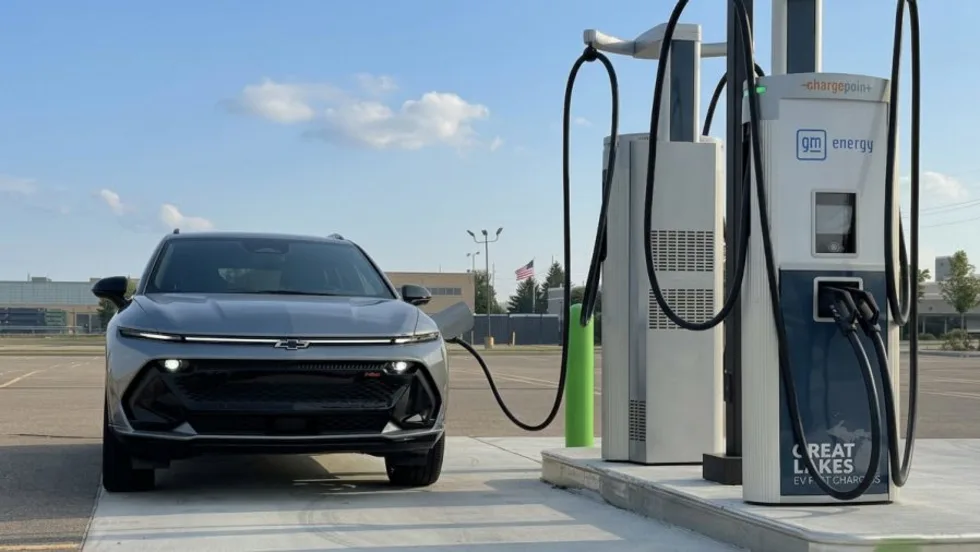
ChargePoint Now Available in Energy Pass
ChargePoint and additional planned charging network integrations were added to GM's Energy Pass.
Read More →
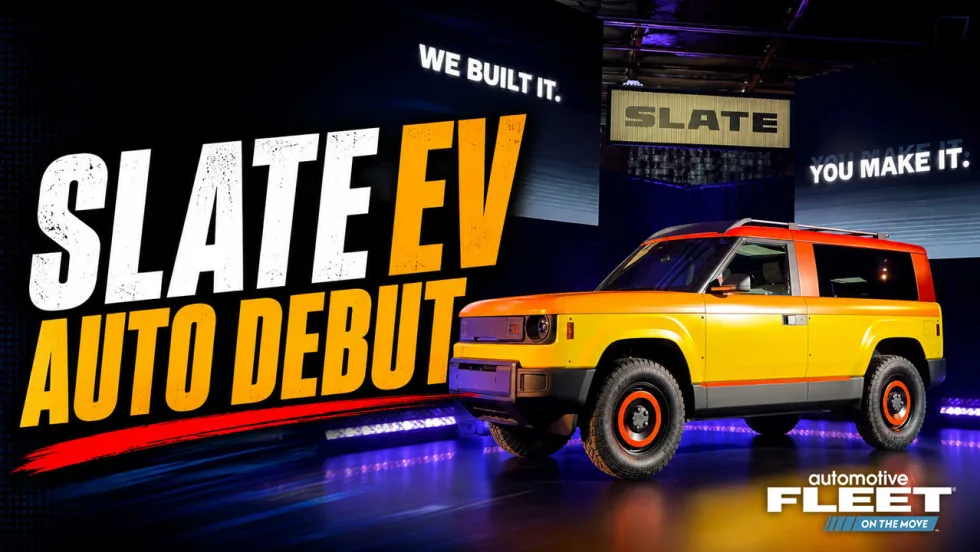
First Look: Slate Auto's Electric Fleet Pickup
Could an affordable, modular EV pickup make electrification more practical for fleets?
Read More →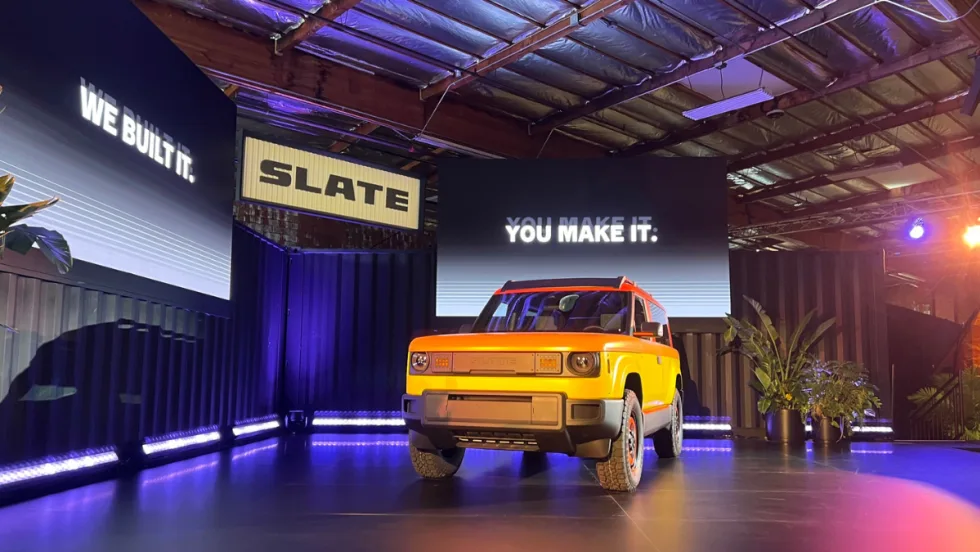
Slate Debuts Colorful, Unique EV Models
A recent media and client event, studded with electric vehicles dressed up on platforms, planted a new position for the manufacturer in the wider EV market. Fleets will find cost-saving advantages.
Read More →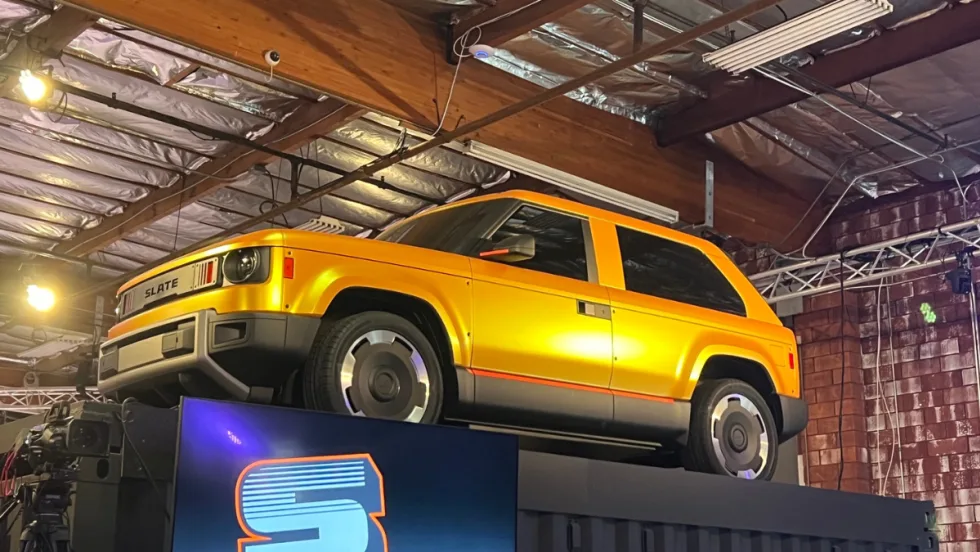
Slate Electric SUV, Pickup Switchable Model Aims For Light-Duty Fleets
Everything about this EV is counterintuitive and understated, making it stand out from the crowd.
Read More →
Inspiration Mobility Acquires Key Electrada Assets
Inspiration Mobility Group has acquired select assets of Electrada, adding the fleet electrification provider's team, technology, and charging infrastructure development capabilities to its energy management business.
Read More →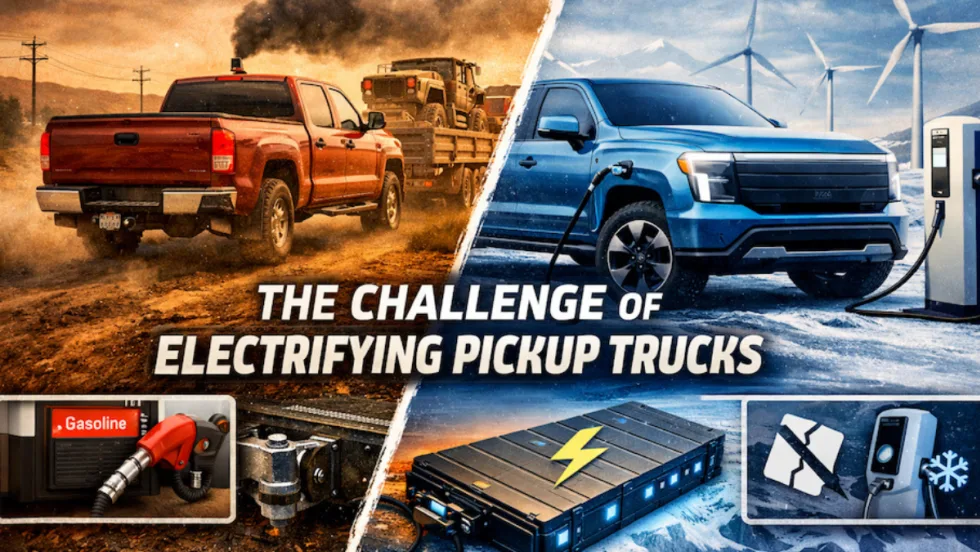
Why America’s Most Popular Vehicle is So Hard to Electrify
Turning America’s favorite workhorse electric means balancing range, payload, charging infrastructure, and price, an equation automakers are still trying to solve.
Read More →