




NYC Considers Congestion Pricing for Truck Deliveries
Congestion pricing may be part of delivering in New York City in the future, if the state follows through on a new transportation report recommendation.
Congestion pricing may be part of delivering in New York City in the future, if the state follows through on a new transportation report recommendation.
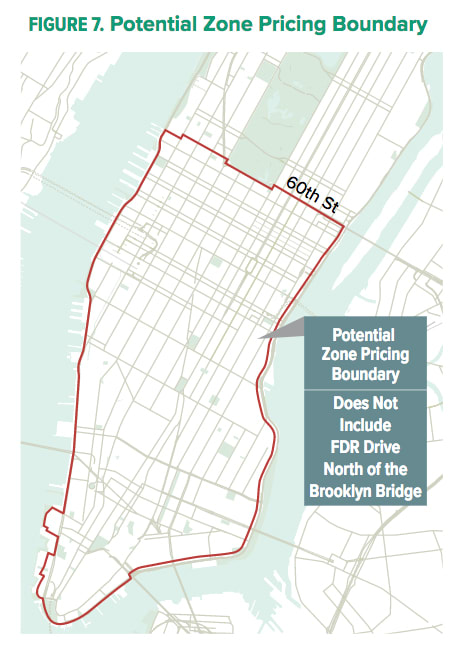
The plan would involve using electronic tolling to charge drivers entering parts of the city during peak times. If the proposal is approved by state lawmakers, tolling would take effect from 6 a.m. to 8 p.m. weekdays below 60th Street for a total of $11.52 a day.
Trucks would pay even more: $25.34.
The panel said it believes trucks are a significant contributor to congestion in the CBD and also cited emissions concerns as it recommended that zone pricing begin with a congestion fee only on trucks.
The governor stopped short of fully endorsing the proposal's details, but he said it's clear something must be done to address traffic and raise money for a subway system beset by breakdowns and delays.
"Traffic congestion in Manhattan has long been a defining feature of our city, but over the past few years, the gridlock caused by congestion has become more impactful on daily life. The periods of time during which the Central Business District seems to grind to a halt last longer and occur more frequently throughout the day," noted the authors of the report.
Truck volumes into NYC are increasing, fueled by the rise of e-commerce, the panel reported. The New York Metropolitan Transportation Council is forecasting a 46% rise in freight tonnage through 2040, which will increase congestion in the CBD caused by additional truck deliveries and through trips.
The plan also calls for improving enforcement of traffic laws within the CBD. “Throughout the day, vehicles clog intersections by ‘blocking the box,’ illegally weaving in and out of designated bus lanes to make pickups and drop offs, and parking illegally in travel lanes and at the curb," says the report. "All of these actions restrict the free flow of traffic and prevent responsible use of curbside space for deliveries.”
More Operations

A buyer's guide to fleet management software in 2027
Buying fleet management software in 2027 means looking beyond features and price. As fleet operations, technology and expectations evolve, this guide explores what today’s fleet professionals should consider when choosing a system that can deliver value now and adapt to what comes next.
Read More →
What Will Shape the Next Era of Fleet Management?
EVs, AI, and autonomous vehicles are reshaping fleet management. Discover what’s ahead—and how fleet leaders can prepare for the next era.
Read More →
How Fleets Can Recruit and Train Veterans for Technician Roles
Here's how the technician shortage has affected uptime for fleets, and what to do about it.
Read More →

Avis Budget Group Deploys Neology Toll Management Technology Across Major Brands
Neology’s neoFleet platform will manage toll transactions and toll-authority operations for vehicles across Avis, Budget, Payless, Budget Truck and Zipcar.
Read More →
Fleet Personal-Use Charges Edge Higher in 2026
Nearly eight in 10 surveyed fleets allow personal use of company vehicles, while just over half of respondents report charging employees for the privilege.
Read More →
The Future of Fleet + What’s Changing Right Now | AF News Recap
Could developments overseas offer a preview of what’s coming for U.S. fleets? This week, we’re looking at the future of AI, autonomy, and electrification, plus Ford Pro’s new certified pre-owned program, smarter vehicle offboarding, and a new way for fleets to manage toll expenses.
Read More →
How to Handle Vehicle Offboarding
What do fleet managers need to do when a driver leaves?
Read More →
Fleet Manager’s Ultimate Playbook: Navigating the New Standard in OEM Connectivity
Rising operating costs, driver safety concerns, and unplanned downtime are putting unprecedented pressure on modern fleets. Discover how fleet managers use embedded OEM connectivity and real-time vehicle data to cut TCO, prevent downtime, and protect drivers without aftermarket telematics hardware.
Read More →
U.S. Bank Adds Verra Mobility Toll Management to Voyager Fleet Platform
The integration allows U.S. Bank Voyager fleet customers to manage toll payments and violations alongside fuel, EV charging and maintenance expenses.
Read More →
ADAS Prevents Crashes. But Repairs Cost More | AF News Recap
ADAS-equipped vehicles may crash less often, but they can cost more when they do. This week, we’re breaking down what that tradeoff means for fleets, plus Subaru’s first Forester Wilderness Hybrid, Nissan’s new e-POWER Rogue, and why Calstart has become Catalyst Mobility.
Read More →