




WASHINGTON, D.C. --- Transportation Safety Board Chairman Mark V. Rosenker says we are entering a period in which technology lessons learned in aviation can be applied to improve the safety of a highway system that sees more than 90 percent of all U.S. transportation fatalities each year. In remarks delivered April 11 for the Patterson Lecture at the Northwestern University Transportation Center, Rosenker noted that, after a trend of continuing declines in traffic fatalities, those declines have leveled off since the 1990s. "We have reached some practical limits in combating the physical forces involved in crashes," Rosenker said. "It is time to move beyond crash mitigation and enter a new era where technology will help prevent accidents." Rosenker noted that beginning in the 1950s, the introduction of electronic safety devices, like radio navigation aids and, more recently, anti-collision devices, have made commercial aviation the safest mode of transportation. "I believe new technologies may enable us to repeat those successes in highway travel." He said he sees three distinct milestones along the road to highway safety: ** Technology for Crash Avoidance --- This is where the most progress has already been made, with systems that affect stability control, rollovers, lane departures and rear-end/forward collisions. Over 6 million crashes a year incur a cost to society of 43,000 lives and $230 billion in damages. "We can no longer be satisfied with trying to protect people who get into crashes. We must instead use the technology at our command to prevent crashes from happening." ** Telematics --- These are wireless, location-based services for vehicles and drivers that provide not only on-board navigation and entertainment services but also the means to a higher level of safety. Current applications of sensors and communication devices are well on their way to making road-based systems, vehicle-to-vehicle systems, and vehicle-to-infrastructure systems a viable means of promoting greater highway safety. Vehicle-based systems can quickly summon assistance following an accident or break-down, and road-based systems can provide location-specific weather conditions, road closures or work zone status. ** Command and Control --- The U.S. Department of Transportation is working with industry to build and field-test integrated crash warning systems to prevent rear-end, lane change and roadway departure collisions on light vehicles and heavy commercial trucks. These would eventually be available on all vehicles. Vehicle control systems can prevent, for example, what Rosenker calls every parent's nightmare: a vehicle backing over a young child in the driveway. There are nearly 200 such fatalities and 7,000 injuries every year in the United States. Other applications could prevent highway intersection collisions, which account for one out of every four crashes. "I am confident that highway automation will greatly improve safety," Rosenker said. "But I am not naive about what it will take to see these benefits." In the end, he said, "it is the public, and their ability and willingness to make use of these systems, that will determine how effective they will be - and how soon." Rosenker called on the research community to work with industry and government to move quickly to deploy these available technologies, with the NTSB being an active participant in understanding the implications of advance highway technology. "In the end," he concluded, "we recognize that the driver must take responsibility. Our job is to give drivers the tools they need to make the most of that responsibility."
NTSB Chairman Points to Technology for Next Big Push in Highway Safety
WASHINGTON, D.C. --- Transportation Safety Board Chairman Mark V. Rosenker says we are entering a period in which technology lessons learned in aviation can be applied to improve the safety of a highway system that sees more than 90 percent of all U.S. transportation fatalities each year.
More Safety
How Coca-Cola United Protects Its Fleet from Growing Legal Risk
As litigation risk rises, vehicles are increasingly targeted. This Coca-Cola bottler shares how it’s reducing exposure through driver training, technology, and a proactive risk management approach.
Read More →
How to Speak the Same Language on Fleet Safety
Drivers, supervisors, and data often speak different safety “languages.” Getting on the same page will drive better results.
Read More →
Fleet Cybersecurity 101: What You Need from Your Technology Vendors
From identity management to third-party certifications, the right technology partner should make security easier to manage. Here are the three building blocks that fleet managers need to stay in control as connected systems scale.
Read More →
Reducing Risk by Eliminating Phone Use Behind the Wheel
Distracted driving remains one of the most persistent risks in fleet operations. New approaches focus on removing mobile device use entirely while adding real-time safety support.
Read More →
Distracted Driving in the Age of Smart Tech – Part 2
As distraction risks evolve, fleets are turning to smarter, more connected technologies to better understand what’s happening behind the wheel. Part 2 explores how these tools are helping identify risky behaviors and improve visibility across operations.
Read More →
Data Rights, Risks, and Responsibilities After a Crash
What fleets capture to improve safety can also expose them in litigation, forcing leaders to rethink how data is managed, stored, and shared.
Read More →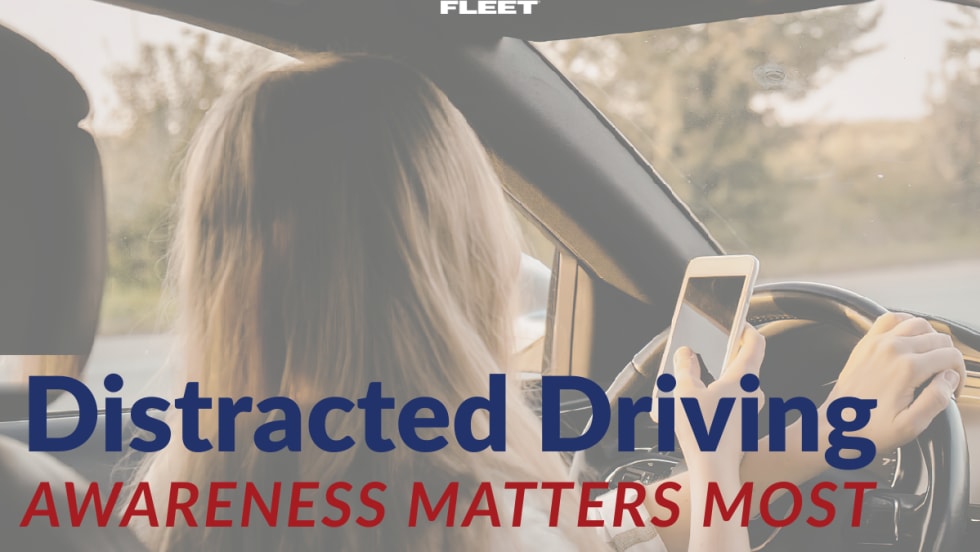
From Distraction to Detection: Strengthening Awareness in Fleet Drivers
Distracted driving is often measured by what we can see—phones in hand, eyes off the road. But what about the distractions we can’t? A recent incident raises a bigger question about awareness, attention, and why subtle risks so often go unnoticed.
Read More →
Lytx 2026 Road Safety Report
While serious crashes are declining, a rise in minor incidents and ongoing risk hotspots underscore the need for continued fleet safety investment.
Read More →
Behind-the-Wheel vs. Classroom Training: What Actually Changes Driver Behavior?
Fleets have more driver data than ever, so why isn't behavior changing? Training requires more than reports and coaching — it requires real-world practice.
Read More →
Distracted Driving in the Age of Smart Tech – Part 1
A two-part conversation with Stefan Heck on how AI is transforming the fight against distracted driving. As fleets adopt smarter tools, the focus shifts from reacting to preventing risk. In Part 1, we look at where AI is making an impact for fleets today.
Read More →