




NHTSA Looks Toward Autonomous Car Safety Standards
NHTSA issued a proposal to modernize numerous Federal Motor Vehicle Safety Standards for vehicles equipped with automated driving systems.

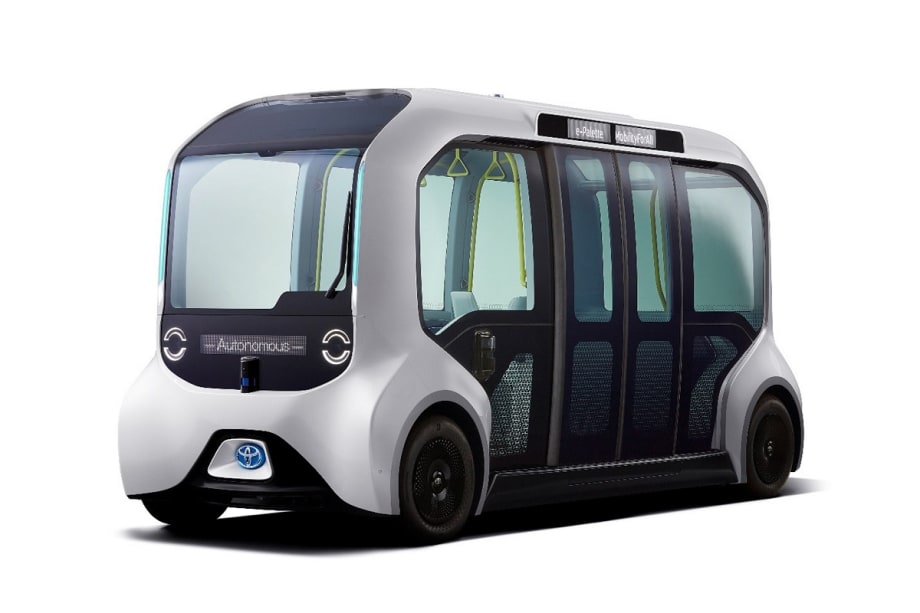
In late 2019 Toyota annoucned that it would be supplying 20 specially-designed Tokyo 2020 versions of its E-Pallet vehicles. These vehicles will provide automated, loop-line transportation for the athletes in the Olympic and Paralympic villages.
Photo courtesy of Toyota.
The National Highway Traffic Safety Administration (NHTSA) is taking steps to advance current vehicle safety guidelines in order to facilitate the development of autonomous vehicles.
Today, NHTSA issued a proposal to modernize numerous Federal Motor Vehicle Safety Standards for vehicles equipped with automated driving systems (ADS) that are designed without traditional manual controls, such as a vehicle without a steering wheel.
The change that NHTSA is seeking in its notice of proposed rulemaking (NPRM) is forward-looking, so today’s automotive market won’t be directly affected by most of it. However, it does serve as an initial step to ensure that future vehicles that might have more advanced automated driving systems aren’t inhibited in their design due to current standards meant for non-autonomous vehicles.
Nothing in NHTSA’s proposal aims to change existing occupant protection requirements for traditional vehicles with manual controls. This proposal is one of a series of regulatory actions that NHTSA is considering in order to modernize vehicle standards for new technologies.
“This proposal seeks public comment on the Department’s efforts to improve safety and update rules that no longer make sense such as requiring manual driving controls on autonomous vehicles,” said U.S. Secretary of Transportation Elaine L. Chao.
One change that NHTSA’s NPRM aims to make is applying frontal passenger protection requirements to the traditional driver seating position when a steering wheel is not present.
The NPRM also addresses vehicles with no occupant compartment, such as potential occupant-less delivery vehicles that could be implemented into commercial fleet applications, and how current occupant protection standards would apply to those types of vehicles.
“We do not want regulations enacted long before the development of automated technologies to present an unintended and unnecessary barrier against innovation and improved highway safety,” said Acting Administrator James Owens.
NHTSA is seeking comment from the public on all aspects of this proposal.
NPRMs are public notices issued by independent agencies in the U.S., such as NHTSA, when that agency wants to make create, remove, or change certain regulations. The proposal is then open to the public for comments for 30 to 60 days, in this case NHTSA has set the open discussion time to 60 days after publication of the NPRM in the federal register.
More Safety

How Camera Data Can Strengthen a Fleet’s Insurance Renewal
Insights from a commercial insurance carrier and a broker show how fleets can turn video telematic data, driver coaching, and improved claims results into a stronger case at insurance renewal.
Read More →
The Safest Fleets Aren’t the Ones with the Most Technology
You’ve made the telematics investment. Here’s how to capture the other half of its value and build the safest fleet on the road.
Read More →
Hidden in Plain Sight: Fleet Compliance Risks
Fleet compliance isn't just about having policies — it's about consistently enforcing them. This practical guide reveals six hidden compliance risks common in public sector and shared fleet operations and outlines proven strategies to improve visibility, accountability, and audit readiness
Read More →
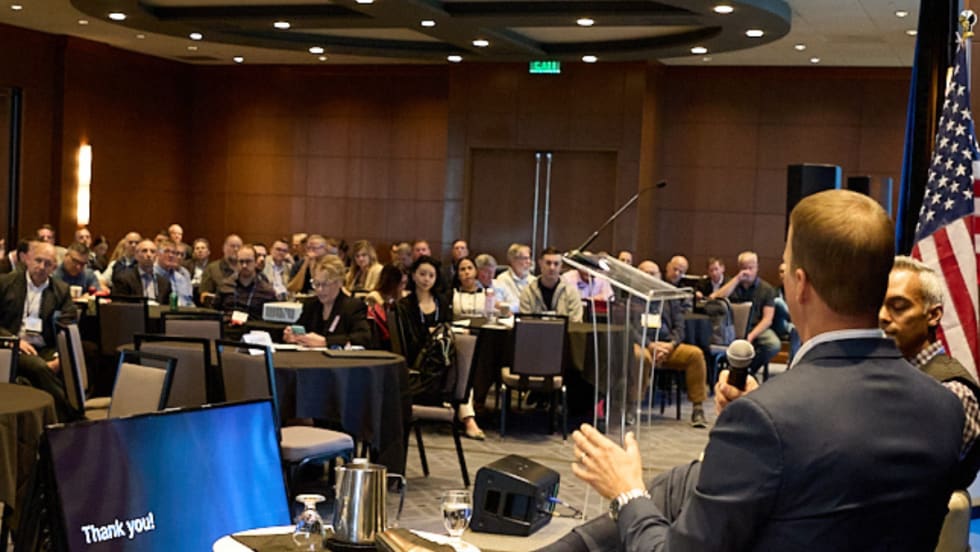
NETS Sets 2026 Fleet Safety Benchmark Conference for Indianapolis
The Sept. 15–17 program will feature fleet benchmarking data, case studies, emerging technologies, and implementation strategies while running alongside the NSC Safety Congress & Expo.
Read More →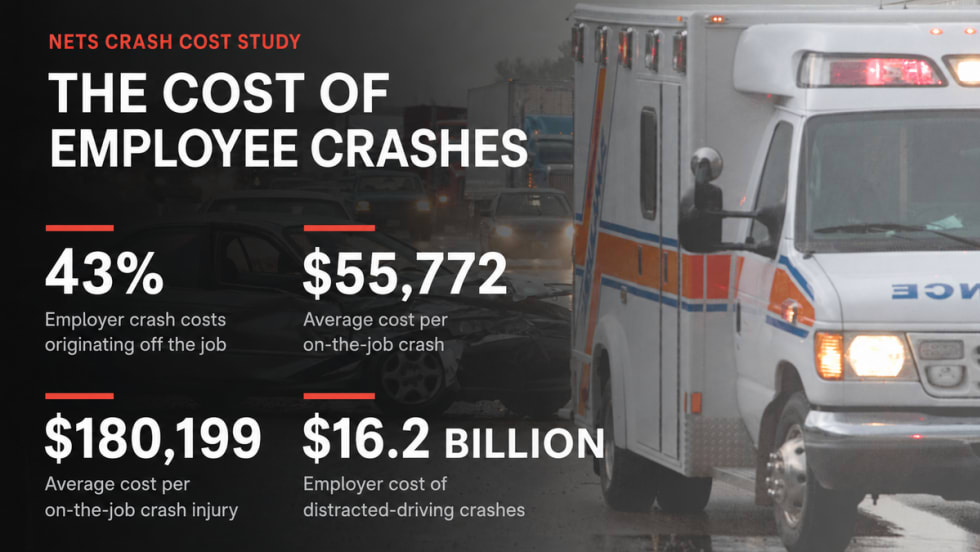
Off-the-Job Crashes Account for 43% of Employers’ $61.7 Billion Crash Burden
NETS quantifies costs dispersed across fleet, risk, HR, and other departments while providing new per-crash benchmarks for employers.
Read More →
Ram Recalls More Than 1.27 Million 1500 Pickups for Seat Belt Anchor Issue
The recall affects certain 2019-2026 Ram 1500 pickups that may have improperly attached second-row seat belt buckle anchors.
Read More →
How Better Visibility Cut Speeding Violations by 48%
Fleet leaders don't need more data, they need clearer visibility into what the data is saying. This case study explores how one utility replaced speeding-event counts with a single metric — miles driven in violation — to strengthen safety and significantly reduce speeding violations.
Read More →
Operation Safe Driver Week: Why the Industry's Oldest Safety Campaign Still Matters to Fleets
A look at how a 2007 enforcement initiative became one of the most consequential weeks on the fleet safety calendar, and what it means for your drivers in 2026.
Read More →
Nexar-Nauto Merger Aims to Give Fleets Better Safety Intelligence Through Larger Driving Dataset
Stefan Heck tells Automotive Fleet that combining more than 10 billion miles of driving history with Nexar's AI models will give fleets deeper insights into driver risk and roadway conditions than either company could provide independently.
Read More →
From Silos to Solutions: Relationship Management for Safer Fleets
From telematics adoption and driver accountability to policy consistency and risk mitigation, this episode breaks down what it really takes to build a safer fleet culture without slowing business down.
Read More →