





Related: Drivers Involved in Crashes Engage in Risky Road Behaviors, AAA Finds
New State Traffic Laws Aim to Combat Dangerous Driving
States crack down on speeding and distracted driving, and strengthen speed limit setting and ‘Move Over’ laws.
December 30, 2021
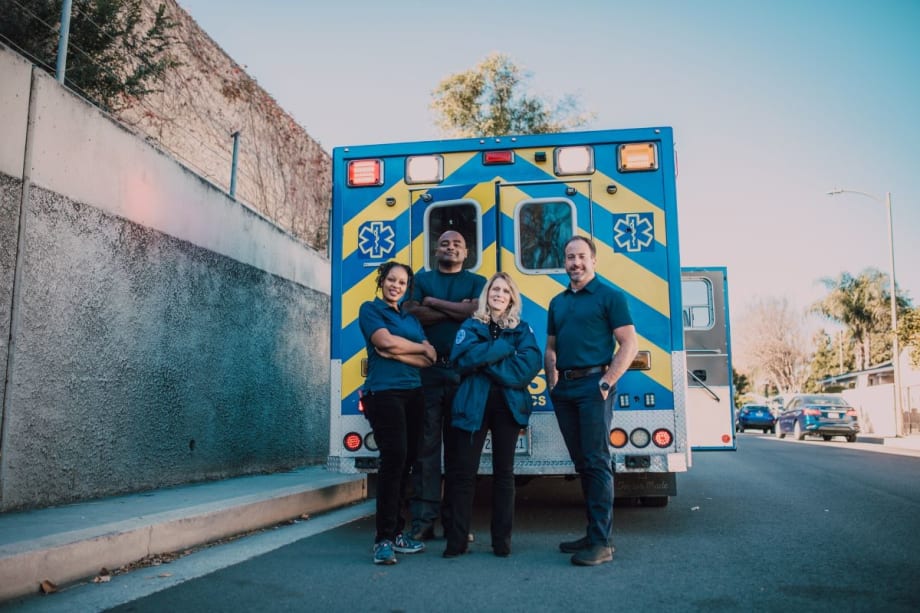
Wisconsin recently strengthened its Move Over laws.
Photo via pexels.com/RODANE Productions
2 min to read
With the New Year upon us, several states including California, Oregon, and Wisconsin are ushering in new traffic laws and enforcement efforts to help combat risky driving behaviors.
California: Cracking Down on Illegal Sideshows and Street Racing
The California Highway Patrol (CHP) has recognized a series of new traffic safety laws to punish maneuvers that threaten public safety, reports KHTS/hometownstation.com.
One such new law is designed to crack down on unlawful exhibition of speed during “sideshows” and street racing. In 2020 alone, CHP reportedly responded to over 25,000 calls involving illegal street racing activity, notes the report. Under the new law there will be stricter penalties — violators could have their driver’s license suspended for up to six months.
Oregon: Sharing Responsibility for Speed Limits
The Oregon Department of Transportation says its series of new 2022 laws will increase the equity in Oregon’s transportation system, improve safety, increase local control, and reduce greenhouse gas emissions, reports KTVZ.
Reducing speed limits, in conjunction with road design changes and increased enforcement, is one goal to improve the safety of Oregon roads. To that end, a new law includes more local control on setting speed limits. This legislation will allow some local governments, cities, and counties to set speeds on their roads, resulting in more expedient speed reductions and increased safety on local road networks.
Wisconsin: Strengthens ‘Move Over’ Law, Curbs Distracted Driving
Wisconsin motorists now face more severe penalties for distracted driving, traffic violations, and speeding around emergency vehicles and first responders, according to a report from WBAY.com/Action 2 News.
In 2020, there were 632 convictions for Move Over law violations. To combat the problem, Bill 297, defines an “emergency or roadside response area” as a section of roadway within 500 feet of an authorized emergency vehicle giving a visible signal or a tow truck displaying flashing red lamps.
The new law also creates a new crime and penalty for traffic violations that result in bodily harm when the violations occur in a road construction area, utility work area, or emergency response area. Finally, the law doubles existing fines for certain violations in any of those designated areas.
In addition, Wisconsin is cracking down on “rubberneckers” who use cell phones as they witness roadway collisions — a highly dangerous driving behavior, reports WEAU.com. Specifically, the new law bans drivers from using cell phones near crash sites — making it illegal for drivers to use handheld devices within 500 feet of a crash.
Drivers trying to capture the wreckage on their cellphones as they encounter a crash only make the crash scene worse. As more traffic approaches, another collision becomes more likely, notes the report.
More Safety

Tips for Driving Safely on Halloween Night
This video features a reminder from the Connecticut Department of Transportation (DOT) and the Connecticut Police Chiefs Association, urging drivers to prioritize safety this Halloween.
Read More →
IIHS Crash Avoidance Tests Reveal Safety Gaps in Cargo Vans and Work Trucks
New IIHS crash avoidance ratings show uneven performance among cargo vans and heavy-duty pickups, with most struggling to avoid vehicle-to-vehicle collisions.
Read More →
What’s Next for Fleet? Safety, AI & Industry Recognition | AF News Recap
Could your company's culture be encouraging distracted driving? This week, we're exploring how workplace expectations affect driver safety, what AI, EVs, and autonomous vehicles could mean for the future of fleet management, and how fleet professionals can strengthen their award nominations.
Read More →
Does Your Fleet's Culture Encourage Distracted Driving?
What happens when the people responsible for enforcing safety rules are the ones setting the wrong example? The answer may reveal why some of the biggest risks to fleet drivers have little to do with what's written in the employee handbook.
Read More →
Sponsored•October 1, 2026
Fleet Manager’s Ultimate Playbook: Navigating the New Standard in OEM Connectivity
Rising operating costs, driver safety concerns, and unplanned downtime are putting unprecedented pressure on modern fleets. Discover how fleet managers use embedded OEM connectivity and real-time vehicle data to cut TCO, prevent downtime, and protect drivers without aftermarket telematics hardware.
Read More →
From Driver Well-Being to EV Charging | AF News Recap
Mental health belongs in the fleet safety conversation. This week, we’re looking at five ways fleets can support employee well-being before a crisis, plus Holman’s expansion in Mexico, new one-day Fleet Forward passes, and why EV charging demand is outpacing infrastructure growth.
Read More →
Nexar-Nauto Merger Aims to Give Fleets Better Safety Intelligence Through Larger Driving Dataset
Stefan Heck tells Automotive Fleet that combining more than 10 billion miles of driving history with Nexar's AI models will give fleets deeper insights into driver risk and roadway conditions than either company could provide independently.
Read More →
Don't Wait for a Crisis: 5 Ways to Build Mental Health Into Your Fleet Safety Program
For Suicide Prevention Month, fleet and safety leaders have an opportunity to put mental health where it belongs: at the center of workplace safety.
Read More →
How Camera Data Can Strengthen a Fleet’s Insurance Renewal
Insights from a commercial insurance carrier and a broker show how fleets can turn video telematic data, driver coaching, and improved claims results into a stronger case at insurance renewal.
Read More →
The Safest Fleets Aren’t the Ones with the Most Technology
You’ve made the telematics investment. Here’s how to capture the other half of its value and build the safest fleet on the road.
Read More →