





Learn More: How to Improve EV Battery Performance in Cold Weather
New Mobile EV Battery Health Tool Debuts at Manheim Sites
The new technology evaluates each electric vehicle and provides VIN-specific information, which is vital in capturing accurate information about the health of the battery.
January 24, 2023
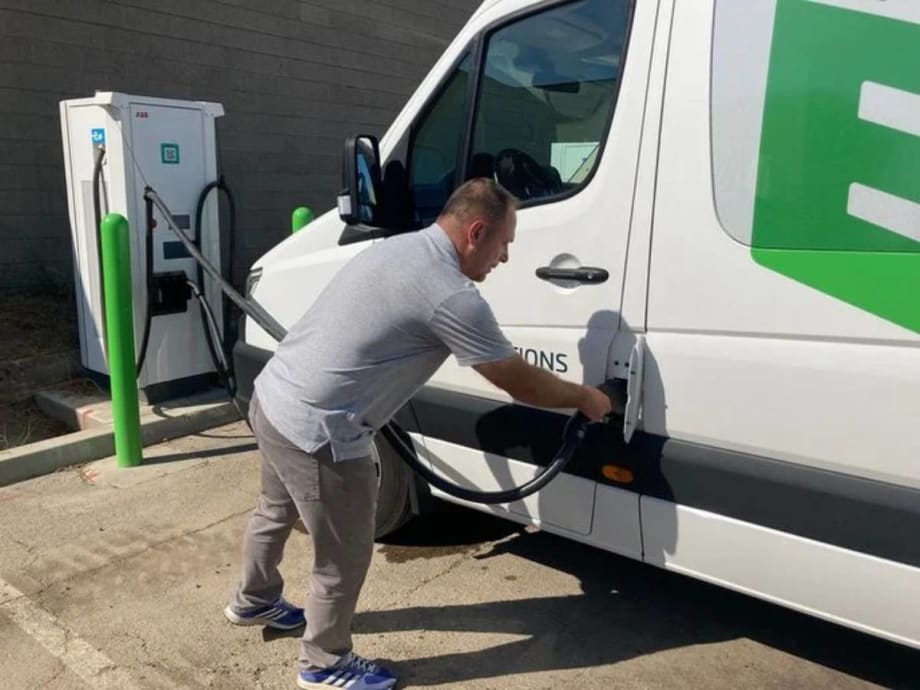
The latest cumulative EV battery data shows most, but not all, EV batteries are built to last. The average used battery health score reported was high, with an average score of 4.6. However, as batteries age, the number of outliers increase, highlighting the importance of evaluating each individual vehicle.
Photo: Chris Brown / Bobit
3 min to read
Trust matters when it comes to car buying in both wholesale and retail. To drive confidence and transparency in the new and used electric vehicle (EV) market and help optimize EV battery first life, Cox Automotive announced Jan. 24 the next phase of its pioneering approach to EV Battery Health scoring and diagnostics.
The company aims to set an industry standard in EV battery inspection and valuation with its VIN-specific battery grading system that is distinct from other available solutions. The pilot of Cox Automotive’s EV Battery Health mobile app and Bluetooth dongle will launch at 10 Manheim locations nationwide: Pennsylvania, Southern California, San Francisco, Riverside, Nevada, Dallas, Phoenix, Seattle, Nashville and Portland.
Lea Malloy, AVP of EV Battery Solutions, Cox Automotive Mobility, said in a news release, “The battery pack is the single most expensive part of an EV, accounting for 30-40% of the total cost of the vehicle. With the anticipated influx of used EVs entering the market, our battery health score will help create confidence and transparency at the point of sale.”
With more than 28 million used battery electric and plug-in hybrid vehicles scheduled to infiltrate the U.S. car parc by 2030, Cox Automotive has positoned itself to power this electric marketplace.
VIN-specific EV Battery Health Score – More than a Number
Unlike the grading systems of other EV battery diagnostic tools, which provide a general battery estimate based on make and model, Cox Automotive’s mobile battery health tool directly evaluates each car and provides VIN-specific information, which is vital in capturing accurate information around the health of the battery. The easy-to-use tool measures current battery condition, historical battery data (times, temperatures and types of charges) and performance, which the company’s patented health algorithm then uses to produce a VIN-specific battery score ranging from 1-5. That score, along with information on the battery’s current estimated range will be included in the EV Battery Health Report.
“To meet the future growth of EVs at our Manheim locations, we have been investing in an infrastructure to service and support our clients’ future EV battery needs,” said Grace Huang, President of Cox Automotive Inventory Solutions. “Creating a trusted battery health score supports our efforts to build an industry standard for battery health, while delivering the type of vehicle information clients require.”
Cox Automotive’s Battery Health score addresses three of the top five barriers to EV adoption among non-considerers, including consumers’ concerns about low mileage range (40%), the cost of battery replacements (35%) and batteries not holding their charge (30%). Furthermore, most EV buyer prospects (81%) would consider a used EV at 90% (or 10% degradation) capacity with a battery health certificate.
The battery pack is the single most expensive part of an EV, accounting for 30-40% of the total cost of the vehicle. This makes providing a VIN-specific battery health score a vital component to providing accurate used vehicle valuations. Cox Automotive’s current data sample of battery health metrics collected from Manheim, which includes more than 1,200 vehicle tests, confirmed the following:
Most, but not all, EV batteries are built to last. The average used battery health score reported was high, with an average score of 4.6. However, as batteries age, the number of outliers increase, highlighting the importance of evaluating each individual vehicle.
The higher the battery health score, the higher the transaction price. The average vehicle sales price increased by 1-4% (or 2.4% on average) when earning a higher battery health score.
Mileage is less relevant with EVs. There was an inconsistent correlation between a battery health score and mileage on the vehicle’s odometer.
More Information:Cox Automotive’s EV Battery Health tool
Originally posted on Charged Fleet
More Fleet Forward

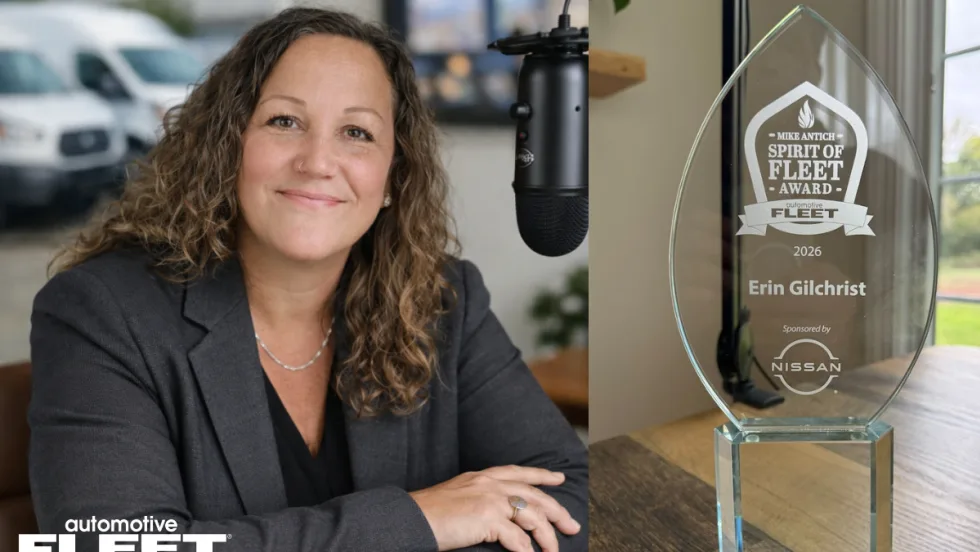
Erin Gilchrist Receives Mike Antich Spirit of Fleet Award
Last week at AFLA in Vegas, Erin Gilchrist received the inaugural, brand-new Spirit of Fleet Award.
Read More →
Dominika Leja Named the 2026 Fleet Manager of the Year
The AstraZeneca associate director of fleet was recognized for her leadership in fleet electrification, cost savings, and operational transformation.
Read More →
Jamie McKay Named the 2026 Fleet Visionary Award Winner
The Aptive Pest Control fleet manager was recognized for her approach to operations, data, lifecycle management, and driver needs.
Read More →
Fleet Forward Conference Introduces One-Day Passes for 2026
New one-day registration gives fleet professionals the flexibility to attend Tuesday, Wednesday, or Thursday, with passes available for $199 through Sept. 18.
Read More →
Vibe Coding: When Fleet Managers Become Software Builders
Five fleet professionals — none with programming skills — discuss how they’re using AI to build fleet solutions in-house and in a fraction of the time.
Read More →
Fleet Forward Conference Tackles Fleet Industry’s Growing Leadership Gap
This session will examine succession planning, knowledge transfer, and the skills the next generation of fleet leaders will need as veteran professionals leave the industry.
Read More →
2026 Fleet Manager of the Year Finalists Announced
Who are the 2026 Fleet Manager of the Year finalists?
Read More →
John Rossant to Deliver Opening Keynote at 2026 Fleet Forward Conference
The CoMotion founder will draw on developments across Europe, China, the Middle East, and other international markets to identify trends that could influence how U.S. fleets plan for the coming decade.
Read More →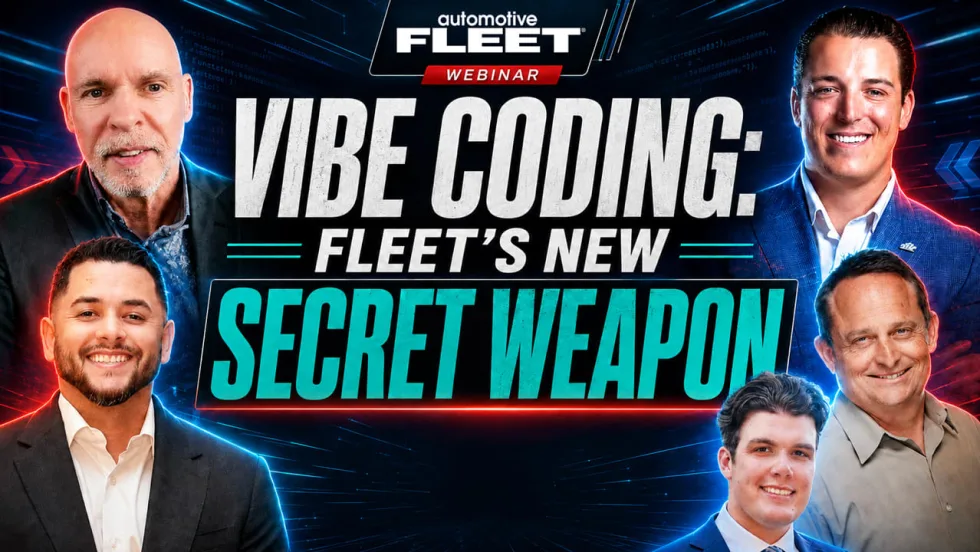
How to Build Custom Fleet Tools With AI and Vibe Coding [Webinar]
A new Automotive Fleet webinar explores how fleet managers are using AI and vibe coding to automate routine work and create simple operational tools without traditional programming skills.
Read More →