




Nation’s Top Safety Investigator Calls Out DOT for Misleading Crash Stat
Safety advocates refute that 94% of serious crashes are due to human error.

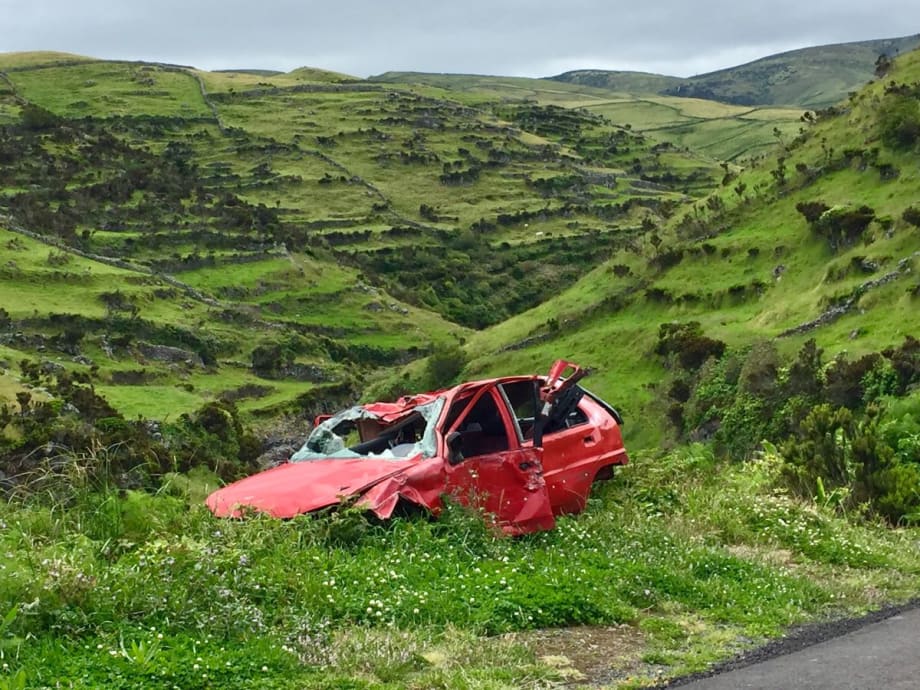
The National Transportation Safety Board advocates for a Safe System Approach, which examines how all aspects of the transportation environment contribute to crashes.
Photo via pexels.com/Dominika Kwiatkowska
Jennifer Homendy, the chair of the National Transportation Safety Board, has gone on record that a frequently cited government statistic that 94% of serious crashes are due to driver error is misleading and that the Department of Transportation (DOT) should cease using it, reports The Telegraph.
In a section about the safety potential of automated vehicles, the National Highway Traffic Safety Administration’s (NHTSA) website states “94% of serious crashes are due to human error.”
However, Homendy and safety advocates say using the 94% figure is an excuse for the spike in roadway collisions and continued use of the figure, particularly by NHTSA, distracts from a comprehensive approach that is now needed, according to the report.
In a letter to Transportation Secretary Pete Buttigieg in December 2021, groups including Advocates for Highway and Auto Safety, the Consumer Federation of America and Center for Auto Safety emphasized the need for a multifaceted plan to reduce crashes, including issuing long overdue safety standards mandated by Congress and more closely overseeing the deployment of autonomous vehicles on the road.
Homendy strongly agrees and implies that a cultural shift is needed so that people don't just accept the “94% human error” doctrine.
Rather, all stakeholders must accept the complexities of crashes and share responsibility for improving roadway safety by implementing the Safe System Approach which examines how all aspects of the transportation environment contribute to crashes, notes the report. A “safe system” approach urged by NTSB is aimed at minimizing the impact of human mistakes and protecting people who walk and bike as well as drive.
The Biden administration is allotting $5 billion for its new Safe Streets and Roads for All program, which provides grants to cities, metro areas and towns to improve safety, especially for cyclists and pedestrians. It also includes new federal mandates to automakers to install anti-drunk driving technology in cars.
While Homendy is “cautiously optimistic” that DOT is taking the necessary steps to boost safety, including improving data collection to determine when and why accidents are happening, she is concerned about the government's ability to keep pace in making the best use of rapidly changing safety technology, notes the report.
U.S. traffic deaths in the first six months of 2021 hit 20,160, and 18% increase over the first half of 2020 and the highest first-half total since 2006.
More Safety

What’s Next for Fleet? Safety, AI & Industry Recognition | AF News Recap
Could your company's culture be encouraging distracted driving? This week, we're exploring how workplace expectations affect driver safety, what AI, EVs, and autonomous vehicles could mean for the future of fleet management, and how fleet professionals can strengthen their award nominations.
Read More →
Does Your Fleet's Culture Encourage Distracted Driving?
What happens when the people responsible for enforcing safety rules are the ones setting the wrong example? The answer may reveal why some of the biggest risks to fleet drivers have little to do with what's written in the employee handbook.
Read More →
Fleet Manager’s Ultimate Playbook: Navigating the New Standard in OEM Connectivity
Rising operating costs, driver safety concerns, and unplanned downtime are putting unprecedented pressure on modern fleets. Discover how fleet managers use embedded OEM connectivity and real-time vehicle data to cut TCO, prevent downtime, and protect drivers without aftermarket telematics hardware.
Read More →
From Driver Well-Being to EV Charging | AF News Recap
Mental health belongs in the fleet safety conversation. This week, we’re looking at five ways fleets can support employee well-being before a crisis, plus Holman’s expansion in Mexico, new one-day Fleet Forward passes, and why EV charging demand is outpacing infrastructure growth.
Read More →
Nexar-Nauto Merger Aims to Give Fleets Better Safety Intelligence Through Larger Driving Dataset
Stefan Heck tells Automotive Fleet that combining more than 10 billion miles of driving history with Nexar's AI models will give fleets deeper insights into driver risk and roadway conditions than either company could provide independently.
Read More →
Don't Wait for a Crisis: 5 Ways to Build Mental Health Into Your Fleet Safety Program
For Suicide Prevention Month, fleet and safety leaders have an opportunity to put mental health where it belongs: at the center of workplace safety.
Read More →
How Camera Data Can Strengthen a Fleet’s Insurance Renewal
Insights from a commercial insurance carrier and a broker show how fleets can turn video telematic data, driver coaching, and improved claims results into a stronger case at insurance renewal.
Read More →
The Safest Fleets Aren’t the Ones with the Most Technology
You’ve made the telematics investment. Here’s how to capture the other half of its value and build the safest fleet on the road.
Read More →
Hidden in Plain Sight: Fleet Compliance Risks
Fleet compliance isn't just about having policies — it's about consistently enforcing them. This practical guide reveals six hidden compliance risks common in public sector and shared fleet operations and outlines proven strategies to improve visibility, accountability, and audit readiness
Read More →
NETS Sets 2026 Fleet Safety Benchmark Conference for Indianapolis
The Sept. 15–17 program will feature fleet benchmarking data, case studies, emerging technologies, and implementation strategies while running alongside the NSC Safety Congress & Expo.
Read More →