




National Parks Initiative Expands Clean Vehicle Use in 5 Parks
Five new National Parks Initiative projects mostly focus on shifting park vehicles to run on alternative fuels, such as propane, biodiesel, and electricity. These projects build on the success of other programs in 2011 and 2012.
The National Park Service is working in partnership with the Department of Energy’s Clean Cities National Parks Initiative to increase its use of alternative fuels and advanced vehicle technologies, according to Clean Cities.
The five new National Parks Initiative projects mostly focus on shifting park vehicles to run on alternative fuels, such as propane, biodiesel, and electricity.
Denali National Park in Alaska will replace a gasoline vehicle with a plug-in electric vehicle for use in its “Front Country” -- an area with a number of campgrounds, visitor centers, and administration facilities. The park is also working with local students to install an electric vehicle charging station equipped with photovoltaic solar panels.
Mississippi National River and Recreation Area in Minnesota will work with the Twin Cities Clean Cities Coalition to install a network of 12 electric vehicle charging stations for visitor use, with 100% of the electricity generated from wind power.
National Mall and Memorial Parks in Washington, D.C., working with the Greater Washington Region Clean Cities coalition, will deploy two plug-in electric vehicles and four charging stations, two of which will be available to the public. The park will also install idle reduction technology on 20 fleet vehicles to reduce fuel consumption and, through a partnership with the Propane Education and Research Council (PERC), deploy seven propane-powered mowers for landscaping.
Rocky Mountain National Park in Colorado, in partnership with the Northern Colorado Clean Cities coalition, will deploy a hybrid-electric vehicle and plug-in hybrid-electric vehicle, as well as two electric vehicle charging stations. The park will also launch the Rocky Mountain Idle Reduction Project to install idle reduction technology on nine fleet vehicles and incorporate the subject into its outreach and education efforts.
Sleeping Bear Dunes National Lakeshore in Michigan, with Michigan’s Clean Energy Coalition (which includes the Ann Arbor and Detroit Clean Cities coalitions), will deploy four plug-in electric vehicles and four charging stations. The park will introduce a program to educate staff and visitors on the benefits of idle reduction, fuel economy, and efficient driving habits. The park will also install a tire filling station open to both staff and park visitors to further promote sustainable driving habits.
Five new National Parks Initiative projects are estimated to save the equivalent of nearly 10,000 gallons of gasoline and 71 tons of greenhouse gas emissions a year. The project also educates park visitors about improving their own driving habits to reduce greenhouse gas emissions.
Other National Parks Initiative parks include Shenandoah National Park, San Antonio Missions National Historic Park, and Mesa Verde National Park, launched in 2012. In 2011, it launched the initiative at Grand Teton National Park, Mammoth Cave National Park, and Yellowstone National Park.
More Green Fleet
EV Charging Use Is Outpacing Infrastructure Growth
ChargePoint’s 2026 Charging Forward Report points to rising charger use, higher-powered charging, commercial vehicle electrification, and energy-management technology. Here’s what fleets should know.
Read More →
Merchants Fleet Reports 290M EV Miles as Fleets Navigate Changing Electrification Market
From millions in operating savings to hundreds of millions of EV miles, Merchants Fleet’s latest report reveals what’s working and what’s changing in fleet electrification.
Read More →
The EV Breakdown Nobody's Talking About: Why Most Electric Vehicle Roadside Calls Aren't Mechanical Failures
Here's why EV breakdowns are widely misunderstood.
Read More →
ChargePoint Now Available in Energy Pass
ChargePoint and additional planned charging network integrations were added to GM's Energy Pass.
Read More →

First Look: Slate Auto's Electric Fleet Pickup
Could an affordable, modular EV pickup make electrification more practical for fleets?
Read More →
Slate Debuts Colorful, Unique EV Models
A recent media and client event, studded with electric vehicles dressed up on platforms, planted a new position for the manufacturer in the wider EV market. Fleets will find cost-saving advantages.
Read More →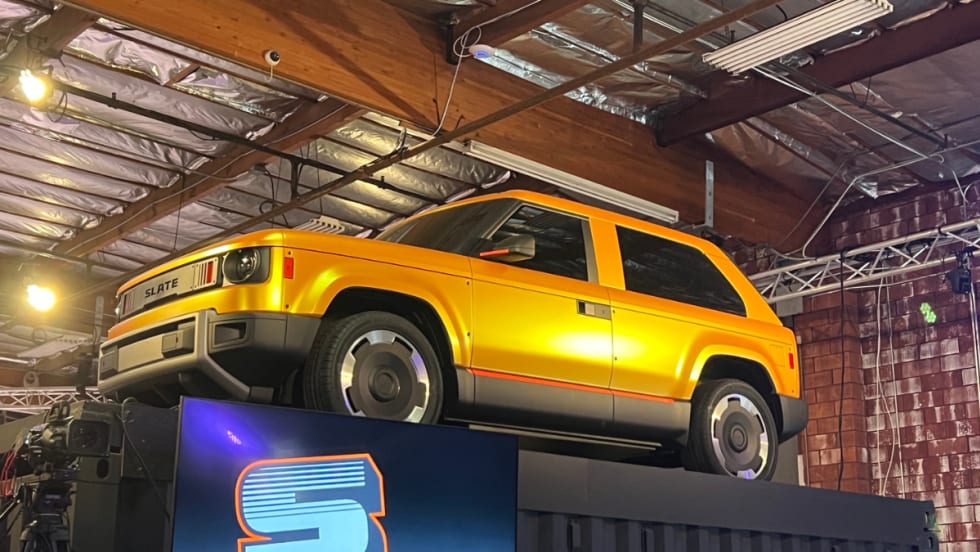
Slate Electric SUV, Pickup Switchable Model Aims For Light-Duty Fleets
Everything about this EV is counterintuitive and understated, making it stand out from the crowd.
Read More →
Inspiration Mobility Acquires Key Electrada Assets
Inspiration Mobility Group has acquired select assets of Electrada, adding the fleet electrification provider's team, technology, and charging infrastructure development capabilities to its energy management business.
Read More →
Turning Connected Vehicle Data Into Decisions That Matter
Fleet leaders have more data than ever, but turning that data into clear, actionable decisions remains a challenge. This white paper shows how leading organizations are using connected vehicle data to improve safety, reduce costs, and optimize fleet performance. Learn how to turn insight into action across your fleet.
Read More →