




Most Countries Lack Vehicle Safety Standards, Reports Says
In its "2015 Global Status Report on Road Safety," WHO cited “worrying data showing that less than half of countries implement minimum standards."
The World Health Organization (WHO) is calling on governments around the world to apply the United Nation (UN)’s most important vehicle safety regulations. In its 2015 Global Status Report on Road Safety (published on October 19) WHO cited “worrying data showing that less than half of countries implement minimum standards” and warned that “Governments have a responsibility to take the steps needed to ensure their citizens have access to safe vehicles.”
Using seven priority vehicle safety standards recommended by Global NCAP, WHO has carried out a survey on how they are currently being applied by governments around the world. The seven standards are from the UN’s World Forum for Harmonization of Vehicle Regulations and cover seat belts, seat belt anchorages, front and side impact, electronic stability control, pedestrian protection and child seats. The results show that they are being fully applied by only 40 out of a total of 193 UN Member States and overwhelmingly by high-income countries. The Report argued that “there is an urgent need for these minimum vehicle standards to be implemented by every country.”
WHO said it is worried that “these standards are notably absent in many of the large middle income countries that are major car manufacturers” now responsible for almost 50 percent of world passenger car production which reached a record level of 67 million units last year.
For example WHO showed that the most important crash-worthiness regulations helping to protect occupants withstand front and side impact crashes “are poorly implemented globally.”
According to the report, just 49 countries (27 percent) apply the UN frontal impact test regulation and 47 (26 percent) apply the side impact test regulation. Again these are predominantly high-income countries. WHO said it is concerned that “in the absence of appropriate standards automobile companies are able to sell old designs no longer legal in well-regulated countries. Alternatively, they may “de-specify” life-saving technologies in newer models sold in countries where regulations are weak or non-existent”.
Citing the example of electronic stability control (ESC), WHO said it is concerned that global car manufacturers who are required to fit the system in high-income countries “can sell the same model to markets without this life saving technology if the country does not apply the ESC regulation.” To avoid such de-specification of safety technologies the WHO said ESC “should be mandatory in all vehicles.” Noting that the system is also effective in commercial vehicles (such as trucks, coaches, and mini-buses), WHO commented that “there is enormous life-saving potential for this technology across the world’s entire vehicle fleet that has yet to be tapped globally.”
The Status Report also highlights the role of New Car Assessment Programmes (NCAPs) in driving demand for safer cars. WHO said that NCAPs “are highly successful in promoting supply and demand for safer vehicles” and described the work of the nine different organizations active in safety rating activities around the world. The WHO also spotlights Global NCAP’s support for new programs in the rapidly motorizing regions of Asia and Latin America.
The Status Report confirmed that each year 1.25 million people die as a result of road traffic crashes. WHO noted that the level of fatalities is stabilizing, but the organization’s Director General, Dr. Margaret Chan, is concerned that “the pace of change is too slow.” In a foreword to the report Dr. Chan warned “that across many measures, countries have not done enough to implement what we know works. As an example of inadequate policies, Dr. Chan included “vehicles sold in the majority of the world’s countries do not meet minimum safety standards.”
More Global Fleet

Proven Ways to Reduce Work Truck Downtime
The age-old problem of downtime will always be a reality, but with new strategies at hand, fleets have more ways to keep trucks on the road longer.
Read More →
The Top 300 Commercial Fleets
The Top 300 Commercial Fleets: See the List
Read More →

Cameras, Safety and Insurance: From Reactive Claims to Real-Time Prevention (Part 2 of 2)
Part Two: Commercial auto remains one of the most challenging and costly lines of coverage for fleet operators and insurers alike. Continue learning more about how to effectively address these issues from Onur Aksan, Enterprise Business Development Executive, Geotab
Read More →
Cameras, Safety and Insurance: From Reactive Claims to Real-time Prevention
Commercial auto remains one of the most challenging and costly lines of coverage for fleet operators and insurers alike. Learn more about how to effectively address these issues from Onur Aksan, Enterprise Business Development Executive, Geotab.
Read More →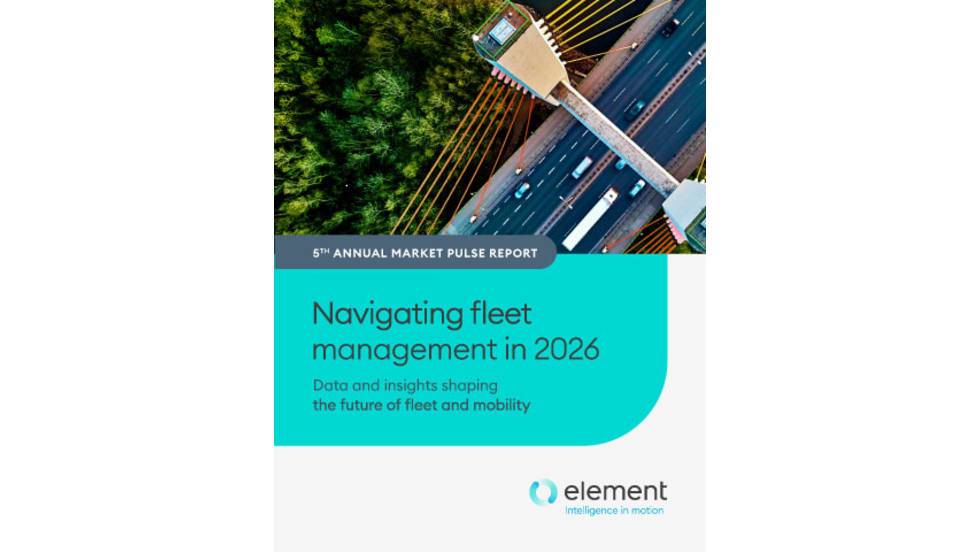
Fleet Costs Are Rising: Here’s How Leaders Are Responding
Fleet leaders are under pressure to reduce costs, adapt to economic uncertainty, and make smarter decisions. See how peers across North America are responding with real data, proven strategies, and forward-looking insights. Download the 2026 Market Pulse Report to benchmark your strategy and uncover where you can gain an edge.
Read More →
Enterprise Fleet Management Surpasses 900,000 Vehicles in U.S. & Canada
Enterprise Mobility connects with mobility solutions around the globe
Read More →
Automotive Fleet's Guide to Fleet Electrification
Unlock the secrets to a successful transition to electric fleets with Automotive Fleet's comprehensive Fleet Electrification Guide!
Read More →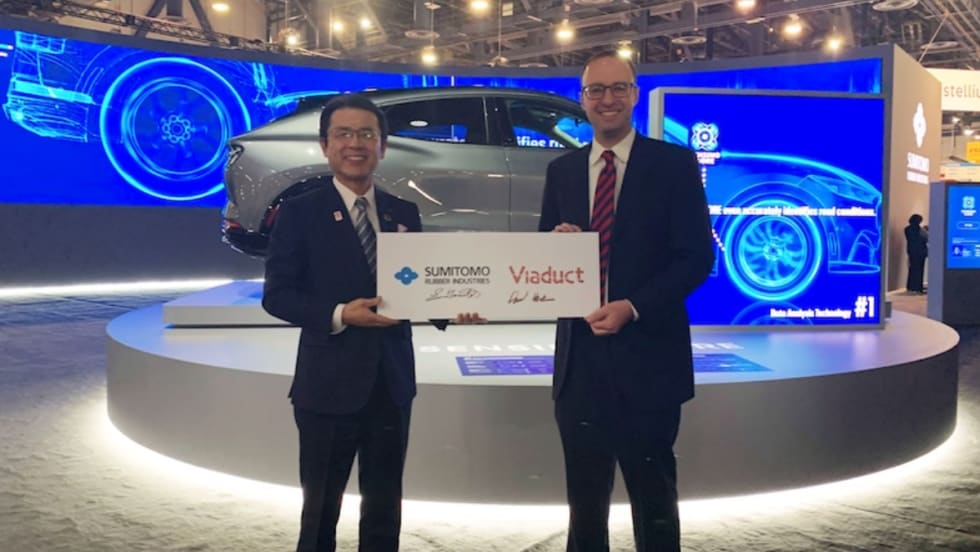
Sumitomo Rubber Industries to Acquire Viaduct
Viaduct will join Sumitomo as an independent subsidiary. Partnership strengthens global reach and accelerates AI-driven innovation for fleets and manufacturing.
Read More →
AfMA’s 2025 Education & Leadership Summit: 26 Years of Impactful Connection
Held in Sydney, the Australasian Fleet Management Association’s 2025 Summit marked ten years of growth as the event expanded its global reach and doubled down on practical, non-commercial fleet leadership programming.
Read More →