




Mazda to Electrify Entire Lineup by 2030
About 95% of Mazda vehicles sold in 2030 will be powered by some form of electrification, and the company will also revive its rotary engine for use as a range-extender for one of two planned battery-electric vehicles, according to the automaker.

Mazda has unveiled a plan to electrify its entire lineup by 2030 and introduce two battery EVs.
Photo by Eric Gandarilla.
About 95% of Mazda vehicles sold in 2030 will be powered by some form of electrification, and the company will also revive its rotary engine for use as a range-extender for one of two planned battery-electric vehicles, according to the automaker.
The implementation of electric power should reduce Mazda's carbon-dioxide emissions by 90% by 2050. Mazda, which is working from its "Sustainable Zoom-Zoom 2030" strategy, doesn't offer any electric vehicles today.
Mazda will offer mostly hybrid versions of its vehicles, and will develop two battery-electric vehicles. Mazda will offer versions of those vehicles that are equipped with a gasoline-powered, small rotary engine that will enhance the range of the vehicles. Mazda produced vehicles with the engine from the early 1960s to 2012, when it discontinued the RX-8. It was also known as a Wankel engine. The rotary engine's smaller size and higher power output give it certain advantages, and the engine is compatible with gaseous fuels.
"They say that the automotive industry is undergoing a once-in-a-century transformation," said Akira Marumoto, Mazda's president and chief executive. "At Mazda, we see this as an opportunity to create a new car culture. New trends and technologies in connectivity, autonomy, sharing and electrification offer new possibilities for creating ever more attractive cars."
More Vehicle Research
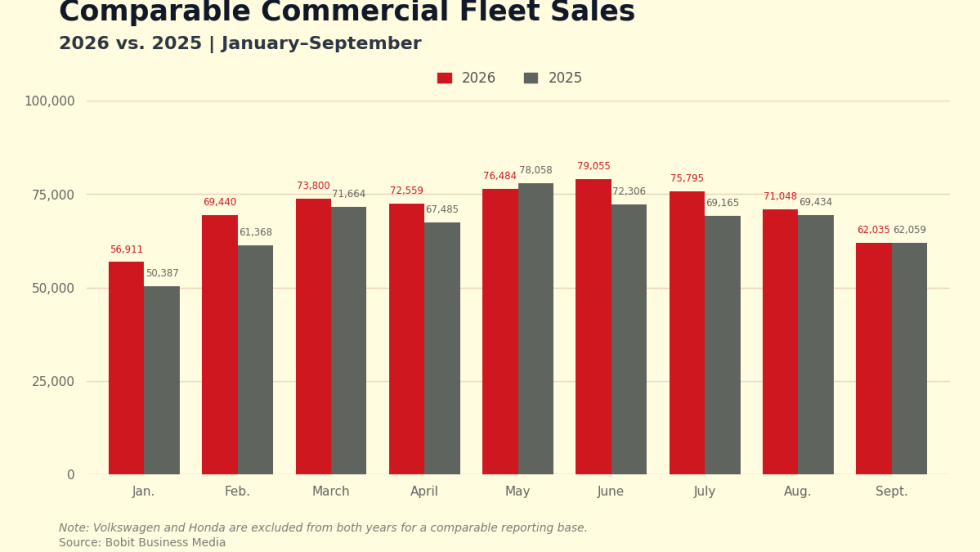
Commercial Fleet Sales Rise 5.8% Through September 2026
September commercial fleet sales were essentially unchanged from a year earlier, slowing year-to-date growth while keeping volume ahead of 2025.
Read More →
Hall of Fame Inductee: John Dmochowsky
The longtime Mondelēz International fleet executive joins the Automotive Fleet Hall of Fame.
Read More →
Hall of Fame Inductee: Lee Miller
After more than four decades at Boehringer Ingelheim, Lee Miller leaves a legacy built on fleet expertise.
Read More →
Hall of Fame Inductee: Mark F. Petersen
From managing fleets of thousands of vehicles to advancing safety and mentoring fellow professionals, Mark F. Petersen made his mark across both the corporate and supplier sides of fleet.
Read More →
When Charger Downtime Becomes a Fleet Availability Problem
As EV deployments move beyond pilot programs, charger reliability can directly affect vehicle readiness, driver productivity and route scheduling.
Read More →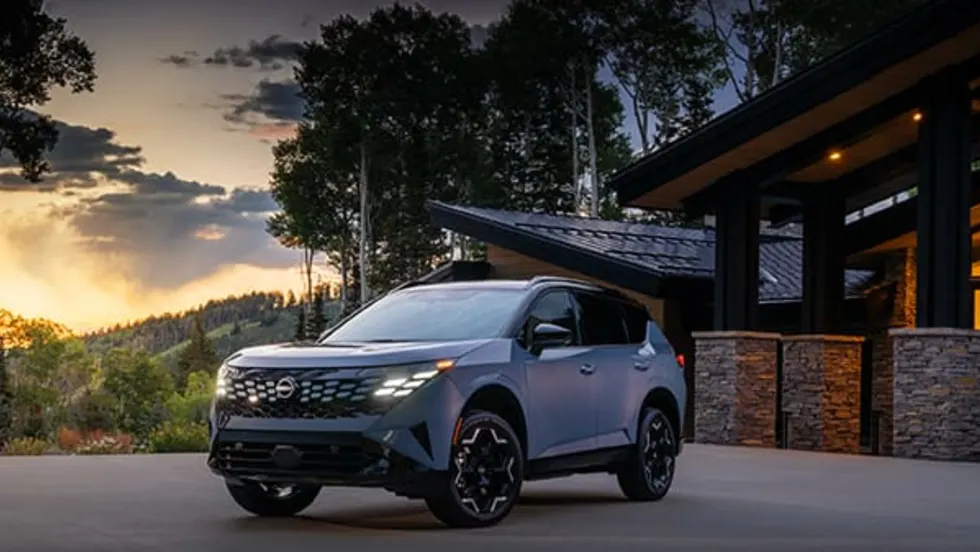
2027 Nissan Rogue Hybrid Adds e-POWER, Standard AWD
The new Rogue Hybrid uses Nissan’s e-POWER system with dual electric motors, offers an estimated 40 mpg and starts at $35,490.
Read More →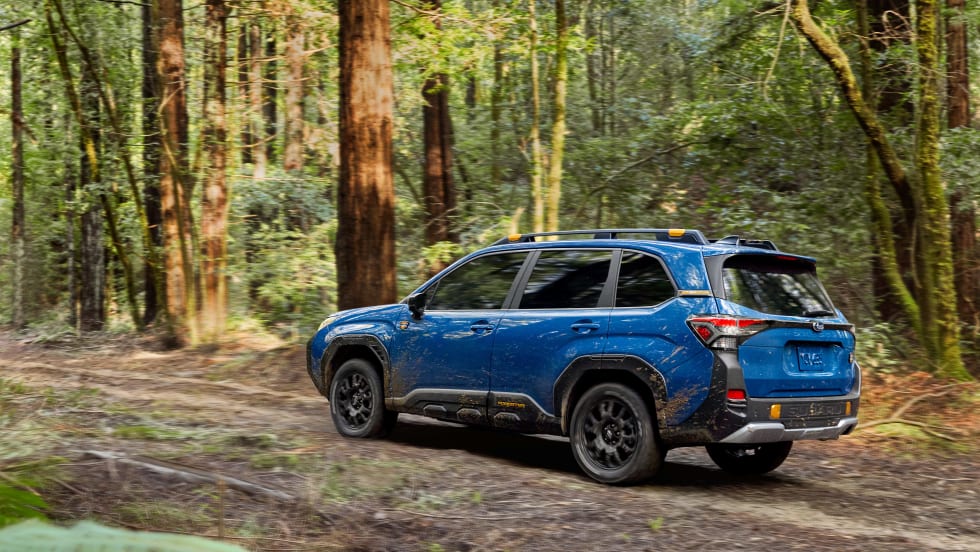
2027 Subaru Forester Adds First Wilderness Hybrid
The 2027 Forester lineup starts at $29,995 and adds a Wilderness Hybrid with 194 combined horsepower and 9.3 inches of ground clearance.
Read More →
EV Realty Names Henrik Holland President as Charging Platform Expands
The former Prologis Mobility and Shell executive will help expand EV Realty’s truck charging business and move its power-first infrastructure model into autonomous vehicle depots and other fleet sectors.
Read More →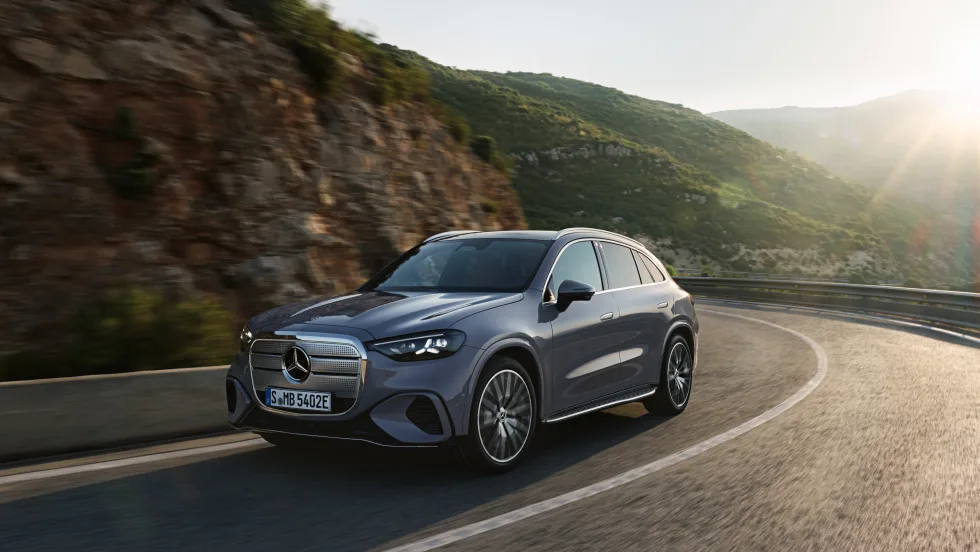
Mercedes-Benz Introduces Electric GLC With Up to 350 Miles of Range
The GLC 400 4MATIC Electric features an 800-volt architecture, 330-kW DC fast charging and a 94-kWh battery, along with Mercedes-Benz's new MB.OS operating system.
Read More →
Fleet Has a Talent Pipeline Problem, not a Talent Problem
Where will the next generation of fleet leaders come from, and what does the industry need to do differently to find them?
Read More →