




Manheim Introduces Simulcast Sales
So far in 2003, 3,500 dealers have purchased more than 1,700 vehicles valued at $25 million using Simulcast, Manheim Auctions’ new online system.
So far in 2003, 1,700 vehicles valued at $25 million have been purchased via Simulcast, Manheim Auctions’ new online system, according to Joe Luppino, Manheim Auctions vice president and chief operating officer for Manheim Interactive. Simulcast allows dealers to electronically bid on and buy vehicles as they are moving through auction lanes. Luppino said 3,500 dealers have used Simulcast this year. The 1,700 transactions accounted for 12-15 percent of total sales in the lanes where they ran. The company said dealers’ growing comfort level with the service was evident at a recent DaimlerChrysler sale at Florida Auto Auction of Orlando, where 53 dealers viewed the sale on Simulcast. More than 730 online bids were accepted, and 22 dealers from nine states purchased 157 vehicles. Manheim currently has 62 auction lanes at 16 auctions operating on Simulcast, with 20 consignors, including both dealers and commercial accounts, selling vehicles on the system. The company anticipates that Simulcast will be installed in 160 lanes at 32 auctions by the end of May 2003. A freak snow storm that hit Denver in late March provided more anecdotal evidence of Simulcast's growth. Denver Auto Auction held a General Motors sale on March 20 and sold more than 50 cars, in spite of the fact that five feet of snow kept dealers and auction employees -- including general manager Tom Strickland -- from making it to the auction. GM and Manheim decided to use Simulcast to conduct the sale live on the Web from Atlanta. Of the more than 400 GM vehicles slated to be run through the lanes that day, only about one-third had an electronic condition report, and even fewer had a photo. Yet dealers bid on more than 80 cars. At the end of the sale, 53 vehicles had changed hands.
More Remarketing
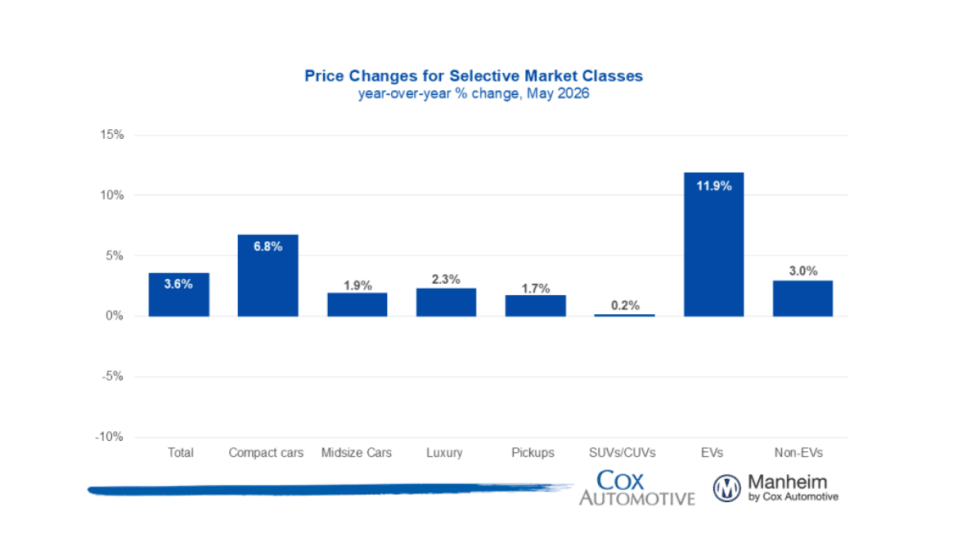
Wholesale Used Vehicle Market Sustains Moderate Rise In Values, Prices
Trends continue to normalize after a strong start to the year, as consumers contend with higher gas prices in the coming summer months.
Read More →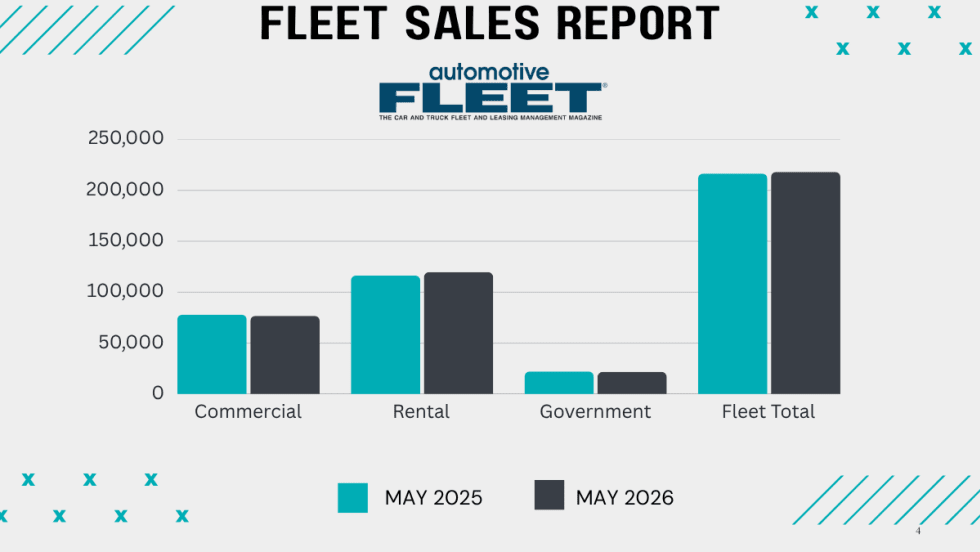
Commercial Fleet Sales Still Lead Sectors Despite May Mini Dip
The U.S. economy's continued growth and positive business investment are creating a favorable environment for fleet vehicle demand.
Read More →
How Connected Vehicle Data Is Lifting Fleet Resale Values
A vehicle health score could improve the value of fleet vehicles at remarketing. The path to a universal standard is forming, and fleets that understand the process early will be better positioned when it arrives.
Read More →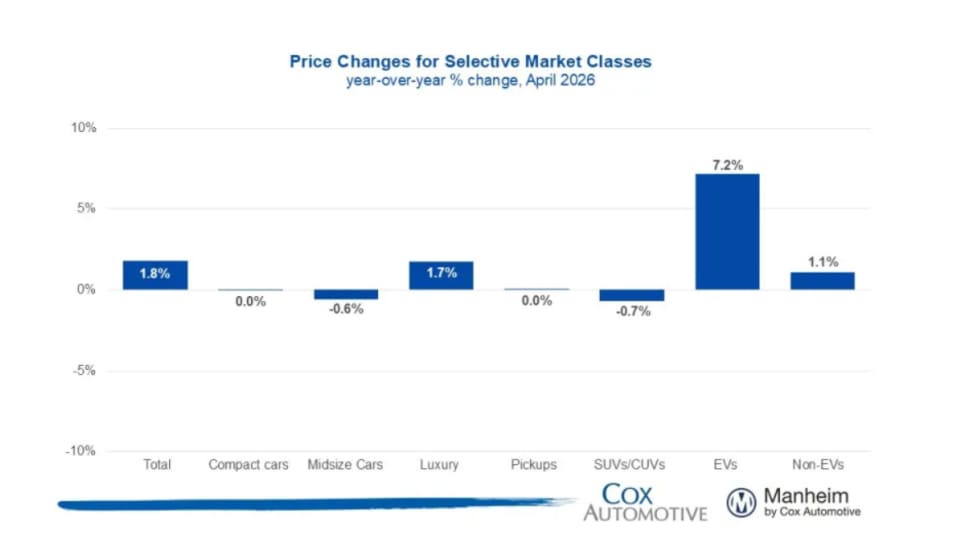
Wholesale Used Vehicle Prices Slightly Up In April
The Iranian conflict and rising gas prices inject much uncertainty into the future wholesale used vehicle markets, as higher gas prices soak up spendable income from vehicle buyers.
Read More →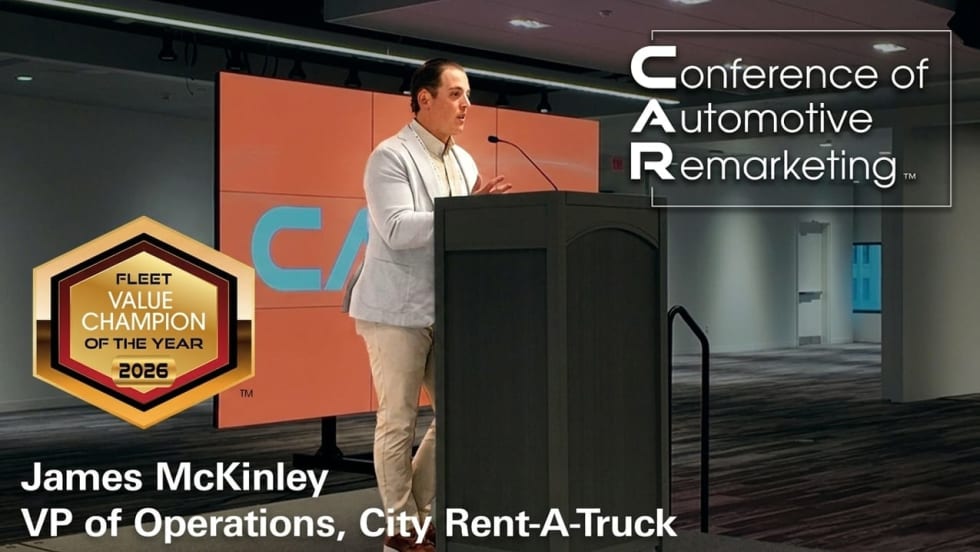
CAR2026: James McKinley Wins Value Champion of the Year
James McKinley of City Rent a Truck was named the inaugural Fleet Value Champion at the CAR Conference for his data-driven approach to fleet lifecycle management and vehicle remarketing.
Read More →
CAR2026: Eric Autenrieth Wins Remarketer of the Year
Eric Autenrieth was recognized at this year's CAR Conference as the Remarketer of the Year.
Read More →
CAR2026: Lawrence Knapp Wins Consignor of the Year
Lawrence Knapp won the Cosigner of the Year award at this year's CAR Conference.
Read More →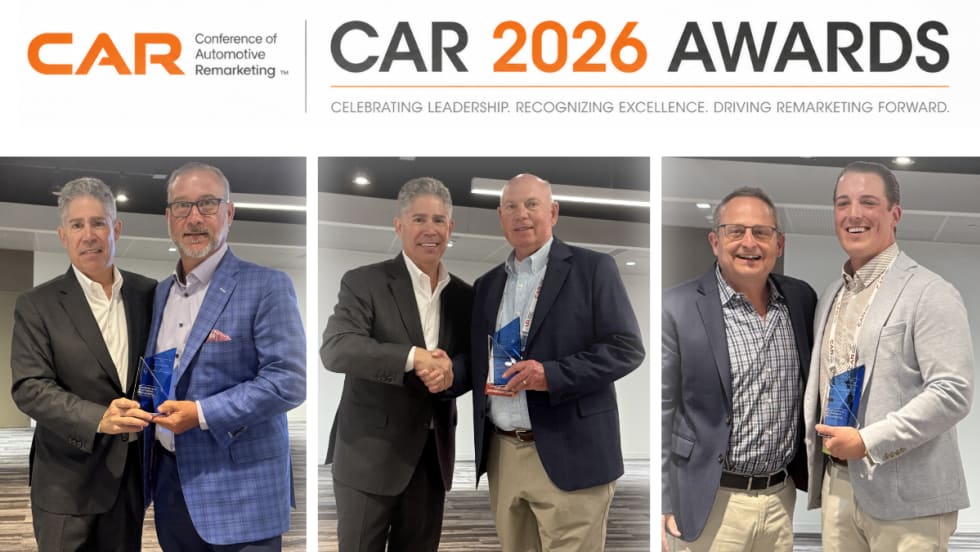
2026 CAR Awards Celebrate Industry Excellence
CAR’s annual Fleet Remarketing Awards opened a reimagined 2026 conference designed to bridge the worlds of fleet management and automotive remarketing.
Read More →
Inside the CAR2026 Awards: Leaders, Legacy & What’s Next
Here's a look inside the awards ceremony at the CAR Conference, where industry leaders reflected on the growth, impact, and future of automotive remarketing.
Read More →
The Predictive Pivot: How AI and Data Are Redefining Auto Logistics in 2026
AI is no longer a luxury but the baseline for profitability in 2026. Auto haulers that adopt these tools now will quickly outpace those using manual workflows and taking a wait-and-see approach.
Read More →