





What's Ahead: Fleet Managers in Europe Must Plan for Zero-Emission Future
Majority of European Fleets in Recent Survey Do Not Monitor CO2 Emissions
What’s needed, according to the study by German mobility solutions provider Alphabet, is a “holistic tool” to measure and reduce CO2 emissions.
May 23, 2023
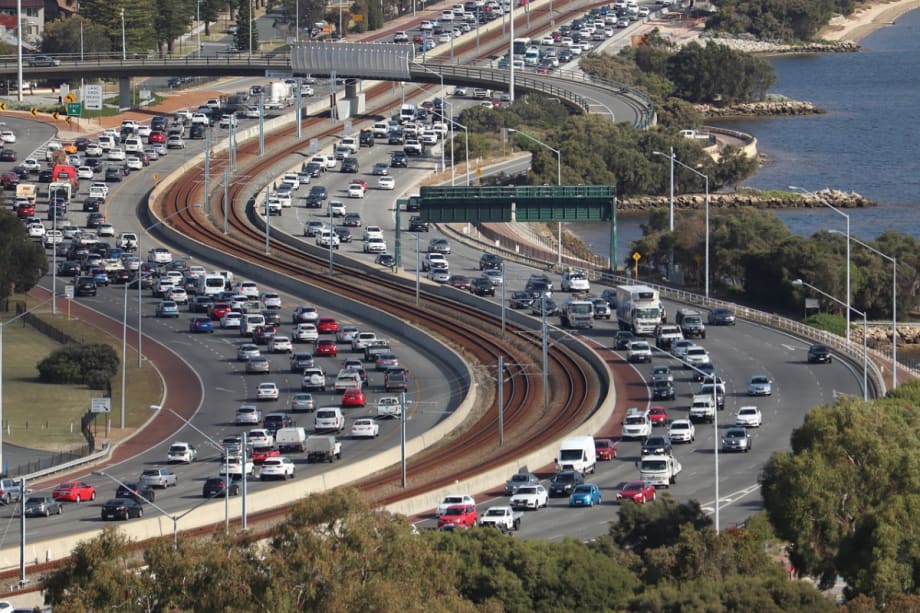
The Alphabet survey of more than 700 European fleet managers reveals 17% of responding companies had no knowledge of their fleet’s CO2 emissions, indicating many companies may not be taking adequate measures to track and reduce their carbon footprint.
Photo: DaModernDaVinci
2 min to read
While more than half of companies (61%) in a recent survey acknowledged the importance of sustainability, just 37% actively monitor their emissions, according to results of a European Fleet Emission Monitor (EFEM) study by Alphabet, a Munich-based provider of business mobility solutions.
Moreover, the EFEM survey of more than 700 European fleet managers reveals 17% of responding companies had no knowledge of their fleet’s CO2 emissions, indicating that many companies may not be taking adequate measures to track and reduce their carbon footprint.
Monitoring Emissions
To achieve emissions targets, the Alphabet study analysis points out, companies must know their fleet’s CO2 emissions base line. However, almost a fifth of companies surveyed do not monitor their emissions at all. Companies that do not employ an adequate monitoring system use calculations based on fuel consumption data (48.3%), while another third rely on manufacturer data still collected in Excel spreadsheets (31.3%).
What’s needed, according to the study, is a “holistic tool” to measure and reduce CO2 emissions. Alphabet and an external partner are developing just such a CO2 tool to provide a clear snapshot of a fleet’s current standing and enabling fleet managers to make sustainable modifications while balancing economic efficiency.

Photo: Alphabet
Electrification Challenges
According to the survey, 69% of respondents believe their fleets eventually will be fully electrified, with 30% expecting their fleets to be completely petrol-and diesel-free within the next six to 10 years.
However, the survey also shows significant obstacles — cited by 94% of repondents — hamper the electrification process, including with driving range (38%) and charging infrastructure (36%) among the top concerns.
Mark Deusing, CEO Alphabet International, believes the survey is a “wake-up call for companies to take immediate action to reduce their emissions and adopt a more sustainable approach.” He emphasizes that “sustainabilty has gained a much higher signifcance indecision-making over the past couple of years, and success and sustainability need to be compatible.”
More Global Fleet
GeoFencing Adds to Your Truck Security Arsenal
Geofencing is a familiar fleet tool today, but its early adoption marked a major shift in vehicle tracking, route monitoring, and the debate over employee privacy.
Read More →
Holman Takes Full Ownership of ARIZA in Mexico
Holman is bringing its Mexican fleet management operation fully under its own brand after more than 30 years as a joint venture. The change gives multinational fleet customers a single Holman operation across the U.S., Canada, and Mexico.
Read More →
5 Tire Maintenance Tips to Help Prevent Work Truck Downtime
Regular tire checks can do more than extend tread life. These five maintenance practices can help work truck fleets catch problems early, reduce costs, and prevent downtime.
Read More →

Proven Ways to Reduce Work Truck Downtime
The age-old problem of downtime will always be a reality, but with new strategies at hand, fleets have more ways to keep trucks on the road longer.
Read More →


Cameras, Safety and Insurance: From Reactive Claims to Real-Time Prevention (Part 2 of 2)
Part Two: Commercial auto remains one of the most challenging and costly lines of coverage for fleet operators and insurers alike. Continue learning more about how to effectively address these issues from Onur Aksan, Enterprise Business Development Executive, Geotab
Read More →
Cameras, Safety and Insurance: From Reactive Claims to Real-time Prevention
Commercial auto remains one of the most challenging and costly lines of coverage for fleet operators and insurers alike. Learn more about how to effectively address these issues from Onur Aksan, Enterprise Business Development Executive, Geotab.
Read More →
Fleet Costs Are Rising: Here’s How Leaders Are Responding
Fleet leaders are under pressure to reduce costs, adapt to economic uncertainty, and make smarter decisions. See how peers across North America are responding with real data, proven strategies, and forward-looking insights. Download the 2026 Market Pulse Report to benchmark your strategy and uncover where you can gain an edge.
Read More →
Enterprise Fleet Management Surpasses 900,000 Vehicles in U.S. & Canada
Enterprise Mobility connects with mobility solutions around the globe
Read More →