




Lithium Batteries Take to the Road
WATERTOWN, MA – Hybrid electric cars need much better batteries—and A123, a Massachusetts start-up, says it's got them.
WATERTOWN, MA – Hybrid electric cars need much better batteries—and A123, a Massachusetts start-up, says it's got them.
Late 2006 A123’s new design for lithium-ion batteries hit the market in a line of power tools aimed at professional builders from the DeWalt Industrial Tool Co. The batteries operate at 36 volts, twice the voltage of their predecessors, and hold 130 watt-hours per kilogram—twice as much as standard nickel-metal-hydride cells.
Lithium-ion cells are poised to take an increasing share of the auto battery market, just as electric drive seems set to begin a long, slow climb to become, at last, a serious power-train option. But what’s rarely understood is how much that second revolution depends on the first.
The auto industry transformation began modestly enough a decade ago with the Toyota Prius, the now wildly successful gasoline-electric hybrid. And if A123 and dozens of like-minded companies and research groups can deliver on the promise of lithium-ion batteries for vehicle propulsion, in four to 10 years plug-in hybrids could be capable of going substantial distances on electricity alone.
Enthusiasm for the plug-ins being tested now, along with the 15- to 65-kilometer pure-electric range projected for their successors using lithium-ion battery packs, has raised hopes. Some analysts dare to contemplate the re-emergence of a mass-market electric car, perhaps within a decade.
More Operations

Turning Connected Vehicle Data Into Decisions That Matter
Fleet leaders have more data than ever, but turning that data into clear, actionable decisions remains a challenge. This white paper shows how leading organizations are using connected vehicle data to improve safety, reduce costs, and optimize fleet performance. Learn how to turn insight into action across your fleet.
Read More →
Cameras, Safety and Insurance: From Reactive Claims to Real-time Prevention
Commercial auto remains one of the most challenging and costly lines of coverage for fleet operators and insurers alike. Learn more about how to effectively address these issues from Onur Aksan, Enterprise Business Development Executive, Geotab.
Read More →
Are You Tracking Your Fleet's True Total Cost of Ownership?
Bobit Business Media surveyed 190 fleet professionals and found that while most fleets are tracking costs, fragmented systems and data gaps are keeping true TCO visibility out of reach. With rising pressure to control spend in an increasingly volatile environment, the gap between what fleets think they know and what the data actually shows is wider than you might expect. See how your peers are managing costs today and where the industry still has room to improve.
Read More →

Turn Fleet Data Into Smarter Decisions
Fleet leaders have access to more operational data than ever, but disconnected systems and unclear metrics often slow decision-making instead of improving it. This article outlines five practical steps fleets can take to transform fragmented data into actionable insights that improve planning, safety, utilization, and long-term performance.
Read More →
Hybrids: Electrification Without the Challenges
For fleet managers, fuel is one of the biggest line items in the budget — and it's one hybrids can shrink without changing how your people work. Download the eBook to see the numbers, understand the technology, and get a step-by-step guide to making the switch.
Read More →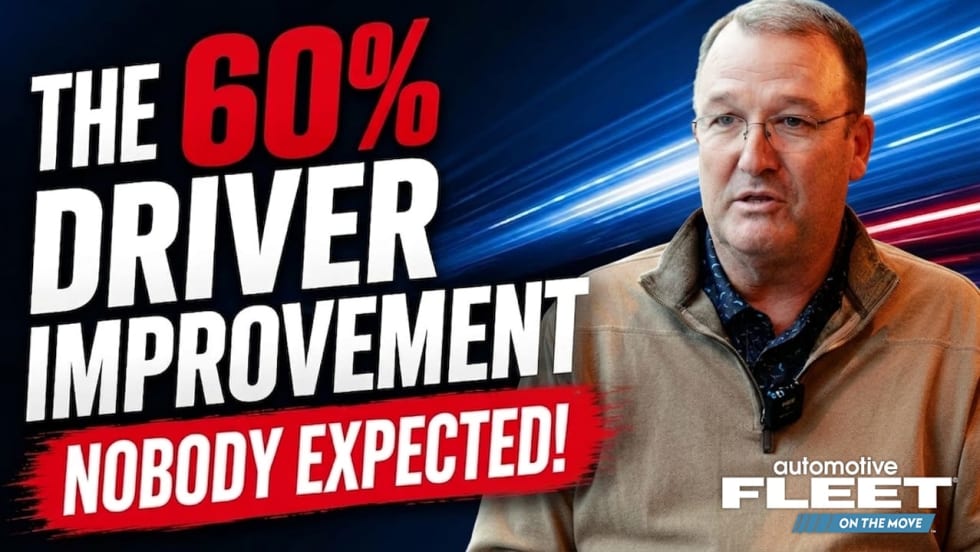
How NOV Uses Telematics to Improve Fleet Safety Across 160 Locations
James Victory of NOV discusses how the company manages fleet safety, maintenance, and telematics across more than 150 locations supporting oilfield operations throughout the U.S.
Read More →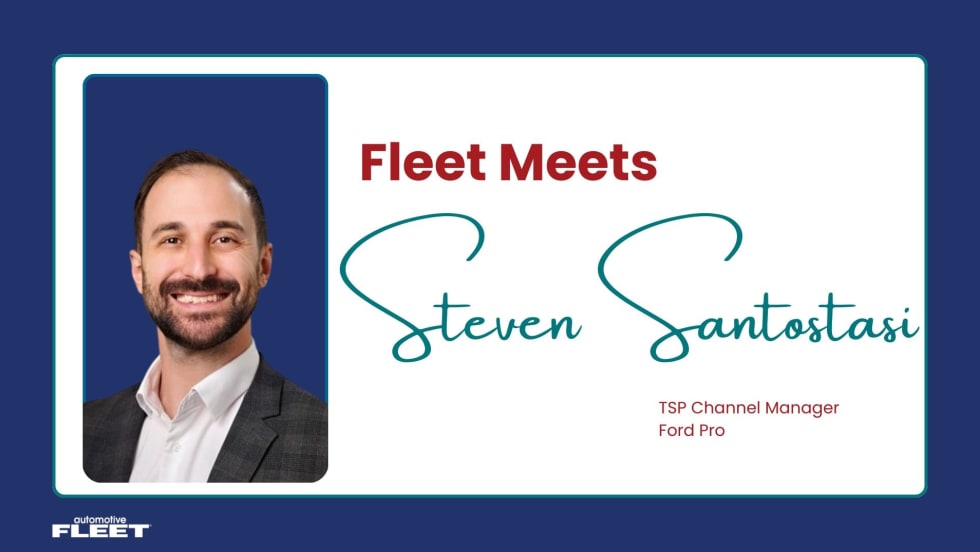
Fleet Meets: Steven Santostasi
This edition of the Fleet Meets series features Steven Santostasi, the current TSP channel manager for Ford Pro.
Read More →
Why Fleet Managers Are Replacing Departmental Vehicles with Shared Motor Pools
Departmentally assigned vehicles often create hidden costs through underutilization, poor visibility, and increased administrative burden. This white paper explores how shared motor pool strategies help fleets reduce costs, improve accountability, and optimize vehicle utilization.
Read More →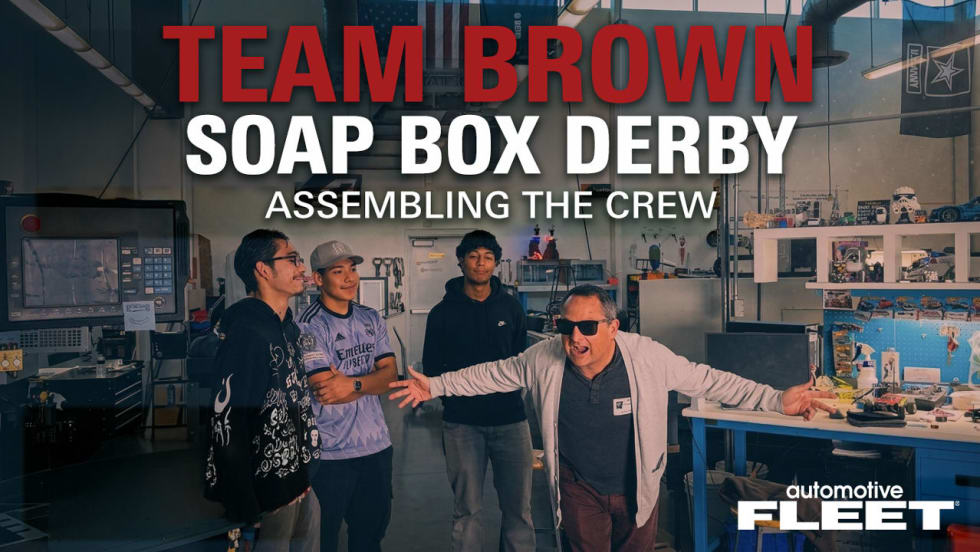
Soap Box Derby Challenge: Assembling the Crew
Meet Gabriel, Matthew, and Angel — the team helping bring this soap box derby build to life.
Read More →
BBL Fleet Acquires Velcor Leasing Corporation
BBL Fleet expanded its footprint in the fleet management industry with the acquisition of Velcor Leasing Corporation of Madison through a stock purchase agreement finalized Feb. 27, 2026.
Read More →