




Lease Volume Down Another 20 Percent in 2003
The Association of Consumer Vehicle Lessors (ACVL) has announced that member leasing companies reported a total reduction in new leases from 2 million in 2002 to 1.6 million in 2003.
The Association of Consumer Vehicle Lessors (ACVL) has announced that member leasing companies reported a total reduction in new leases from 2 million in 2002 to 1.6 million in 2003. This 19.8-percent volume decline shows the continued effect of high cash rebates and interest rate subsidies, combined with longer loan terms. Manufacturer programs have created low monthly loan payments and induced some consumers to finance rather than lease their new vehicles. Since the peak of leasing in 1999, leasing volume has fallen more than 50 percent from 3.4 million new leases to 1.6 million new leases in 2003.
In 2003, captive total leases were down 20.5 percent, while bank leases were down 16.3 percent. Large lessor lease volume dropped 21.5 percent compared to 6 percent for medium lessors. For both the bank and captive lessors, the volume of the larger members declined more than smaller ones such that the average (unweighted) volume decline was 14.9 percent for captives and 6.4 percent for banks.
"There were a number of factors contributing to lower lease volumes," explained Rob Mize, ACVL President, "including the expansion of the 0-percent retail installment programs and other similar manufacturer installment sale promotions, continued declines in residual values (causing higher monthly lease payments making leasing less competitive compared to financing), and fewer manufacturer subvented lease programs. However, those trends appear to be abating in 2004, so lease volume may climb this year."
ACVL members also reported that their end-of-term residual losses decreased somewhat in 2003. Residual losses declined to $2,909 in 2003 from a weighted average of $3,269 in 2002, an 11-percent decrease. While the declining residual loss level was a welcome development for lessors, consumers who had leased their vehicles continued to reap substantial benefit by having lessors absorb these used-car market losses. While it appears that residual losses will fall during 2004 and over the following years, leasing still protects consumers from unexpected declines in trade-in values. Consumers have come to appreciate the protection that leasing affords them from excess depreciation.
The ACVL survey highlights a number of areas in which bank and captive vehicle leasing programs differ. For example, the average lease term of bank lessors was 51.4 months in 2003, compared to 38.6 months for captive lessors.
This is the largest difference in the 11 years for which lease data has been compiled by the association. Additionally, on an unweighted basis, more than 20 percent of new bank leases were longer than 60 months.
ACVL has conducted its annual member lease survey since 1993. ACVL members account for an estimated 80 percent of all consumer vehicle leasing in the U.S.
More Remarketing
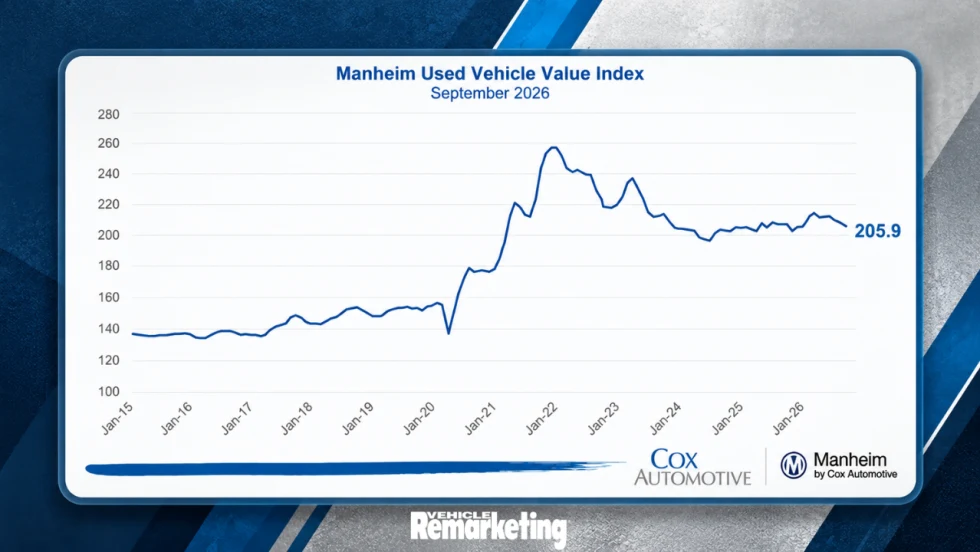
Wholesale Used-Vehicle Values Fall as Cox Automotive Cuts 2026 Forecast
Wholesale used-vehicle prices declined in September as depreciation accelerated, prompting Cox Automotive to lower its year-end forecast.
Read More →
FLD Promotes Three Executives in Leadership Changes
FLD has promoted three longtime executives, naming Gary Mott CEO, Richard Mallek president, and Ron Sanders managing partner.
Read More →
Ford Pro Launches Certified Pre-Owned Program for Commercial Vehicles
Ford Pro Advantage will offer certified pre-owned Class 1-7 commercial vehicles through more than 700 Ford Pro Commercial Vehicle Centers.
Read More →
Copart to Acquire ACV in $1.9 Billion Deal
The acquisition would expand Copart beyond its traditional salvage business into dealer-to-dealer wholesale remarketing while adding ACV’s vehicle data, inspection, and valuation technology.
Read More →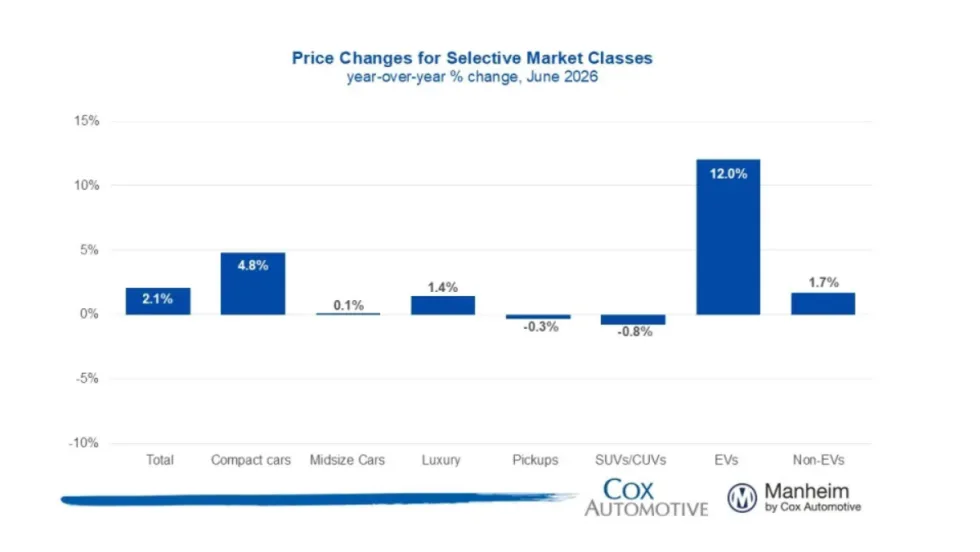
Manheim Index Shows Used-Vehicle Wholesale Prices Up 2.1% in June
The market is seeing stronger appreciation in older used vehicles this year, and the most affordable segments have been among the year’s best performers.
Read More →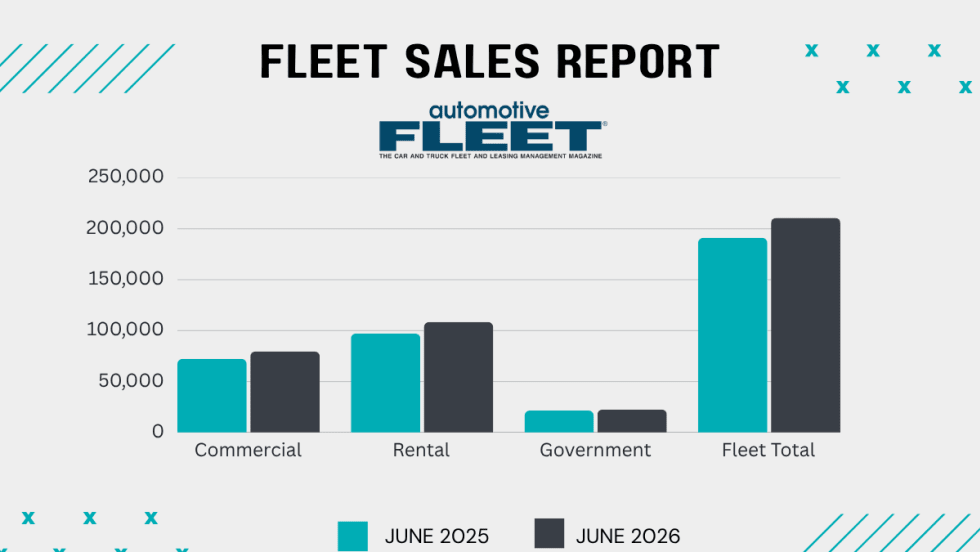
Commercial Fleet Sales Contribute To June, YTD Gains
The fleet sector has boosted its vehicle purchases at a reliable pace in the first half of this year compared with 1H 2025.
Read More →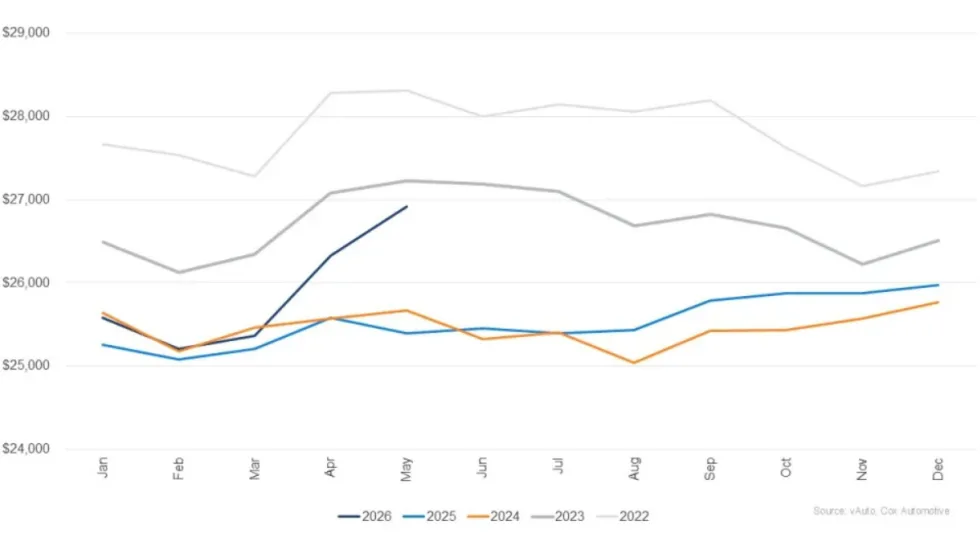
Used Vehicle Prices Climb Higher As Sales Pace Slows
The higher prices at used retail reflect strong wholesale values earlier in the spring, particularly for older, more affordable vehicles.
Read More →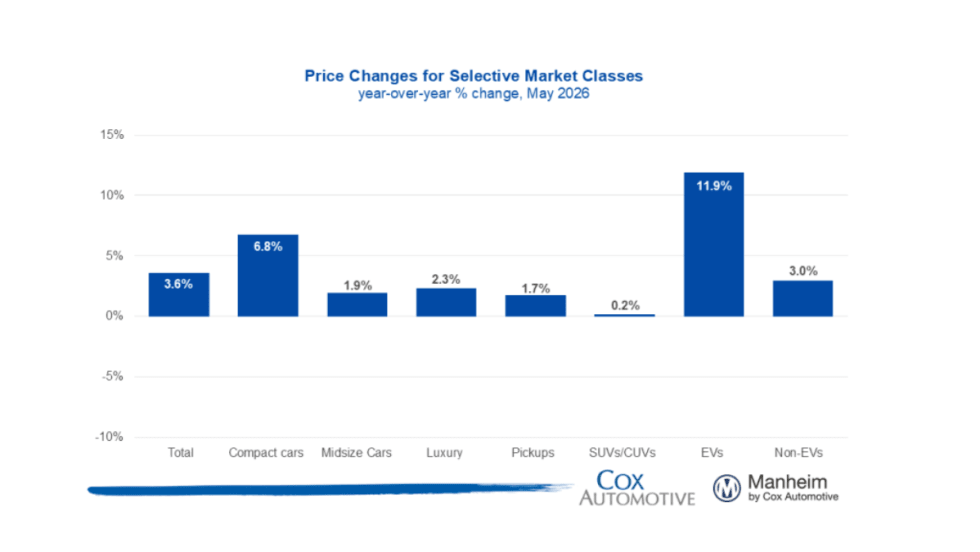
Wholesale Used Vehicle Market Sustains Moderate Rise In Values, Prices
Trends continue to normalize after a strong start to the year, as consumers contend with higher gas prices in the coming summer months.
Read More →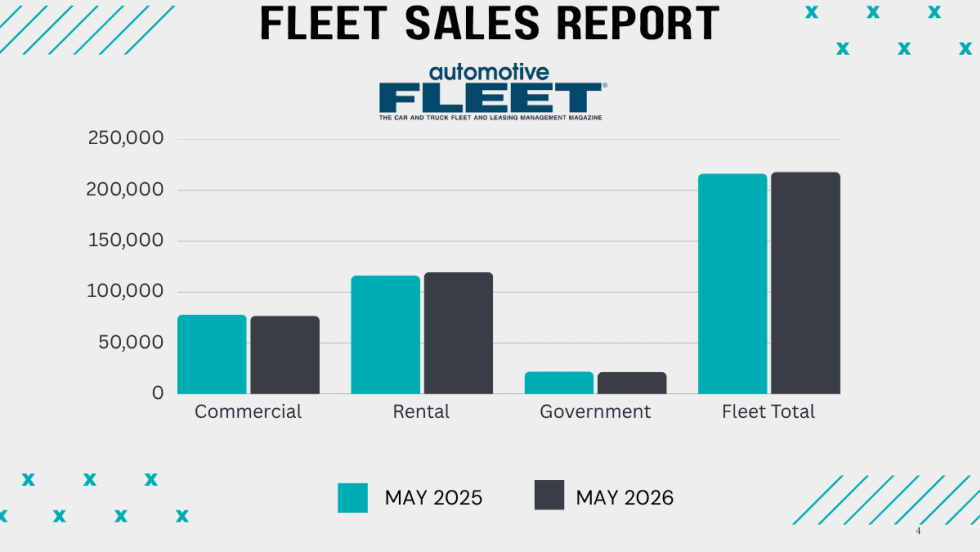
Commercial Fleet Sales Still Lead Sectors Despite May Mini Dip
The U.S. economy's continued growth and positive business investment are creating a favorable environment for fleet vehicle demand.
Read More →
How Connected Vehicle Data Is Lifting Fleet Resale Values
A vehicle health score could improve the value of fleet vehicles at remarketing. The path to a universal standard is forming, and fleets that understand the process early will be better positioned when it arrives.
Read More →