




J.D. Power Releases Personal Auto Insurance Study Measuring Customer Satisfaction
WESTLAKE VILLAGE, CA --- Customer satisfaction with the claims process depends on a handful of key factors, including managing expectations, showing empathy, ensuring convenient service and effective communication.
WESTLAKE VILLAGE, CA --- Customer satisfaction with the claims process depends on a handful of key factors, including managing expectations, showing empathy, ensuring convenient service and effective communication, according to the J.D. Power and Associates 2008 Auto Claims Satisfaction Study released Oct. 29.
The study does not include insurers specializing in commercial fleet insurance -- it just covers personal auto insurance providers.
The study measures the experiences of auto physical damage claimants by examining satisfaction with the claims process. Depending upon the complexity of a claim, the customer may experience all or only some of the following factors: claims settlement, service interaction, first notice of loss, repair process, and rental experience. The study finds that implementing 10 specific service practices has a considerable impact on overall satisfaction with the claims process. They are:
-- Answering all customer questions
-- Managing expectations regarding the settlement
-- Expressing genuine concern
-- Avoiding negotiated settlements
-- Providing flexible appraisal appointment
-- Returning phone calls
-- Sharing information between representatives
-- Providing proactive updates
-- Ensuring customer is at ease with claims process
-- Giving customers a time line and meeting it.
Only one in three auto insurance customers filing a claim report receiving all of the top service practices. Among these customers, satisfaction averages 919 on a 1,000-point scale, with 75 percent indicating they “definitely will” renew their coverage. This compares to only 21 percent of customers who received six or fewer service practices saying they “definitely will” renew with their insurer.
Additionally, satisfaction declines considerably among customers who only receive six or fewer key practices (594 points).
“Implementing these practices and enhancing the customer experience clearly has tremendous benefits for insurance providers through potentially increased renewal rates,” said Jeff Leiman, senior director of the insurance practice at J.D. Power and Associates. “For many auto claimants, filing a claim with their insurer can be a trying experience. Providing empathetic service and expressing genuine concern for the specifics of their personal situation, especially during the first notice of loss, is an absolute must in providing a satisfying experience.”
Auto-Owners ranks highest in providing a satisfying claims experience for auto insurance customers with a score of 864, the study found. Auto-Owners performs particularly well in the service interaction, settlement and repair process factors.
Amica Mutual follows in the ranking with a score of 860, performing particularly well in the first notice of loss factor, according to the study. State Farm ranks third overall with 851 points and performs well in service interaction. The Hartford (833) and COUNTRY (826) round out the top five ranked insurers in the 2008 study.
The 2008 Auto Claims Satisfaction Study is based on 11,671 responses from auto insurance customers who filed a claim within the past 12 months. The study excludes customers who only had glass/windshield, theft/stolen vehicle, roadside assistance or bodily injury claims. The study was fielded from July to August 2008.
More Safety

Nexar-Nauto Merger Aims to Give Fleets Better Safety Intelligence Through Larger Driving Dataset
Stefan Heck tells Automotive Fleet that combining more than 10 billion miles of driving history with Nexar's AI models will give fleets deeper insights into driver risk and roadway conditions than either company could provide independently.
Read More →
Don't Wait for a Crisis: 5 Ways to Build Mental Health Into Your Fleet Safety Program
For Suicide Prevention Month, fleet and safety leaders have an opportunity to put mental health where it belongs: at the center of workplace safety.
Read More →
How Camera Data Can Strengthen a Fleet’s Insurance Renewal
Insights from a commercial insurance carrier and a broker show how fleets can turn video telematic data, driver coaching, and improved claims results into a stronger case at insurance renewal.
Read More →
The Safest Fleets Aren’t the Ones with the Most Technology
You’ve made the telematics investment. Here’s how to capture the other half of its value and build the safest fleet on the road.
Read More →
Hidden in Plain Sight: Fleet Compliance Risks
Fleet compliance isn't just about having policies — it's about consistently enforcing them. This practical guide reveals six hidden compliance risks common in public sector and shared fleet operations and outlines proven strategies to improve visibility, accountability, and audit readiness
Read More →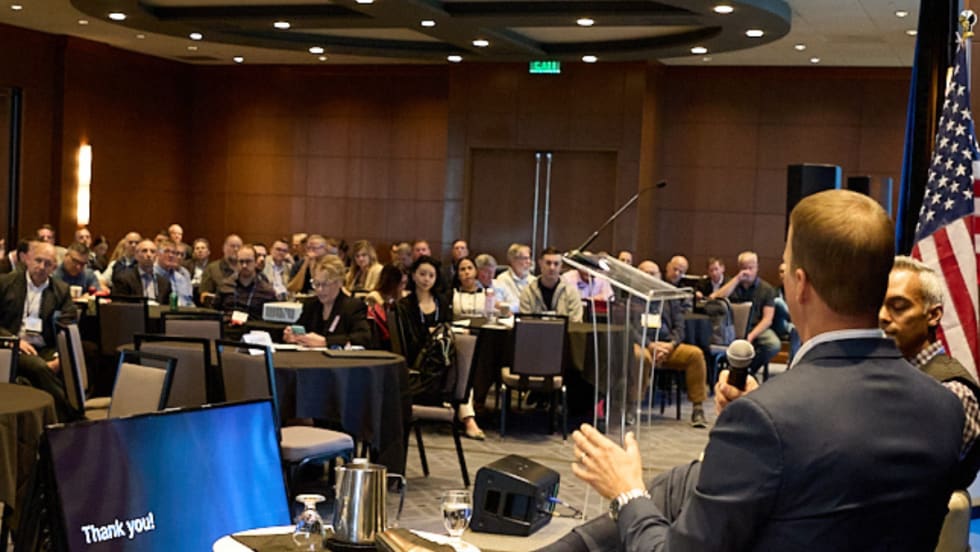
NETS Sets 2026 Fleet Safety Benchmark Conference for Indianapolis
The Sept. 15–17 program will feature fleet benchmarking data, case studies, emerging technologies, and implementation strategies while running alongside the NSC Safety Congress & Expo.
Read More →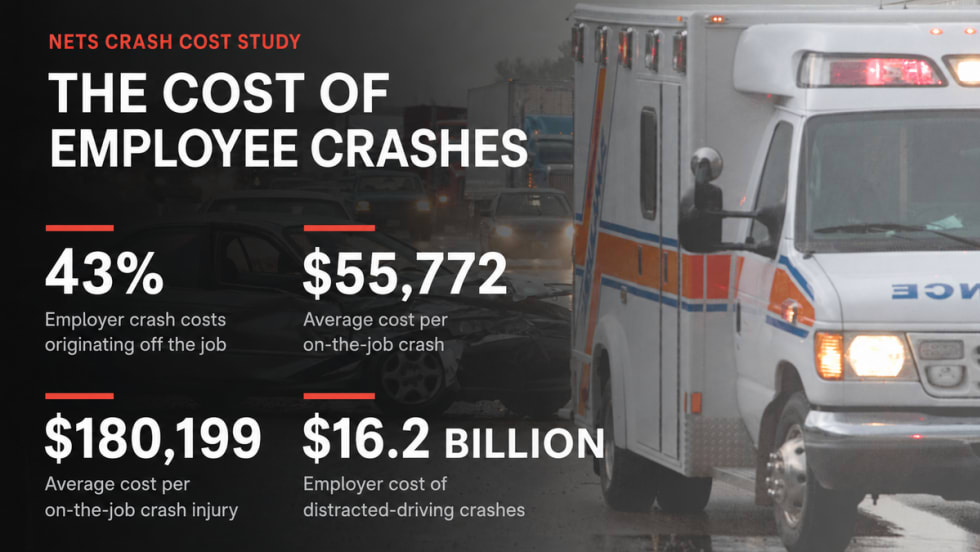
Off-the-Job Crashes Account for 43% of Employers’ $61.7 Billion Crash Burden
NETS quantifies costs dispersed across fleet, risk, HR, and other departments while providing new per-crash benchmarks for employers.
Read More →
Ram Recalls More Than 1.27 Million 1500 Pickups for Seat Belt Anchor Issue
The recall affects certain 2019-2026 Ram 1500 pickups that may have improperly attached second-row seat belt buckle anchors.
Read More →
How Better Visibility Cut Speeding Violations by 48%
Fleet leaders don't need more data, they need clearer visibility into what the data is saying. This case study explores how one utility replaced speeding-event counts with a single metric — miles driven in violation — to strengthen safety and significantly reduce speeding violations.
Read More →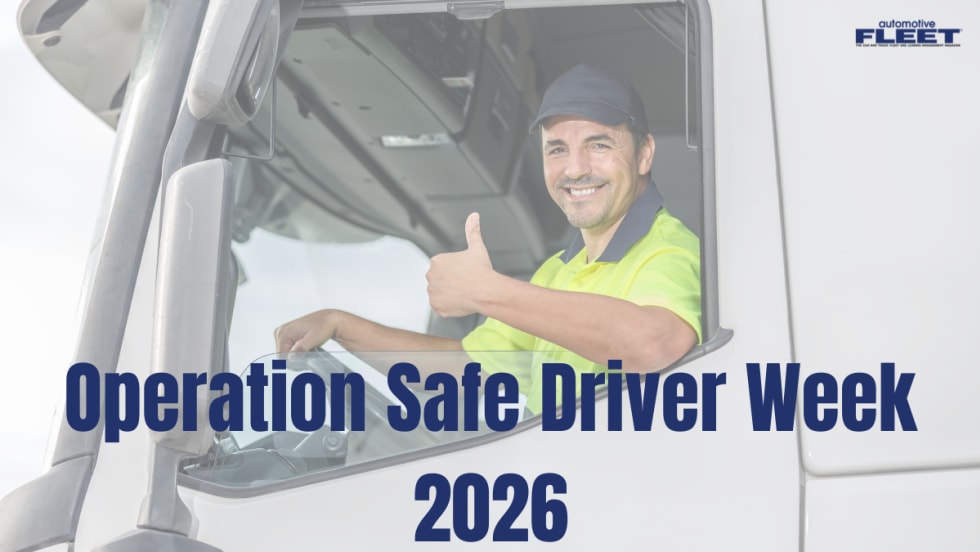
Operation Safe Driver Week: Why the Industry's Oldest Safety Campaign Still Matters to Fleets
A look at how a 2007 enforcement initiative became one of the most consequential weeks on the fleet safety calendar, and what it means for your drivers in 2026.
Read More →