




Related: Uber to End Self-Driving Vehicle Testing in Arizona
'Inadequate Safety Culture' to Blame for Uber's Automated Vehicle Crash
During a board meeting held to determine the probable cause of the March 2018 crash in Tempe, Ariz., the NTSB said an Uber Technologies Inc. division’s “inadequate safety culture” contributed to the fatal collision between an Uber automated test vehicle and a pedestrian.
by Staff
November 24, 2019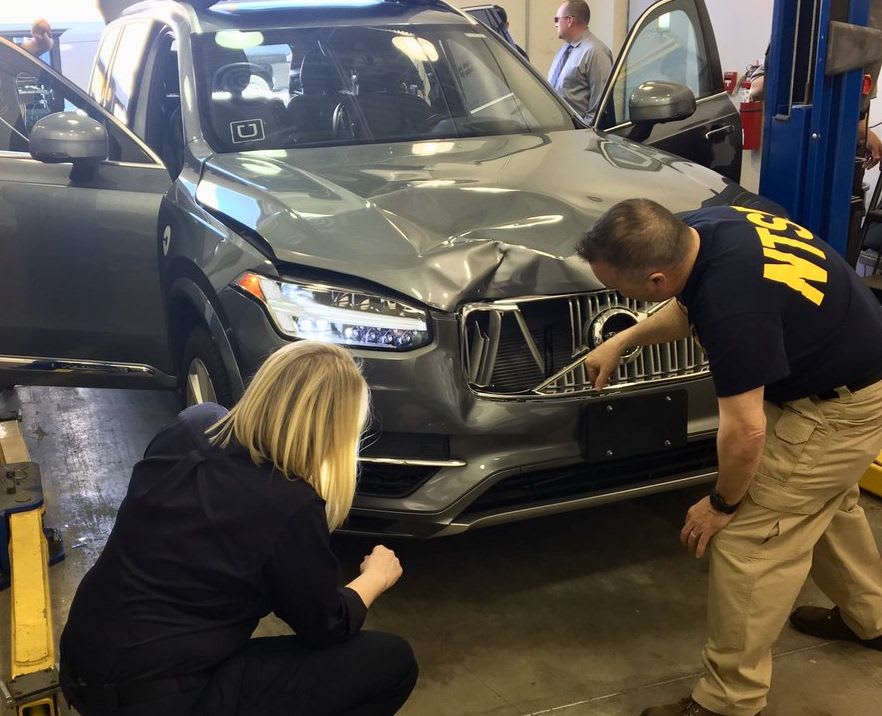
The pedestrian’s impairment at the time of the crash, coupled with crossing outside a crosswalk, contributed to the crash, as did the Arizona Department of Transportation’s insufficient oversight of automated vehicle testing, the NTSB found.
Photo via NTSB/Wikimedia.
3 min to read
The National Transportation Safety Board (NTSB) called upon federal regulators to create a review process before allowing automated test vehicles to operate on public roads, based upon the agency’s investigation of a fatal collision between an Uber automated test vehicle and a pedestrian.
During a board meeting held to determine the probable cause of the March 2018 crash in Tempe, Ariz., the NTSB said an Uber Technologies Inc. division’s “inadequate safety culture” contributed to the fatal collision between an Uber automated test vehicle and a pedestrian. The vehicle operator was uninjured in the crash, the pedestrian died.
Uber’s Advanced Technologies Group had modified the striking vehicle, a 2017 Volvo XC90, with a proprietary developmental automated driving system. The vehicle’s factory-installed forward collision warning and automatic emergency braking systems were deactivated during the operation of the automated system. An Uber ATG operator was in the driver’s seat, but the automated system was controlling the vehicle when it struck the pedestrian at 39 mph.
The NTSB determined the immediate cause of the collision was the failure of the Uber ATG operator to closely monitor the road and the operation of the automated driving system because the operator was visually distracted throughout the trip by a personal cell phone. Contributing to the crash was Uber ATG’s inadequate safety risk assessment procedures, ineffective oversight of the vehicle operators, and a lack of adequate mechanisms for addressing operators’ automation complacency — all consequences of the division’s inadequate safety culture.
The pedestrian’s impairment at the time of the crash, coupled with crossing outside a crosswalk, contributed to the crash, as did the Arizona Department of Transportation’s insufficient oversight of automated vehicle testing, the NTSB found.
Among the investigation’s findings:
The Uber ATG automated driving system detected the pedestrian 5.6 seconds before impact. Although the system continued to track the pedestrian until the crash, it never accurately identified the object crossing the road as a pedestrian — or predicted its path.
Had the vehicle operator been attentive, the operator would likely have had enough time to detect and react to the crossing pedestrian to avoid the crash or mitigate the impact.
While Uber ATG managers had the ability to retroactively monitor the behavior of vehicle operators, they rarely did so. The company’s ineffective oversight was exacerbated by its decision to remove a second operator from the vehicle during testing of the automated driving system.
Uber ATG made several changes to address the deficiencies identified, including implementation of a safety management system.
The NTSB issued a total of six recommendations to the National Highway Traffic Safety Administration, the state of Arizona, the American Association of Motor Vehicle Administrators, and Uber ATG.
The NTSB recommended that NHTSA require entities wishing to test a developmental automated driving system on public roads to submit safety self-assessment plans before being allowed to begin or continue testing and that NHTSA should review the plans to ensure they include appropriate safeguards.
This article was originally posted on Metro Magazine.
More Fleet Forward
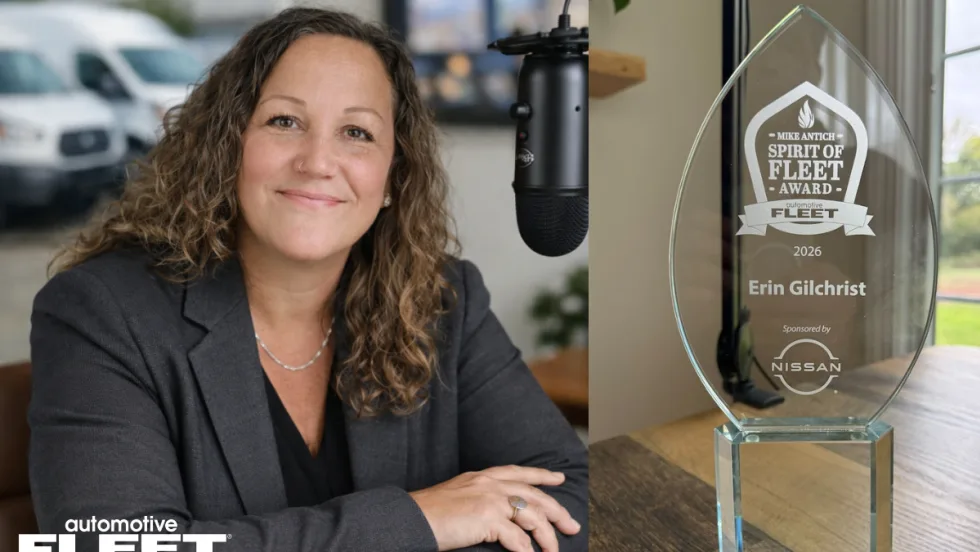
Erin Gilchrist Receives Mike Antich Spirit of Fleet Award
Last week at AFLA in Vegas, Erin Gilchrist received the inaugural, brand-new Spirit of Fleet Award.
Read More →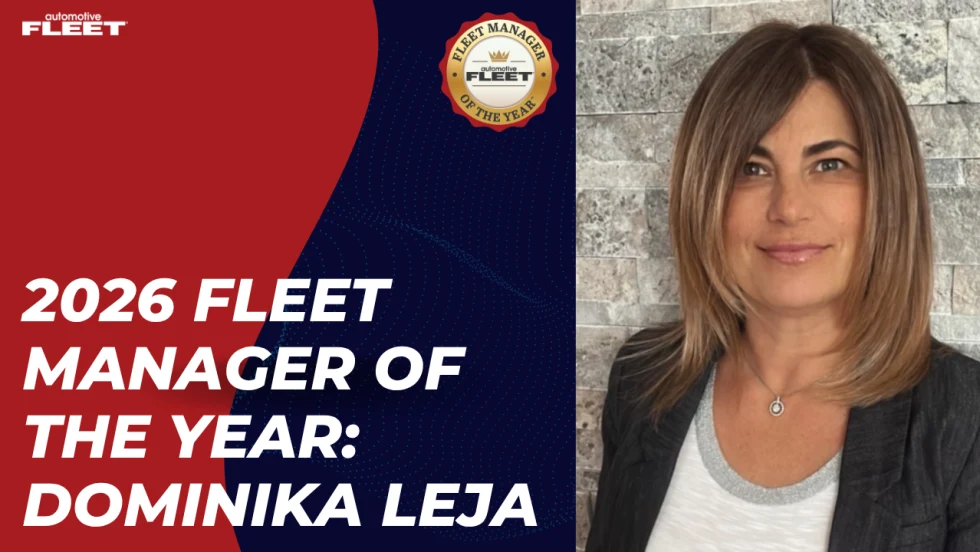
Dominika Leja Named the 2026 Fleet Manager of the Year
The AstraZeneca associate director of fleet was recognized for her leadership in fleet electrification, cost savings, and operational transformation.
Read More →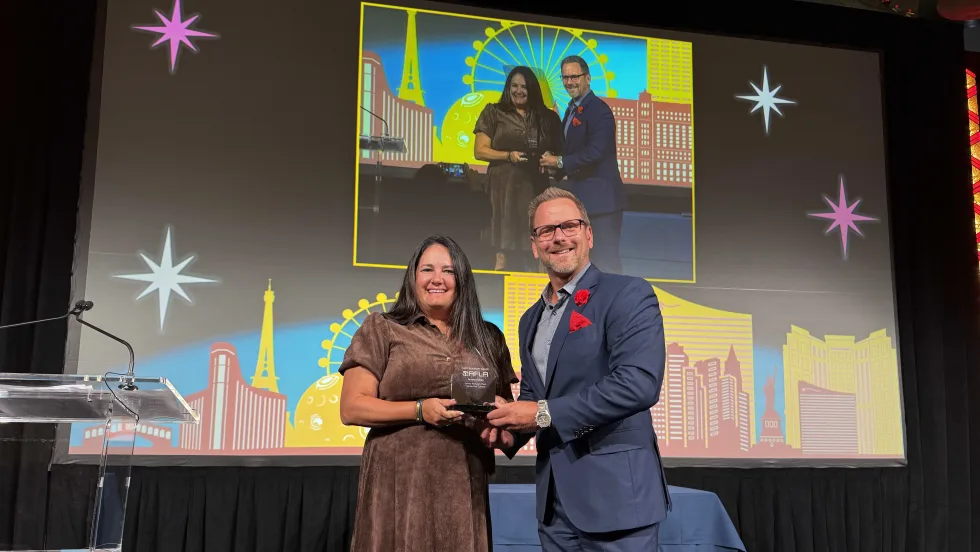
Jamie McKay Named the 2026 Fleet Visionary Award Winner
The Aptive Pest Control fleet manager was recognized for her approach to operations, data, lifecycle management, and driver needs.
Read More →
Fleet Forward Conference Introduces One-Day Passes for 2026
New one-day registration gives fleet professionals the flexibility to attend Tuesday, Wednesday, or Thursday, with passes available for $199 through Sept. 18.
Read More →
Vibe Coding: When Fleet Managers Become Software Builders
Five fleet professionals — none with programming skills — discuss how they’re using AI to build fleet solutions in-house and in a fraction of the time.
Read More →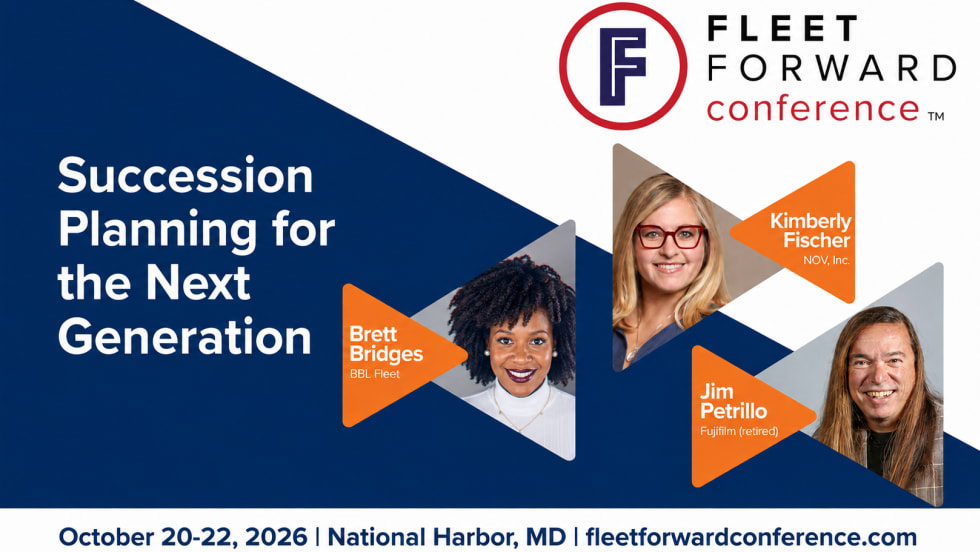
Fleet Forward Conference Tackles Fleet Industry’s Growing Leadership Gap
This session will examine succession planning, knowledge transfer, and the skills the next generation of fleet leaders will need as veteran professionals leave the industry.
Read More →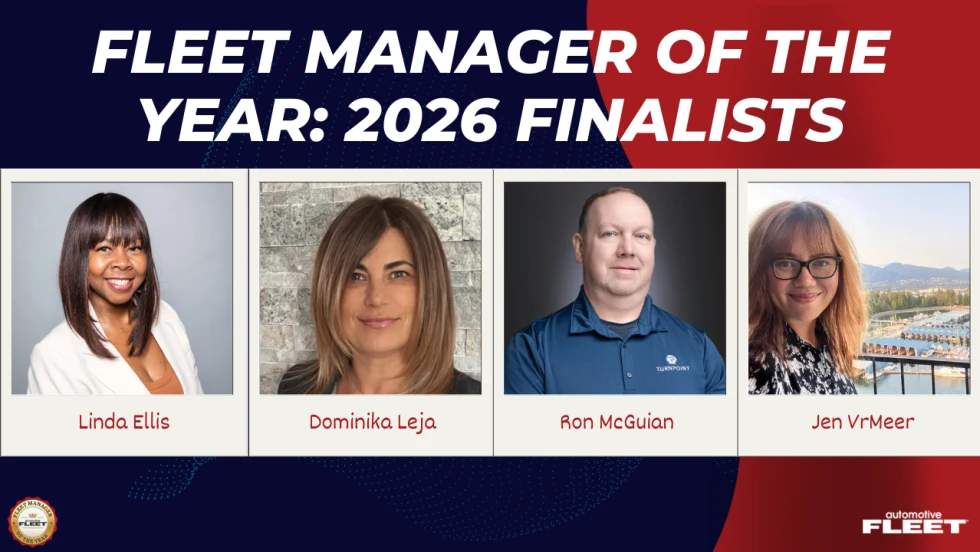
2026 Fleet Manager of the Year Finalists Announced
Who are the 2026 Fleet Manager of the Year finalists?
Read More →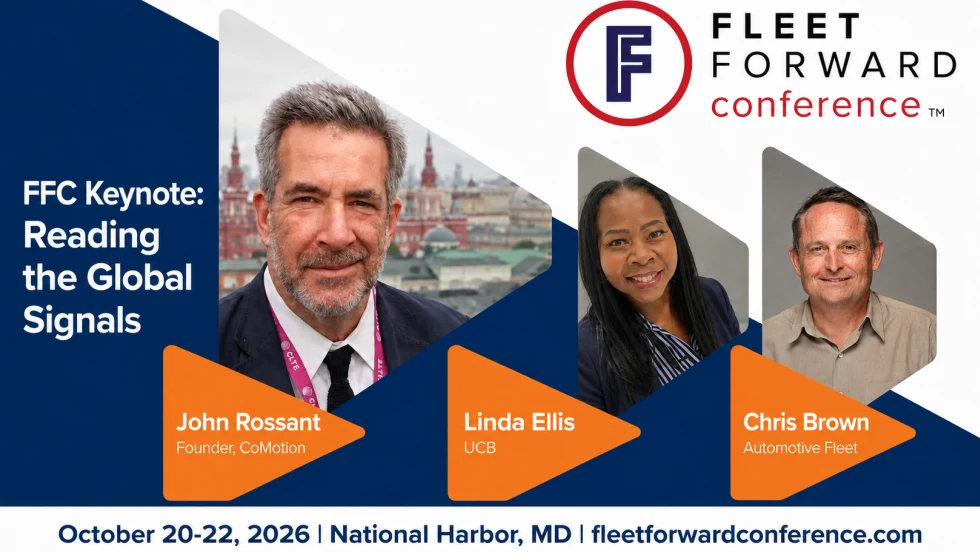
John Rossant to Deliver Opening Keynote at 2026 Fleet Forward Conference
The CoMotion founder will draw on developments across Europe, China, the Middle East, and other international markets to identify trends that could influence how U.S. fleets plan for the coming decade.
Read More →
How to Build Custom Fleet Tools With AI and Vibe Coding [Webinar]
A new Automotive Fleet webinar explores how fleet managers are using AI and vibe coding to automate routine work and create simple operational tools without traditional programming skills.
Read More →