




Ignition Interlocks Helping Lower Drunk Driving Fatalities
In-vehicle breathalyzers have halted alcohol-impaired drivers from starting their engines over 3 million times in the past 12 years, according to data collected from 11 ignition interlock manufacturers and evaluated by Mother's Against Drunk Driving (MADD).

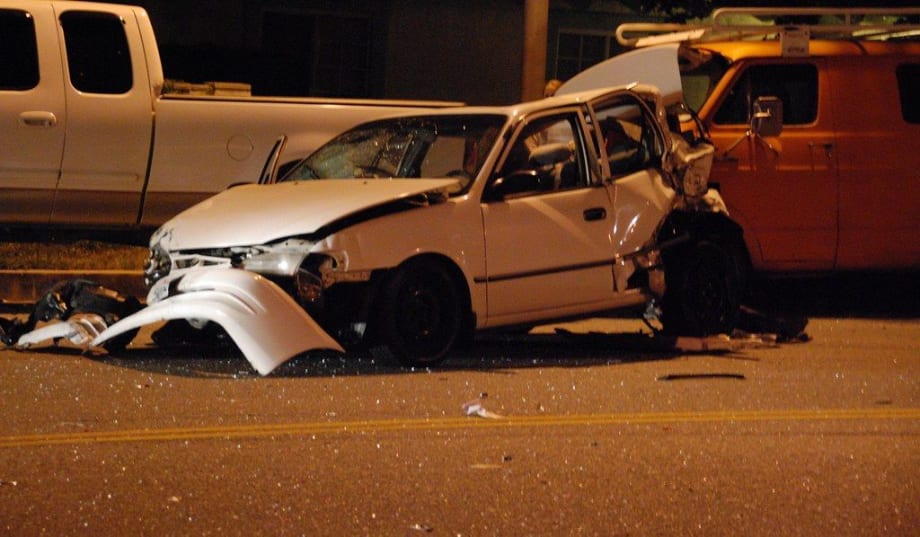
Ignition interlocks are significantly reducing drunk driving, according to new data from MADD.
Photo via Chris Yarzab/Flickr.
In-vehicle breathalyzers have halted alcohol-impaired drivers from starting their engines over 3 million times in the past 12 years, according to data collected from 11 ignition interlock manufacturers and evaluated by Mother's Against Drunk Driving (MADD).
MADD credits the use of ignition interlocks as a key contributing factor to the reduced rate of drunk driving fatalities. Specifically, drunk driving deaths have decreased by 19% since 2006, according to the new report — despite the fact that people are driving more now than they did 12 years ago.
In 2018 alone, ignition interlocks stopped almost 348,000 attempts on the part of motorists nationwide to drive drunk.
The new report identifies the states that experienced the most drunk-driving attempts prevented by an ignition interlock in 2018. Wisconsin led the way with 41,148 drunk-driving attempts prevented followed by Texas with 32,850. Other states that ranked among the top five for preventing impaired driving using an interlock include California with 24,459, Iowa with 14,961 and Arkansas with 14,727 drunk-driving preventions.
The report comes just prior to Memorial Day weekend — one of the deadliest holidays on the nation's roadways, in part, due to drivers who over-indulgence at beaches and backyard barbeques.
MADD believes the nation's roadways are far safer thanks to ignition interlock legislation.
Today, 33 states and Washington, D.C., have all-offender ignition interlock laws, and states have made improvements to their laws year after year. In 2019, Kentucky became the 33rd state to enact an all-offender law. Similar legislation is pending in California, Massachusetts, Michigan, New Jersey, South Carolina and Wisconsin.
More Safety

Does Your Fleet's Culture Encourage Distracted Driving?
What happens when the people responsible for enforcing safety rules are the ones setting the wrong example? The answer may reveal why some of the biggest risks to fleet drivers have little to do with what's written in the employee handbook.
Read More →
Fleet Manager’s Ultimate Playbook: Navigating the New Standard in OEM Connectivity
Rising operating costs, driver safety concerns, and unplanned downtime are putting unprecedented pressure on modern fleets. Discover how fleet managers use embedded OEM connectivity and real-time vehicle data to cut TCO, prevent downtime, and protect drivers without aftermarket telematics hardware.
Read More →
From Driver Well-Being to EV Charging | AF News Recap
Mental health belongs in the fleet safety conversation. This week, we’re looking at five ways fleets can support employee well-being before a crisis, plus Holman’s expansion in Mexico, new one-day Fleet Forward passes, and why EV charging demand is outpacing infrastructure growth.
Read More →
Nexar-Nauto Merger Aims to Give Fleets Better Safety Intelligence Through Larger Driving Dataset
Stefan Heck tells Automotive Fleet that combining more than 10 billion miles of driving history with Nexar's AI models will give fleets deeper insights into driver risk and roadway conditions than either company could provide independently.
Read More →
Don't Wait for a Crisis: 5 Ways to Build Mental Health Into Your Fleet Safety Program
For Suicide Prevention Month, fleet and safety leaders have an opportunity to put mental health where it belongs: at the center of workplace safety.
Read More →
How Camera Data Can Strengthen a Fleet’s Insurance Renewal
Insights from a commercial insurance carrier and a broker show how fleets can turn video telematic data, driver coaching, and improved claims results into a stronger case at insurance renewal.
Read More →
The Safest Fleets Aren’t the Ones with the Most Technology
You’ve made the telematics investment. Here’s how to capture the other half of its value and build the safest fleet on the road.
Read More →
Hidden in Plain Sight: Fleet Compliance Risks
Fleet compliance isn't just about having policies — it's about consistently enforcing them. This practical guide reveals six hidden compliance risks common in public sector and shared fleet operations and outlines proven strategies to improve visibility, accountability, and audit readiness
Read More →
NETS Sets 2026 Fleet Safety Benchmark Conference for Indianapolis
The Sept. 15–17 program will feature fleet benchmarking data, case studies, emerging technologies, and implementation strategies while running alongside the NSC Safety Congress & Expo.
Read More →
Off-the-Job Crashes Account for 43% of Employers’ $61.7 Billion Crash Burden
NETS quantifies costs dispersed across fleet, risk, HR, and other departments while providing new per-crash benchmarks for employers.
Read More →