





Further Reading: Improving and Extending the Life Cycle of Your Fleet
Have Fleet Extensions Changed Fleet Replacement Cycles for Good?
According to fleet management provider FleetCheck, fleets have been adding at least a year to their replacement cycles while some have extended operational lifecycles even further.
April 25, 2022

Golding notes that extending operational periods introduces additional considerations for the fleet manager, particularly around maintenance and HR (human resources).
[EMPTY CREDIT]
3 min to read
The combined effects of the pandemic and the delay in new vehicle replacement times may have completely changed the fleet replacement cycle as fleets weigh up the changes forced on them from external factors.
The traditional fleet cycle has centered around cars being changed every three to four years. Commercial vehicles are usually changed every four to five years. But with changes in working patterns to a more hybrid home/workplace routine (plus the lack of actual mileage during various pandemic-induced lockdowns) along with the shortage of replacement vehicles, these traditional fleet cycles are now being reevaluated.

[EMPTY CREDIT]
According to fleet management provider FleetCheck, fleets have been adding at least a year to these replacement cycles while some have extended operational lifecycles further still.
Peter Golding, managing director at FleetCheck, said, “What has become clear over the last few months is that the fleets we work with do not view these extensions as a one-off. In the future, they plan to operate vehicles for longer on an ongoing basis.”
Extending operational periods introduces additional considerations for the fleet manager, however, centering around maintenance and HR (human resources).
“The maintenance aspect applies to any replacement cycle,” said Golding. “The longer you operate a vehicle, the more potential there is for things to go wrong. This means that your service and maintenance policies need to be watertight.
“For a start, moving beyond three years takes most cars and vans beyond the manufacturer warranty as well as moving you into the first MOT. This creates a number of potential cost and safety points that will need to be carefully managed. Also, there is certainly a tendency for the cost of keeping a car or van on the road to escalate as it enters year four. There needs to be consideration given to the impact on not just whole life costs for owned vehicles but monthly rates for leased ones.”
Golding believes that to ensure effective fleet management, fleets will require realtime data insights while also constantly ensuring vehicle roadworthiness to make extended lifecycles fully risk-managed.
“Additionally, the HR angle is very particular to each employer but, in some industries and some job roles, it is very much expected that a new car will be provided every three years,” added Golding. “At a time when recruitment and retention is markedly difficult, this is a genuine issue.”
It will certainly require that the fleet manager engages all stakeholders to ensure buy-in to these new vehicle running periods, and should they be implemented, to ensure there is no adverse employee retention kickback.
Golding also added that the arrival of electric vehicles (EVs) had also impacted reconsideration of lifecycle management. He concluded:
“There is a general perception, which appears to be correct based on our experiences to date, that EVs undergo less wear and tear than their petrol and diesel counterparts, and are likely to remain in a better mechanical condition for longer.”
More Global Fleet
GeoFencing Adds to Your Truck Security Arsenal
Geofencing is a familiar fleet tool today, but its early adoption marked a major shift in vehicle tracking, route monitoring, and the debate over employee privacy.
Read More →
Holman Takes Full Ownership of ARIZA in Mexico
Holman is bringing its Mexican fleet management operation fully under its own brand after more than 30 years as a joint venture. The change gives multinational fleet customers a single Holman operation across the U.S., Canada, and Mexico.
Read More →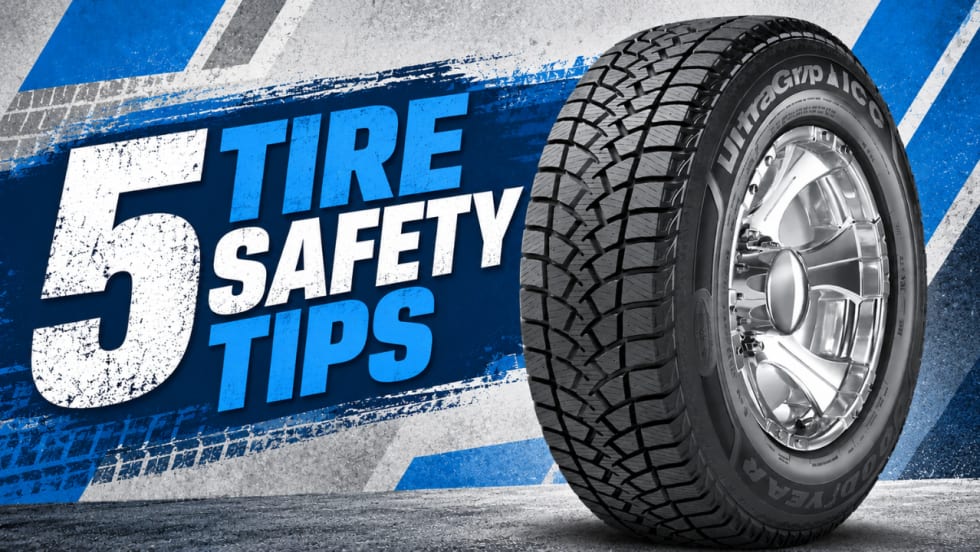
5 Tire Maintenance Tips to Help Prevent Work Truck Downtime
Regular tire checks can do more than extend tread life. These five maintenance practices can help work truck fleets catch problems early, reduce costs, and prevent downtime.
Read More →

Proven Ways to Reduce Work Truck Downtime
The age-old problem of downtime will always be a reality, but with new strategies at hand, fleets have more ways to keep trucks on the road longer.
Read More →


Cameras, Safety and Insurance: From Reactive Claims to Real-Time Prevention (Part 2 of 2)
Part Two: Commercial auto remains one of the most challenging and costly lines of coverage for fleet operators and insurers alike. Continue learning more about how to effectively address these issues from Onur Aksan, Enterprise Business Development Executive, Geotab
Read More →
Cameras, Safety and Insurance: From Reactive Claims to Real-time Prevention
Commercial auto remains one of the most challenging and costly lines of coverage for fleet operators and insurers alike. Learn more about how to effectively address these issues from Onur Aksan, Enterprise Business Development Executive, Geotab.
Read More →
Fleet Costs Are Rising: Here’s How Leaders Are Responding
Fleet leaders are under pressure to reduce costs, adapt to economic uncertainty, and make smarter decisions. See how peers across North America are responding with real data, proven strategies, and forward-looking insights. Download the 2026 Market Pulse Report to benchmark your strategy and uncover where you can gain an edge.
Read More →
Enterprise Fleet Management Surpasses 900,000 Vehicles in U.S. & Canada
Enterprise Mobility connects with mobility solutions around the globe
Read More →