




GM Says Fuel Cell Cars Offer Solution to Greenhouse Gas Emissions
In a European study that parallels one done in the U.S. in 2001, researchers found that fuel cell vehicles using hydrogen produced from natural gas could present an attractive solution to cutting greenhouse gas emissions.

In a European study that parallels one done in the U.S. in 2001, researchers found that fuel cell vehicles using hydrogen produced from natural gas could present an attractive solution to cutting greenhouse gas emissions. The study, produced by General Motors with input from various energy companies and a leading research institute, assessed fuel sources, processing techniques and propulsion systems. A principal finding of the study was that fuel cell vehicles using hydrogen could be the solution, depending upon the source of the natural gas. Optimum results are achieved when renewable energies such as biomass or wind power are used to produce the hydrogen. The project was a sequel to the North American Well-to-Wheels study published by GM, BP, ExxonMobil, Shell and Argonne National Labs last year analyzing the impact of energy sources and alternative propulsion systems in North America. In that study, a Chevrolet Silverado pickup was used as a reference vehicle. The results of the current study, based on European driving conditions and the Opel Zafira minivan, were that: -- On a well-to-wheel greenhouse gas emissions basis, the best use for natural gas was to reform it to obtain hydrogen for use in hydrogen fuel cell vehicles. -- To a lesser extent, natural gas offered improvements relative to conventional gasoline and diesel systems when used to fuel compressed natural gas vehicles. -- The use of hydrogen from natural gas in internal combustion engines actually produces poorer well-to-wheel results than do conventional gasoline engines. -- When natural gas was used to produce methanol for an on-board reformer fuel cell vehicle, no well-to-wheel benefits were seen relative to conventional gasoline or diesel internal combustion engine vehicles or gasoline reformer fuel cell vehicles.
More Operations

The Top 300 Commercial Fleets
The Top 300 Commercial Fleets: See the List
Read More →

Your Local Dealer Knows More Than You Think
Your local dealer can provide an information advantage that extends well beyond courtesy deliveries.
Read More →


Fleet Meets: Austin Schutte
Here are some industry insights, personal touches, and words of advice from the CEO and Founder of Anew Solutions.
Read More →
Soap Box Derby Challenge: What’s Powering Team Brown
The car is coming together, the students are solving real build problems, and the fleet industry is helping push Team Brown toward the starting line.
Read More →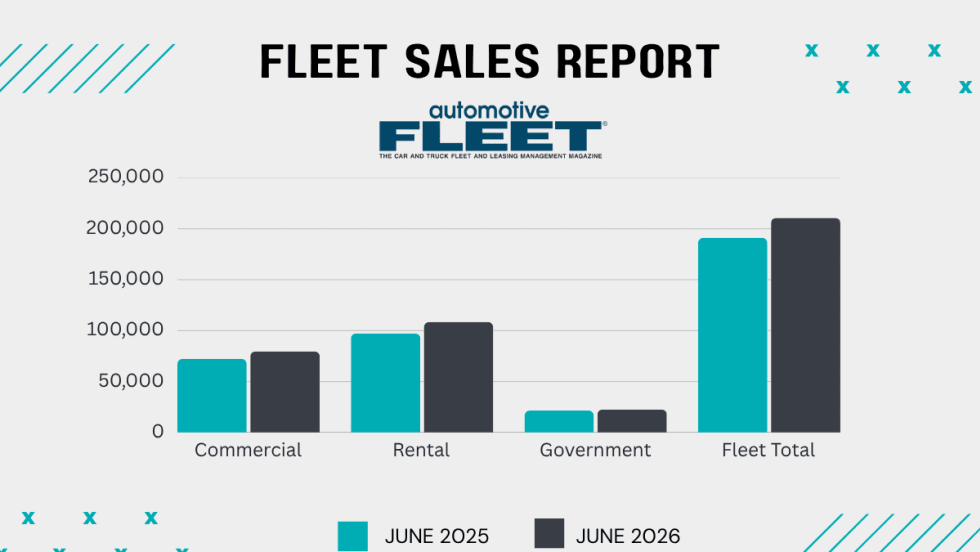
Commercial Fleet Sales Contribute To June, YTD Gains
The fleet sector has boosted its vehicle purchases at a reliable pace in the first half of this year compared with 1H 2025.
Read More →
What Fleet Managers Really Want From Vendors
From customer service frustrations and technology breakdowns to RFQs, change management, and the growing impact of turnover across the industry, this conversation pulls back the curtain on the real operational challenges fleet managers are navigating every day.
Read More →
Fleet Safety Masterclass: Industry Leaders on Storytelling, Strategy & Innovation
In this special masterclass episode, industry leaders break down what it really takes to build safer fleets in today’s increasingly distracted and data-driven world.
Read More →
Integrating Legacy Fleet Systems and Historical Data
In this episode, we bring together fleet and technology leaders to unpack the realities of data integration, system migrations, and the evolving role of AI in fleet management.
Read More →
From Resistance to Results: Change Management Strategies for Fleets
From new technologies and safety programs to evolving regulations, fleets are under constant pressure to adapt. But as Dr. Betz explains, success isn’t about the system you implement—it’s about whether your people actually use it.
Read More →