





More on EVs: ACEA Analysis Sees European EV Market Leading World by 2030
Global Fleet Advisory Board Examines EVs & Pricing
Crystal clear to fleet managers at the GFAB gathering was that supply and lack of pricing guarantee was causing real pain — especially with long-standing fleet-OEM relationships.
February 20, 2023
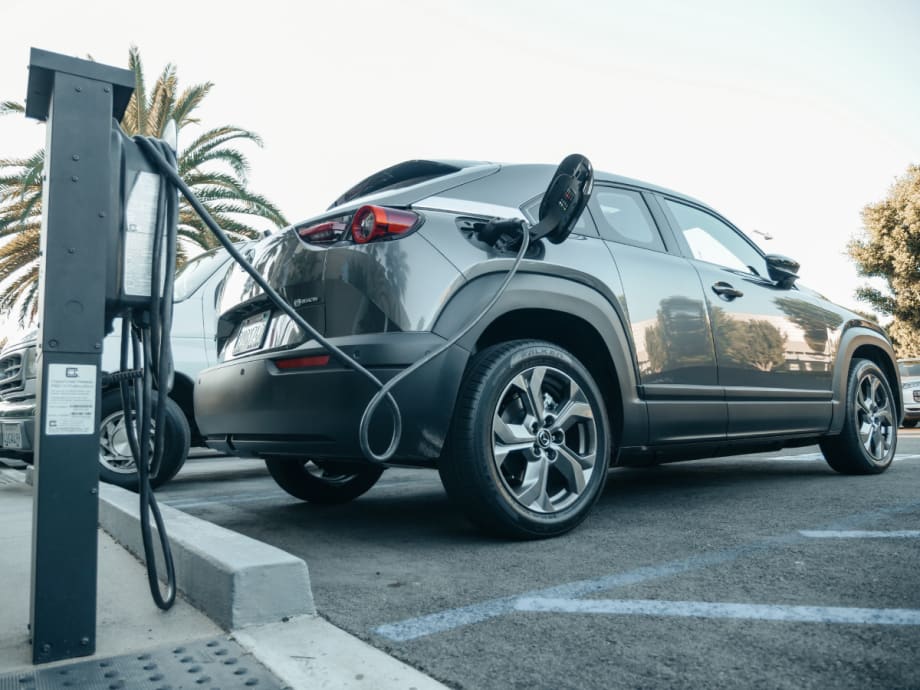
Board member opinions were divided on whether incentives would return any time soon, particularly for EVs.
Photo: Kindel Media
2 min to read
The recent Global Fleet Advisory Board (GFAB) meeting, hosted by Automotive Fleet/Global Fleet editor Mike Antich, considered whether increasing volumes of EVs would widen pricing gaps between fleet suppliers.
The ensuing discussion was certainly wide-ranging, but what was crystal clear to fleet managers present was that supply and lack of pricing guarantee was causing real pain — especially with long-standing relationships.
While it was suggested that better communication might help matters, this was quickly dismissed by participants as “wishful thinking” with OEMs “continuing to do what they want to do.”
Opinion was also divided on whether incentives would return any time soon, particularly around EVs.

Photo: Tom Armstrong
The discussion then took a turn on to the actual “greenness” of EVs with Tom Armstrong (TK Elevators) saying he was looking to run F-150 Lightnings for seven years rather than four, in part to ameliorate the cost and to ensure the greater length of time improved the carbon footprint of the vehicles.

Photo: Ross Stewart
Mark Peabody (3M) said implementing EV expansion in Europe was a slow and methodical process with plenty to consider — “We’re looking at energy generation, particularly in Germany and how that energy is produced.”
Turning to the new wave of Chinese EVs, questions were raised about fleet suitability and how much impact they would have on the market as well as potential service, maintenance and repair (SMR) costs.
From Mexico’s point of view, the impact had been entirely positive, according to Javier Amozurrutia at MazMobi.

Photo: Javier Amozurrutia
“The number of Chinese vehicles were growing on fleet, funded through leasing companies which were pushing them strongly because of competitive TCO,” he said.
When questioned about SMR costs on these vehicles, Amozurrutia responded that an insurance company had been running 20 Chinese Jac brand EVs for 18 months and “was really happy with them.” He also added that BYD had a program with ride-hailing company Uber, “So you see them on the streets every day, and the performance is really good.”
Tracey Swanson (FortisBC) added, as a concluding remark to the meeting, that “China will put some competitive pressure on the mainstream brands” — which may be just the thing to bring OEM incentives back for fleets.
More Global Fleet

GeoFencing Adds to Your Truck Security Arsenal
Geofencing is a familiar fleet tool today, but its early adoption marked a major shift in vehicle tracking, route monitoring, and the debate over employee privacy.
Read More →
Holman Takes Full Ownership of ARIZA in Mexico
Holman is bringing its Mexican fleet management operation fully under its own brand after more than 30 years as a joint venture. The change gives multinational fleet customers a single Holman operation across the U.S., Canada, and Mexico.
Read More →
5 Tire Maintenance Tips to Help Prevent Work Truck Downtime
Regular tire checks can do more than extend tread life. These five maintenance practices can help work truck fleets catch problems early, reduce costs, and prevent downtime.
Read More →

Proven Ways to Reduce Work Truck Downtime
The age-old problem of downtime will always be a reality, but with new strategies at hand, fleets have more ways to keep trucks on the road longer.
Read More →


Cameras, Safety and Insurance: From Reactive Claims to Real-Time Prevention (Part 2 of 2)
Part Two: Commercial auto remains one of the most challenging and costly lines of coverage for fleet operators and insurers alike. Continue learning more about how to effectively address these issues from Onur Aksan, Enterprise Business Development Executive, Geotab
Read More →
Cameras, Safety and Insurance: From Reactive Claims to Real-time Prevention
Commercial auto remains one of the most challenging and costly lines of coverage for fleet operators and insurers alike. Learn more about how to effectively address these issues from Onur Aksan, Enterprise Business Development Executive, Geotab.
Read More →
Fleet Costs Are Rising: Here’s How Leaders Are Responding
Fleet leaders are under pressure to reduce costs, adapt to economic uncertainty, and make smarter decisions. See how peers across North America are responding with real data, proven strategies, and forward-looking insights. Download the 2026 Market Pulse Report to benchmark your strategy and uncover where you can gain an edge.
Read More →
Enterprise Fleet Management Surpasses 900,000 Vehicles in U.S. & Canada
Enterprise Mobility connects with mobility solutions around the globe
Read More →