




General Motors to Debut New Airbag Technology
DETROIT — General Motors Corp. is introducing a new front passenger airbag that deploys differently based on the severity of the crash, where the seat is and whether the passenger is wearing a seatbelt, according to the Associated Press.
DETROIT — General Motors Corp. is introducing a new front passenger airbag that deploys differently based on the severity of the crash, where the seat is and whether the passenger is wearing a seatbelt, according to the Associated Press. The company unveiled the new air bags February 9 at the Chicago Auto Show. They will be standard on two luxury sedans, the 2006 Buick Lucerne and the 2006 Cadillac DTS, which will go on sale this fall. GM spokeswoman Meganne Hausler said the company eventually plans to introduce the air bag on other vehicles. GM said the airbag is the first of its kind in the industry. The government is requiring all vehicles made after Sept. 1, 2006, to have advanced air bag systems, which determine how much to inflate the frontal airbags based on the passenger's weight, seatbelt use, and seating position. Conventional advanced airbags inflate to a single size but adjust the air pressure according to the passenger's weight, position, and belt status. GM said its airbag goes further by adjusting both the size of the bag and the pressure. Robert Lange, GM's director of structure and safety, said early testing indicates the airbags could improve GM's ratings in frontal crash tests. Several GM vehicles already have advanced air bag technology, including the Cadillac Escalade, the Chevrolet Avalanche, Silverado and Suburban, and the GMC Yukon. GM's new airbag has a tether that holds the bag back to a smaller size if it detects the passenger is seated too close, unbelted or could otherwise be injured. The tether releases if the passenger is far enough back and belted. GM said it takes the vehicle's sensors only milliseconds to determine whether to unleash the full pressure. Brian O'Neill, president of the Insurance Institute for Highway Safety, said he hasn't seen technology like GM's before. He said one issue with advanced airbags has been false signals — such as a heavy bag on a seat — which automatically turns the passenger air bag off. He said manufacturers are so wary of harming passengers that they may err on the side of not letting bags deploy. He said GM's option of a smaller airbag could help that problem. "It will more often be able to deploy the passenger side airbag without doing harm, so there's a safety gain where it might have been turned off," O'Neill said. The unveiling was GM's second major safety announcement in two weeks. The company said on Jan. 31 that it plans to put two safety features — OnStar and electronic stability control — in all of its vehicles by 2010.
More Safety

From Driver Well-Being to EV Charging | AF News Recap
Mental health belongs in the fleet safety conversation. This week, we’re looking at five ways fleets can support employee well-being before a crisis, plus Holman’s expansion in Mexico, new one-day Fleet Forward passes, and why EV charging demand is outpacing infrastructure growth.
Read More →
Nexar-Nauto Merger Aims to Give Fleets Better Safety Intelligence Through Larger Driving Dataset
Stefan Heck tells Automotive Fleet that combining more than 10 billion miles of driving history with Nexar's AI models will give fleets deeper insights into driver risk and roadway conditions than either company could provide independently.
Read More →
Don't Wait for a Crisis: 5 Ways to Build Mental Health Into Your Fleet Safety Program
For Suicide Prevention Month, fleet and safety leaders have an opportunity to put mental health where it belongs: at the center of workplace safety.
Read More →
How Camera Data Can Strengthen a Fleet’s Insurance Renewal
Insights from a commercial insurance carrier and a broker show how fleets can turn video telematic data, driver coaching, and improved claims results into a stronger case at insurance renewal.
Read More →
The Safest Fleets Aren’t the Ones with the Most Technology
You’ve made the telematics investment. Here’s how to capture the other half of its value and build the safest fleet on the road.
Read More →
Hidden in Plain Sight: Fleet Compliance Risks
Fleet compliance isn't just about having policies — it's about consistently enforcing them. This practical guide reveals six hidden compliance risks common in public sector and shared fleet operations and outlines proven strategies to improve visibility, accountability, and audit readiness
Read More →
NETS Sets 2026 Fleet Safety Benchmark Conference for Indianapolis
The Sept. 15–17 program will feature fleet benchmarking data, case studies, emerging technologies, and implementation strategies while running alongside the NSC Safety Congress & Expo.
Read More →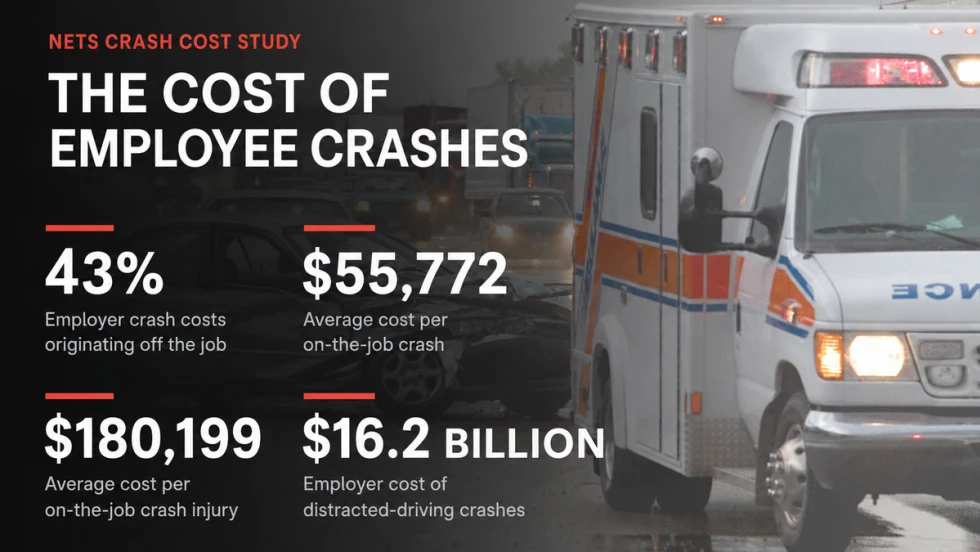
Off-the-Job Crashes Account for 43% of Employers’ $61.7 Billion Crash Burden
NETS quantifies costs dispersed across fleet, risk, HR, and other departments while providing new per-crash benchmarks for employers.
Read More →
Ram Recalls More Than 1.27 Million 1500 Pickups for Seat Belt Anchor Issue
The recall affects certain 2019-2026 Ram 1500 pickups that may have improperly attached second-row seat belt buckle anchors.
Read More →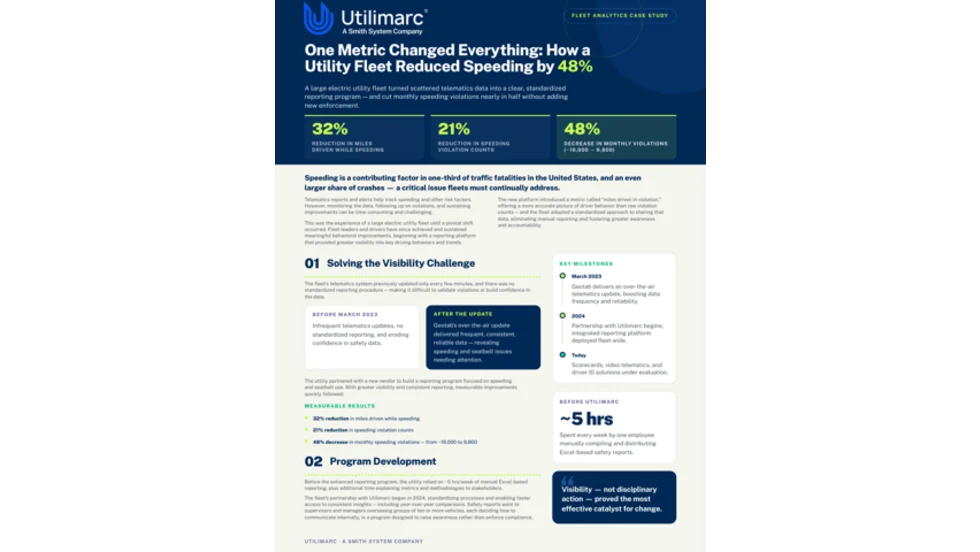
How Better Visibility Cut Speeding Violations by 48%
Fleet leaders don't need more data, they need clearer visibility into what the data is saying. This case study explores how one utility replaced speeding-event counts with a single metric — miles driven in violation — to strengthen safety and significantly reduce speeding violations.
Read More →