




Ford Reports Narrower 3rd Quarter Loss
Ford Motor Co., which continues to cut costs while fighting extreme pricing competition in the United States, reported a narrower loss in the third quarter, strengthened by results from its financial services arm.
Ford Motor Co., which continues to cut costs while fighting extreme pricing competition in the United States, reported a narrower loss in the third quarter, strengthened by results from its financial services arm.
The world's second biggest automaker said today it lost $25 million, or 1 cent a share, in the July-September quarter, compared with a loss of $326 million, or 18 cents a share, a year ago.
Ford also revised upward its full-year earnings forecast from 70 cents a share to 95 cents to $1.05 a share.
In addition to a strong performance at Ford Financial, the company said intense cost cutting drove results, although it experienced another large loss in worldwide automotive operations.
Ford targeted cutting expenses by $500 million at the beginning of the year. As the company attempts to maintain global restructuring, the new cost-reduction goal is at least $3 billion. Trying to rebound from $6.4 billion in losses in 2001 and 2002, Ford has announced more than 7,700 job cuts worldwide in recent weeks.
The company said the adoption of a new accounting standard reduced third-quarter income by $264 million, or 14 cents a share. Earnings from operations before the effect of the accounting change were $237 million, or 13 cents a share, compared with a loss of $244 million, or 14 cents a share, in the third quarter of 2002.
The company said it also faced a $56 million charge in the third quarter related to job reductions in the United Kingdom and Germany and a shift reduction in Belgium. Further charges of between $550 million and $600 million are expected in the fourth quarter.
More Remarketing

When Should a Fleet Repair Vehicle Damage Before Remarketing?
Not every dent, scratch, or mechanical issue is worth fixing before selling a fleet vehicle. Learn how to weigh repair costs, resale value, market demand, and downtime to determine when reconditioning pays off and when selling as-is makes more sense.
Read More →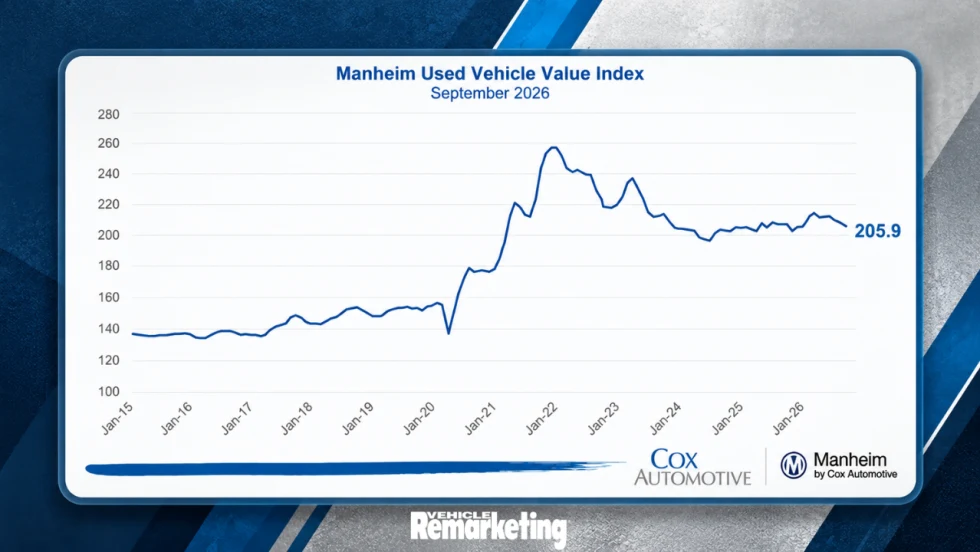
Wholesale Used-Vehicle Values Fall as Cox Automotive Cuts 2026 Forecast
Wholesale used-vehicle prices declined in September as depreciation accelerated, prompting Cox Automotive to lower its year-end forecast.
Read More →
FLD Promotes Three Executives in Leadership Changes
FLD has promoted three longtime executives, naming Gary Mott CEO, Richard Mallek president, and Ron Sanders managing partner.
Read More →
Ford Pro Launches Certified Pre-Owned Program for Commercial Vehicles
Ford Pro Advantage will offer certified pre-owned Class 1-7 commercial vehicles through more than 700 Ford Pro Commercial Vehicle Centers.
Read More →
Copart to Acquire ACV in $1.9 Billion Deal
The acquisition would expand Copart beyond its traditional salvage business into dealer-to-dealer wholesale remarketing while adding ACV’s vehicle data, inspection, and valuation technology.
Read More →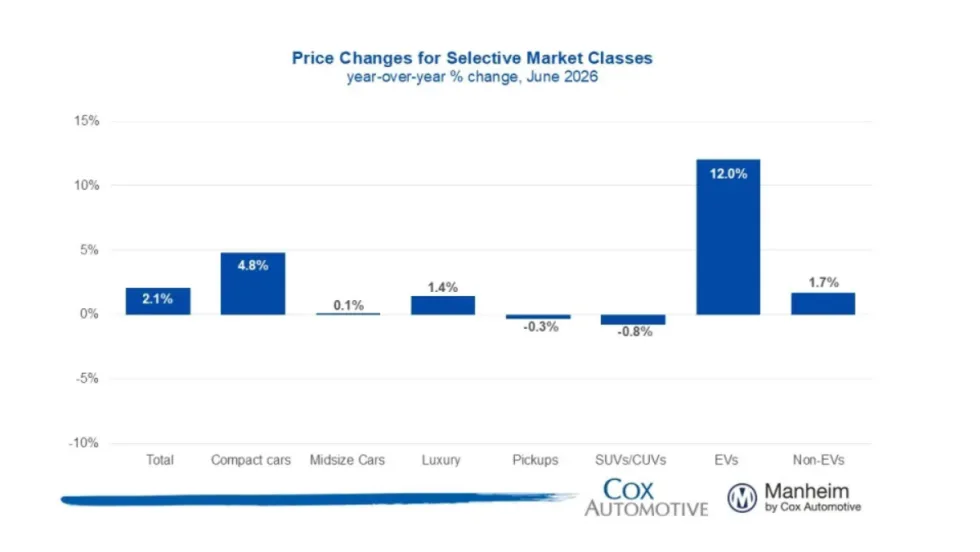
Manheim Index Shows Used-Vehicle Wholesale Prices Up 2.1% in June
The market is seeing stronger appreciation in older used vehicles this year, and the most affordable segments have been among the year’s best performers.
Read More →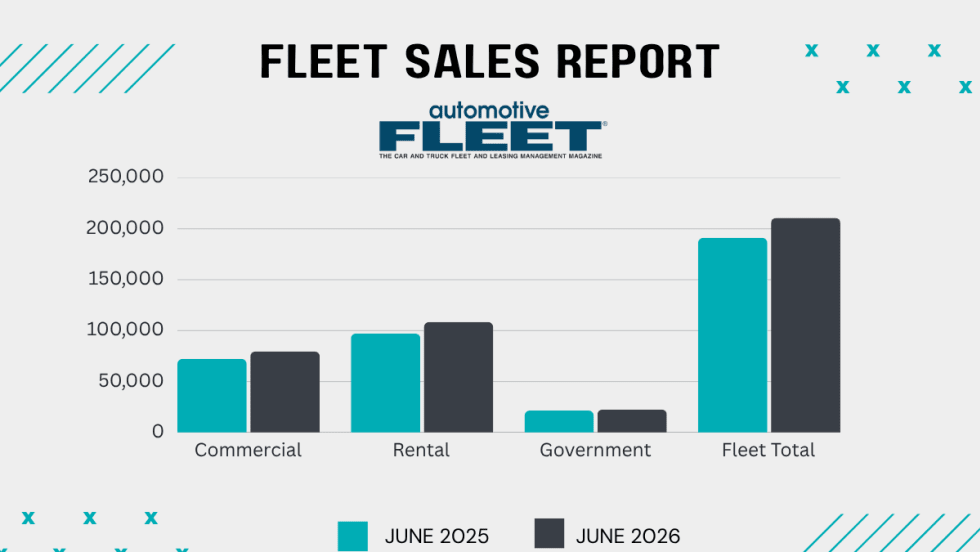
Commercial Fleet Sales Contribute To June, YTD Gains
The fleet sector has boosted its vehicle purchases at a reliable pace in the first half of this year compared with 1H 2025.
Read More →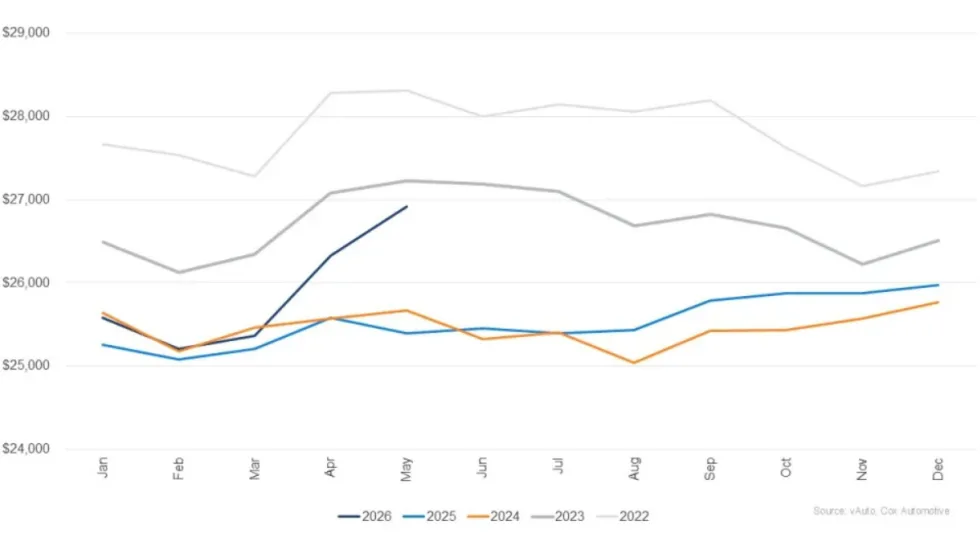
Used Vehicle Prices Climb Higher As Sales Pace Slows
The higher prices at used retail reflect strong wholesale values earlier in the spring, particularly for older, more affordable vehicles.
Read More →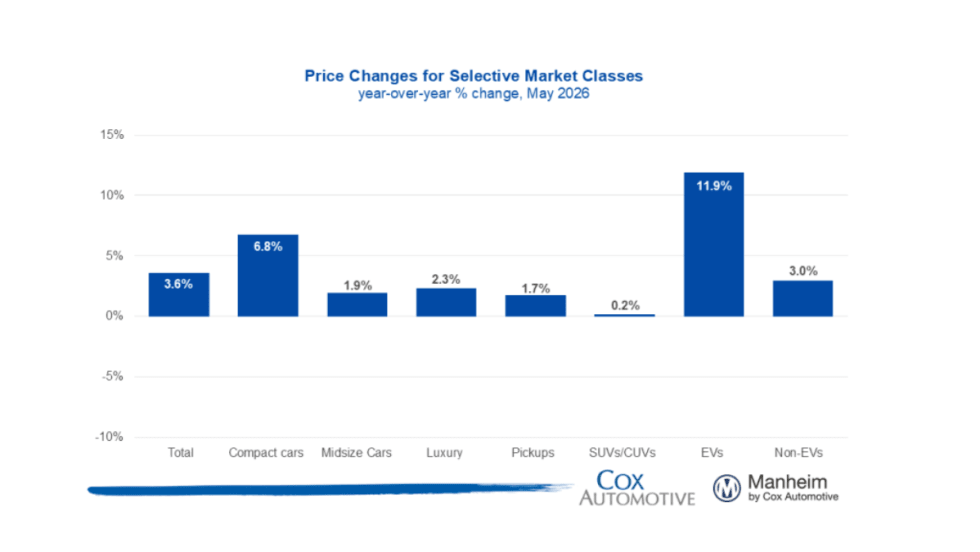
Wholesale Used Vehicle Market Sustains Moderate Rise In Values, Prices
Trends continue to normalize after a strong start to the year, as consumers contend with higher gas prices in the coming summer months.
Read More →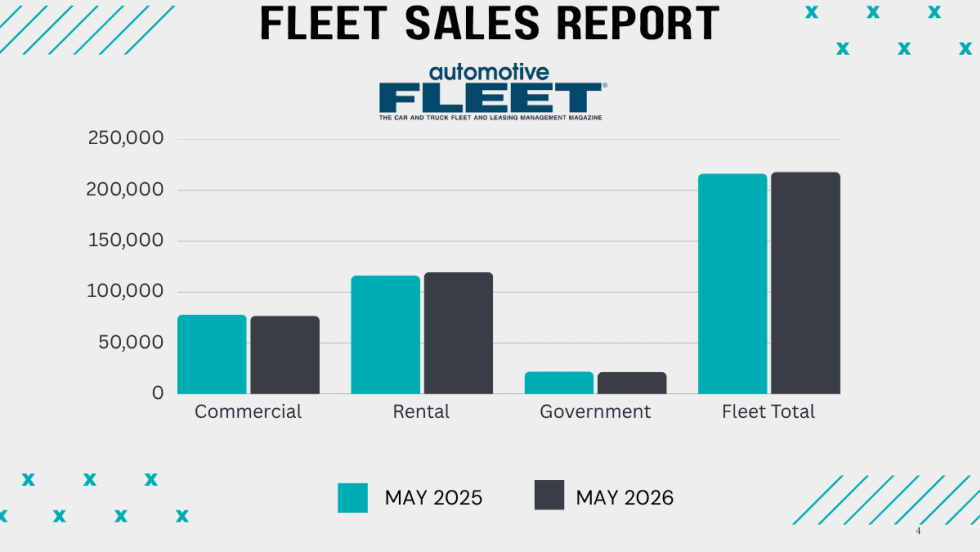
Commercial Fleet Sales Still Lead Sectors Despite May Mini Dip
The U.S. economy's continued growth and positive business investment are creating a favorable environment for fleet vehicle demand.
Read More →