




Ford Recalls Pickups, SUVs for Seat Back Weld
The recall involves 2,195 2017-model year Ford F-150 pickups, Explorer SUVs and Super Duty pickups in the U.S.
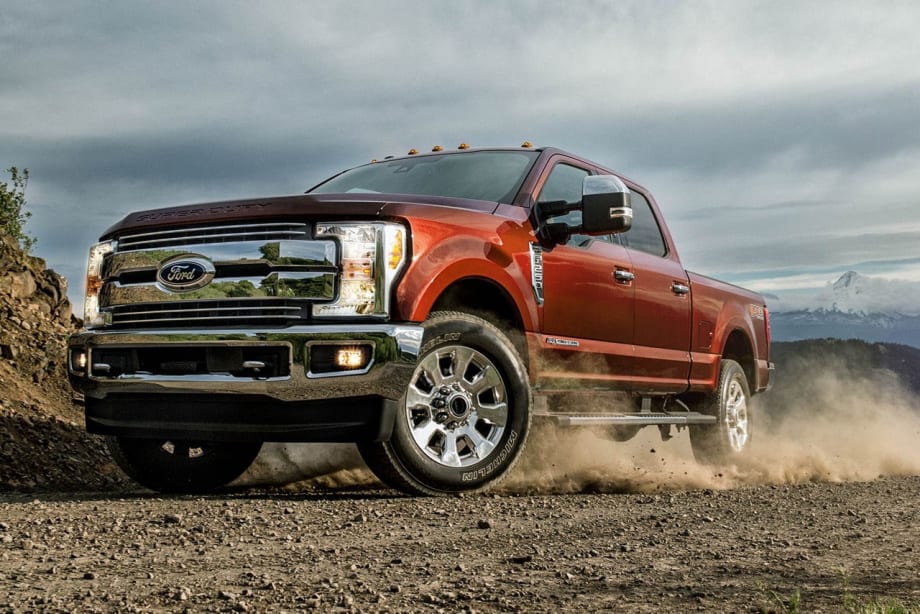
Photo of Ford Super Duty courtesy of Ford.

Photo of Ford Super Duty courtesy of Ford.
Ford Motor Co. is recalling 2,195 2017-model year Ford F-150 pickups, Explorer SUVs and Super Duty pickups in the U.S. to fix a faulty weld between the driver seat back and the manually operated seat back recliner mechanism, the automaker said.
“In the affected vehicles, a driver seat back frame that has been improperly welded may fail to comply with certain federal motor vehicle safety standards, and may not adequately restrain an occupant in a crash, increasing the risk of injury,” Ford said in a released statement about the safety compliance recall.
Ford added that it isn’t aware of any accidents or injuries associated with the issue.
Dealers will resolve the problem by inspecting each driver seat back frame and replacing it as needed. There will be no charge for this service.
In addition to the recalled vehicles in the U.S., nine will be recalled in federalized territories for the same reason. Also, 39 vehicles in Mexico and 175 in Canada will be recalled for this issue. Ford’s reference number for the recall is 17C08.
The recall covers the following vehicles:
2017 Ford F-150 pickup trucks built at Dearborn Assembly Plant from Dec. 11, 2016 to Dec. 16, 2016
2017 Ford F-150 pickup trucks built at Kansas City Assembly Plant from Dec. 8, 2016 to Dec. 9, 2016
2017 Ford Explorer SUVs built at Chicago Assembly Plant from Dec. 9, 2016 to Dec. 10, 2016
2017 Ford Super Duty pickup trucks built at Kentucky Truck Plant from Dec. 19, 2016 to Jan. 19, 2017
2017 Ford Super Duty pickup trucks built at Ohio Assembly Plant from Dec. 23, 2016 to Jan. 19, 2017.
More Safety
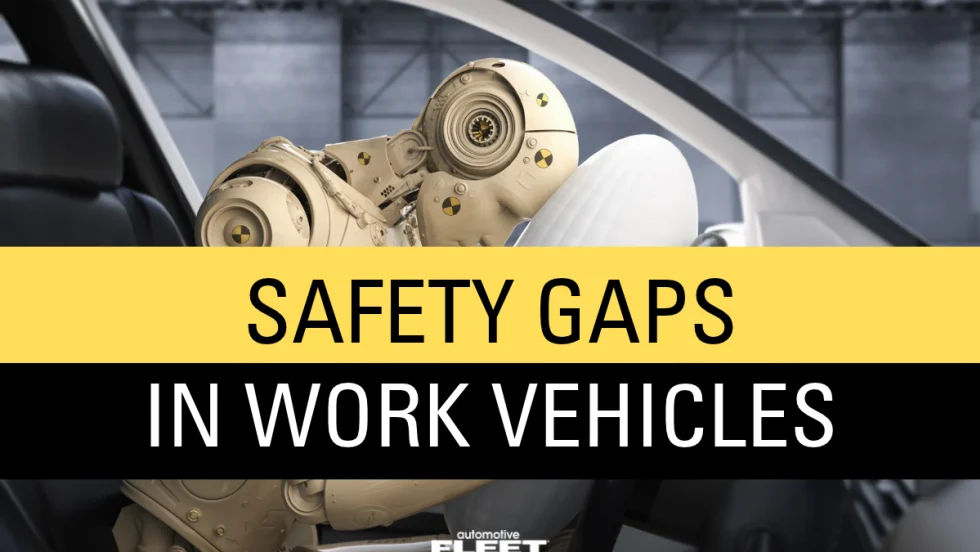
IIHS Crash Avoidance Tests Reveal Safety Gaps in Cargo Vans and Work Trucks
New crash-avoidance ratings from the Insurance Institute for Highway Safety reveal inconsistent performance among commercial vehicles, with several popular cargo vans and heavy-duty pickups struggling to avoid collisions with other vehicles and pedestrians.
Read More →
What’s Next for Fleet? Safety, AI & Industry Recognition | AF News Recap
Could your company's culture be encouraging distracted driving? This week, we're exploring how workplace expectations affect driver safety, what AI, EVs, and autonomous vehicles could mean for the future of fleet management, and how fleet professionals can strengthen their award nominations.
Read More →
Does Your Fleet's Culture Encourage Distracted Driving?
What happens when the people responsible for enforcing safety rules are the ones setting the wrong example? The answer may reveal why some of the biggest risks to fleet drivers have little to do with what's written in the employee handbook.
Read More →
Fleet Manager’s Ultimate Playbook: Navigating the New Standard in OEM Connectivity
Rising operating costs, driver safety concerns, and unplanned downtime are putting unprecedented pressure on modern fleets. Discover how fleet managers use embedded OEM connectivity and real-time vehicle data to cut TCO, prevent downtime, and protect drivers without aftermarket telematics hardware.
Read More →
From Driver Well-Being to EV Charging | AF News Recap
Mental health belongs in the fleet safety conversation. This week, we’re looking at five ways fleets can support employee well-being before a crisis, plus Holman’s expansion in Mexico, new one-day Fleet Forward passes, and why EV charging demand is outpacing infrastructure growth.
Read More →
Nexar-Nauto Merger Aims to Give Fleets Better Safety Intelligence Through Larger Driving Dataset
Stefan Heck tells Automotive Fleet that combining more than 10 billion miles of driving history with Nexar's AI models will give fleets deeper insights into driver risk and roadway conditions than either company could provide independently.
Read More →
Don't Wait for a Crisis: 5 Ways to Build Mental Health Into Your Fleet Safety Program
For Suicide Prevention Month, fleet and safety leaders have an opportunity to put mental health where it belongs: at the center of workplace safety.
Read More →
How Camera Data Can Strengthen a Fleet’s Insurance Renewal
Insights from a commercial insurance carrier and a broker show how fleets can turn video telematic data, driver coaching, and improved claims results into a stronger case at insurance renewal.
Read More →
The Safest Fleets Aren’t the Ones with the Most Technology
You’ve made the telematics investment. Here’s how to capture the other half of its value and build the safest fleet on the road.
Read More →
Hidden in Plain Sight: Fleet Compliance Risks
Fleet compliance isn't just about having policies — it's about consistently enforcing them. This practical guide reveals six hidden compliance risks common in public sector and shared fleet operations and outlines proven strategies to improve visibility, accountability, and audit readiness
Read More →