




Ford Prototypes ULEV II Diesel Focus
Ford Motor Co. has developed a new diesel-powered Ford Focus research vehicle that will meet California’s Ultra Low Emission Vehicle II (ULEV II) standards, which go into effect in 2007. The vehicle uses co-fueling of diesel and urea, an ammonia-based compound, to reduce nitrogen oxide (NOx) emissions to levels previously not achieved with diesel technology. The keys to the ULEV II Diesel Focus’ low emissions are a very efficient NOx reduction catalyst and a soot-trapping particulate filter. The catalyst uses the ammonia to remove NOx from the exhaust. The chemical urea, in a water solution, is a convenient way to provide ammonia and is automatically sprayed on to the catalyst as needed. The urea — stored on-board in a small bottle like windshield washer fluid — is odorless and non-flammable. To ensure that the urea container is always filled, two tubes on a specially designed fuel nozzle fit to matching tubes in the fill pipe. This is called “co-fueling.” Co-fueling fills two separate tanks at the same time, so the driver does not need to make a second stop to replace the additive. Co-fueling is seamless for the customer. “Co-fueling with urea in a common-rail diesel engine allows us to produce a vehicle that provides the performance and fueling process customers are accustomed to,” said Dick Baker, corporate technical specialist for Ford’s Advanced Diesel Systems group. He added that Ford is working with other companies to develop an infrastructure for co-fueling. Along with the NOx catalyst, a particulate filter is used in the ULEV II Diesel Focus to trap carbon particles. Particulate filter technology is being developed by all diesel manufacturers to reach the future emission requirements, and to provide customers with a diesel vehicle that has no smoke and no odor. Availability of low-sulfur diesel fuel will help reduce the need for the particulate filter. “This prototype vehicle is a great example of what could be done in the future to make diesels fully comparable to gasoline vehicles in emission control, with lower CO2 emissions and excellent fuel economy,” says Baker.
More Operations

Top 50 Executive Fleets
It is that time of year again! Time for the 2026 list of the Top 50 Executive Fleets, presented by Automotive Fleet and Volvo as part of its annual Fleet 500. Download now to see this year's list of companies!
Read More →
Gary Van Orden Retires After Nearly Four Decades in Commercial Fleet
From answering customer calls at Ford Motor Company to leading fleet sales across multiple OEMs and a fleet management company, Gary Van Orden's career reflects nearly four decades of leadership in commercial fleet.
Read More →
How Stellantis Plans to Get Ahead of Fleet Downtime
Vehicle acquisition may grab the headlines, but fleet uptime increasingly determines operating success. Darren Bradshaw of Mopar North America gives the details.
Read More →
Hyundai Releases 2027 Commercial Program Incentives
The 2027 Model Year "Fleet Street Incentives" are available to commercial and government fleets.
Read More →
It's All Downhill from Here! Fleet Industry Raises $22,000 for Skilled Trades Scholarships
Work Truck’s Lauren Fletcher and Automotive Fleet’s Chris Brown turned a friendly racing rivalry into $22,000 for automotive technology and skilled trades scholarships.
Read More →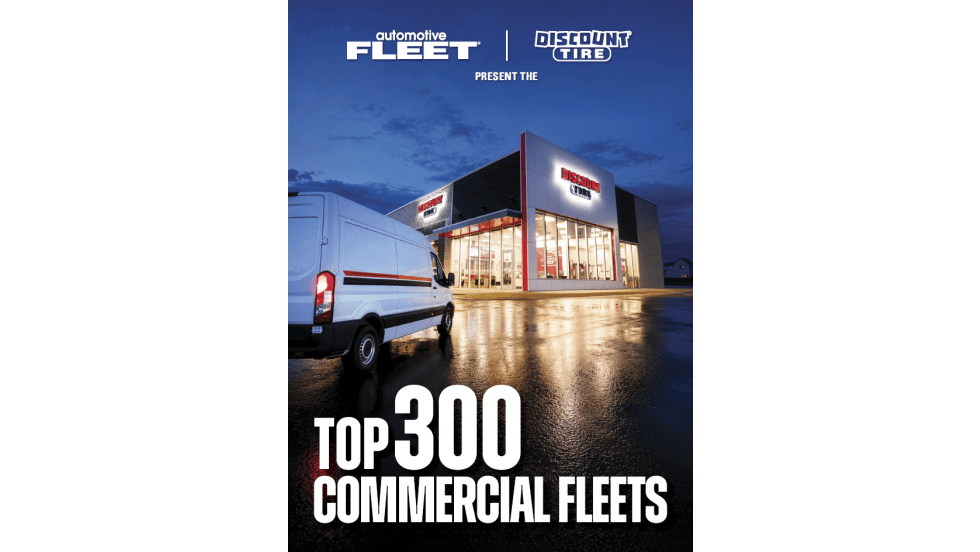
The Top 300 Commercial Fleets
The Top 300 Commercial Fleets: See the List
Read More →

Your Local Dealer Knows More Than You Think
Your local dealer can provide an information advantage that extends well beyond courtesy deliveries.
Read More →
Fleet Meets: Austin Schutte
Here are some industry insights, personal touches, and words of advice from the CEO and Founder of Anew Solutions.
Read More →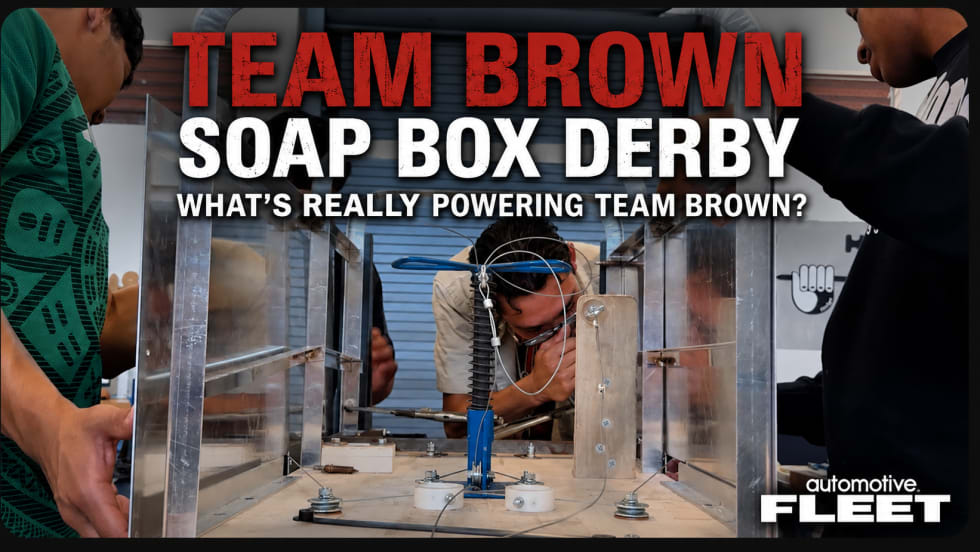
Soap Box Derby Challenge: What’s Powering Team Brown
The car is coming together, the students are solving real build problems, and the fleet industry is helping push Team Brown toward the starting line.
Read More →