





How Can Fleets Access Federal EV Rebates that Consumers Can't?
Ford Offers Fleets Cash Incentive for EV Charging
Ford Power Pro will offer commercial customers a $2,000 incentive, which fleets can apply toward electric vehicle costs of their choice.
October 3, 2024
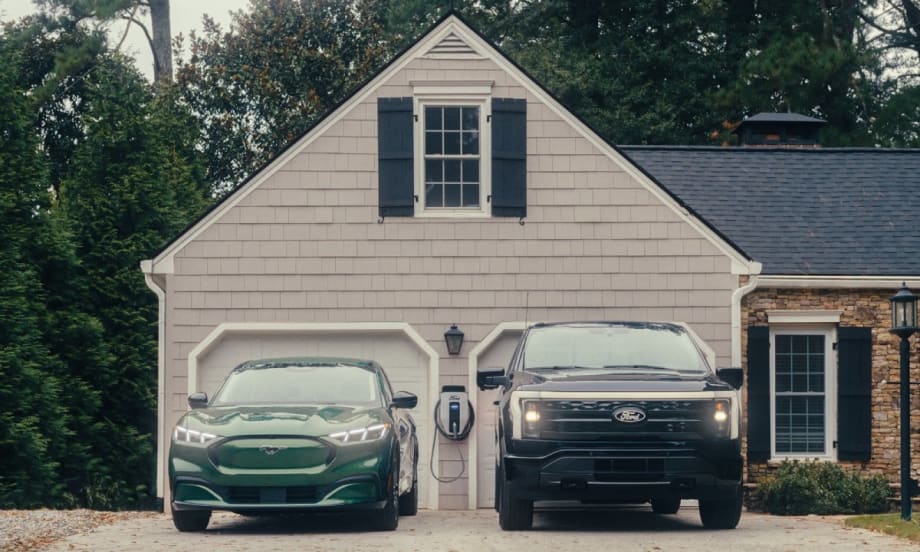
According to Ford, 89% of electric vehicle shoppers are more likely to buy an electric vehicle if they have access to home charging.
Photo: Ford Motor Company
2 min to read
In a blog post, Ford CEO Jim Farley announced the new Ford Power Promise, an incentive and cash program customers, such as fleets, can apply toward electric vehicle costs of their choice.
Starting October 1st, Ford Power Promise will offer retail EV customers a complimentary home charger and home installation with the purchase or lease of a Ford electric vehicle, such as the Ford Mustang Mach-E, F-150 Lightning, or E-Transit.
The program also includes Ford Pro fleet or commercial customers, who are now eligible for a $2,000 Commercial Charging Cash incentive. The money can be applied toward EV costs like home, depot, or workplace charging solutions.
The announcement comes in a period when new and used electric vehicle (EVs) sales have been slowing or stalling, with signs of a rebound for certain companies.
"Cheap lease deals on electric vehicles are popping up everywhere. Ford believes it will take more than jumbo rebates to truly break through with the estimated 19 million people in the U.S. interested in electric vehicles. It will take — you guessed it — convenience, peace of mind, and expert service," Farley said.
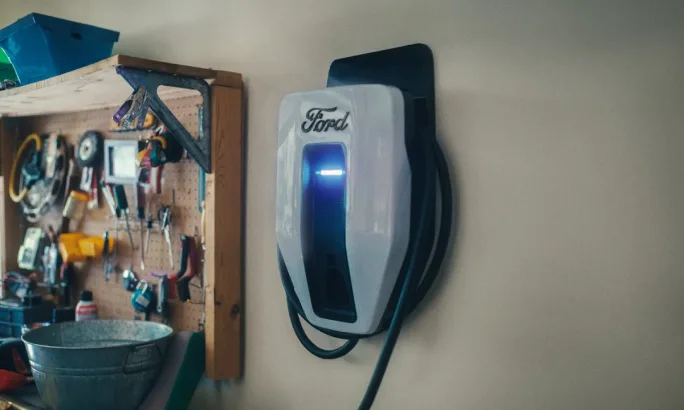
Ford Power Promise will offer retail EV customers a complimentary home charger and home installation with the purchase or lease of a Ford electric vehicle.
Photo: Ford Motor Company
EV Adoption and Fleet Concerns
Ford Power Promise focuses on fleets that intend to buy but are only partially sold on the ownership costs of purchasing and maintaining an EV.
According to Ford, 89% of electric vehicle shoppers are more likely to buy an electric vehicle if they have access to home charging.
The program expands further than the cash with practical solutions to common EV challenges, like charging, battery longevity, and installation. However, needs may translate differently for fleets of varying sizes.
"It depends on the customer, the kind of fleet they have, and where they ultimately want those vehicles to charge most efficiently. For micro fleets, we have found that is usually at home versus big fleets, which all have depots and central hubs with more infrastructure," a Ford spokesperson said.
According to Ford, fast installation times are a perk of the home charging option. Through local installers and single contracts, jobs are being done within three to four weeks, tracked from the first invitation to full completion.
For long distances, Ford's BlueOval Charge Network automatically searches for chargers across various networks, including Electrify America and Tesla Superchargers, adding charging stops to your route via the Connected Navigation in the vehicle.
Ford Power Promise represents a significant step in bridging the gap between buyer hesitancy and electric vehicle ownership. To ease concerns around charging, infrastructure, and costs, the initiative aims to make EV adoption smoother for both individuals and commercial fleets.
More Operations
Company Vehicle or Reimbursement? How Fleets Are Rethinking Assignments
As fleet costs and insurance pressures rise, fleet managers are taking a closer look at which employees need company-provided vehicles and when a reimbursement program may make more sense.

Fleetio, ASE Launch Scholarship Program for Automotive Technicians
The second annual program will award 15 scholarships totaling $35,000 to support ASE certification, testing fees, and equipment costs.

Reading the Global Signals: What AI and the Energy Transition Mean for Fleets Now
In this opening keynote of the 2026 Fleet Forward Conference, John Rossant, founder of CoMotion, How can fleet managers navigate a never-ending, changing industry landscape?

90% Use Telematics. Are Fleets Getting Safer? | AF News Recap
This week, we're breaking down which industries have the highest rates, how Jamie McKay manages 2,400 vehicles, what's happening with the 2027 fleet awards, and why software-defined vehicles could introduce new costs.

What's Best Handled by an FMC, and What's Better Done Directly?
Fleet managers continue to rely on FMCs for essential services but are taking a closer look at where working directly with suppliers can improve efficiency and responsiveness.

Fleet Meets: Erin Gilchrist
Meet Erin Gilchrist, the inaugural Mike Antich Spirit of Fleet Award winner, as she shares insights on leadership, mentorship, the power of industry connections, and why people remain at the heart of fleet's future.

How 2026 Fleet Visionary Jamie McKay Manages 2,400 Vehicles Across 37 States
How do you keep 2,400 vehicles running across 37 states? Fleet Visionary Award winner Jamie McKay shares how collaboration, flexibility, and a few simple strategies help her tackle fleet management challenges at Aptive Pest Control.

Managing Fleet Costs in an Era of Permanent Volatility
Fleet operating costs have risen more than 20% since 2020, raising a key question: When does extending a vehicle's service life stop making financial sense?

The Next Evolution of Fleet Management: Autonomous Operations
This opening keynote session at the Fleet Forward Conference highlights the future of autonomous driving for fleets.

How to Reduce the Total Cost of Risk From Catalytic Converter Theft
A stolen catalytic converter can cost fleets far more in downtime and lost productivity than in repairs. A total-cost-of-risk approach can help fleet managers quantify their exposure and prioritize theft prevention.