




Related: Who Is Winning the Race to Autonomy?
Ford Executive Predicts Self-Driving Cars Will Only Last Four Years
Ford’s operations chief for its autonomous vehicle division predicts that autonomous vehicles will be so in demand, and used so deliberately, that they will succumb to substantial wear and tear.
by Staff
August 29, 2019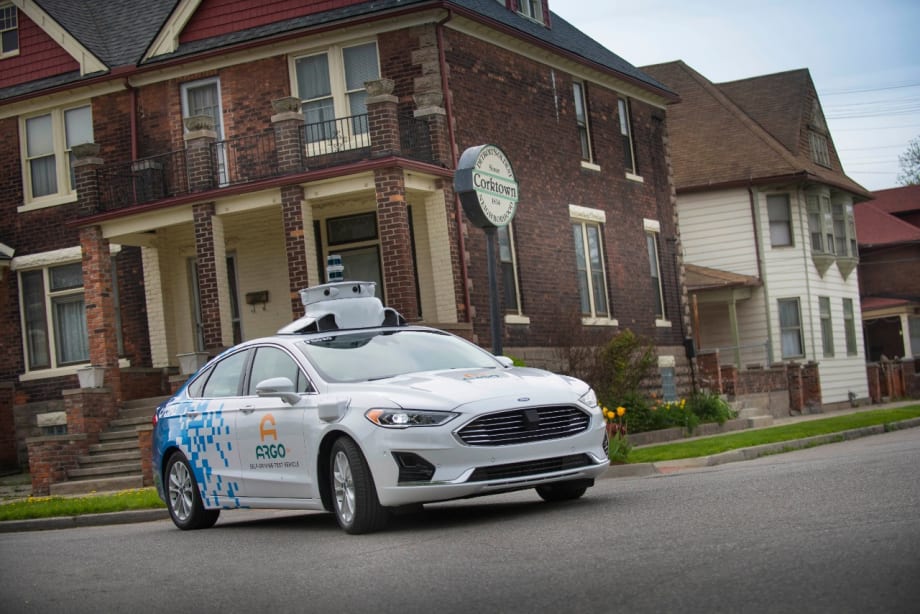
This Ford Fusion Hybrid is being used in autonomous testing by Argo AI in collaboration with Ford.
Photo via Ford.
2 min to read
In a recent interview, John Rich, operations chief of Ford Autonomous Vehicles, said that he predicts self-driving cars will only last four years.
Speaking with The Telegraph, Rich explained that his predictions stem from his belief that autonomous vehicles will be so in demand, and used so deliberately, that they will succumb to substantial wear and tear.
“The thing that worries me least in this world is decreasing demand for cars. We will exhaust and crush a car every four years in this business,” he told The Telegraph.
According to The Telegraph, the automaker is well underway to establishing an autonomous fleet to be used as a service for other companies, either for delivery or transportation.
Start-up Argo AI has been in collaboration with Ford in developing and testing autonomous technology in cities across the U.S. Analysts say the industry should be forewarned that a major shift in private ownership will begin to take place, ultimately seeing an increase in fleet transportation services, reported The Telegraph.
Rich reiterated that part of the this shift also stems from the fact that in the future autonomous car fleets will be cheaper, more efficient, and used more often than private vehicles, especially by those in underserved populations.
“Every shred of evidence we’ve seen says that as you drive down cost per mile the miles travelled goes up,” he explained to The Telegraph. “You start to help under-served populations [and] you start to move a lot more people.”
More Fleet Forward

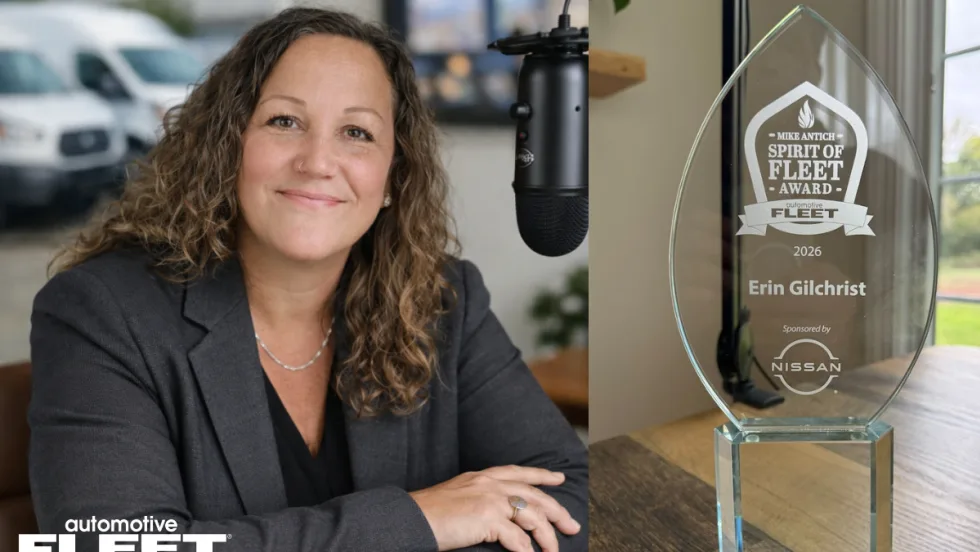
Erin Gilchrist Receives Mike Antich Spirit of Fleet Award
Last week at AFLA in Vegas, Erin Gilchrist received the inaugural, brand-new Spirit of Fleet Award.
Read More →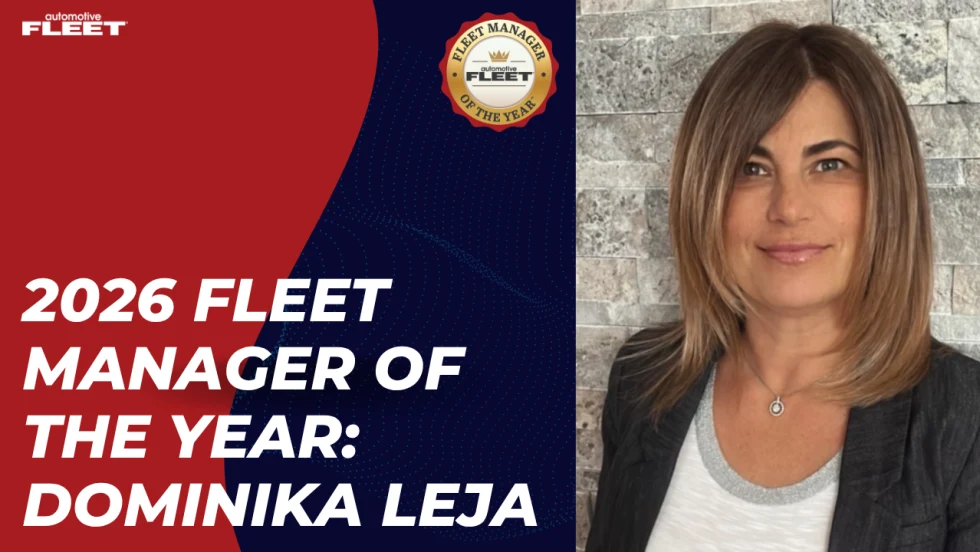
Dominika Leja Named the 2026 Fleet Manager of the Year
The AstraZeneca associate director of fleet was recognized for her leadership in fleet electrification, cost savings, and operational transformation.
Read More →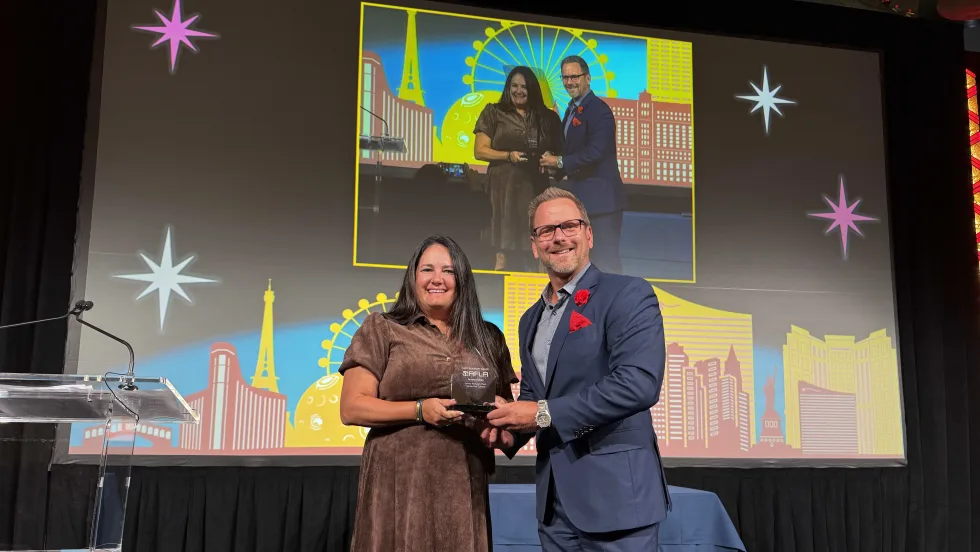
Jamie McKay Named the 2026 Fleet Visionary Award Winner
The Aptive Pest Control fleet manager was recognized for her approach to operations, data, lifecycle management, and driver needs.
Read More →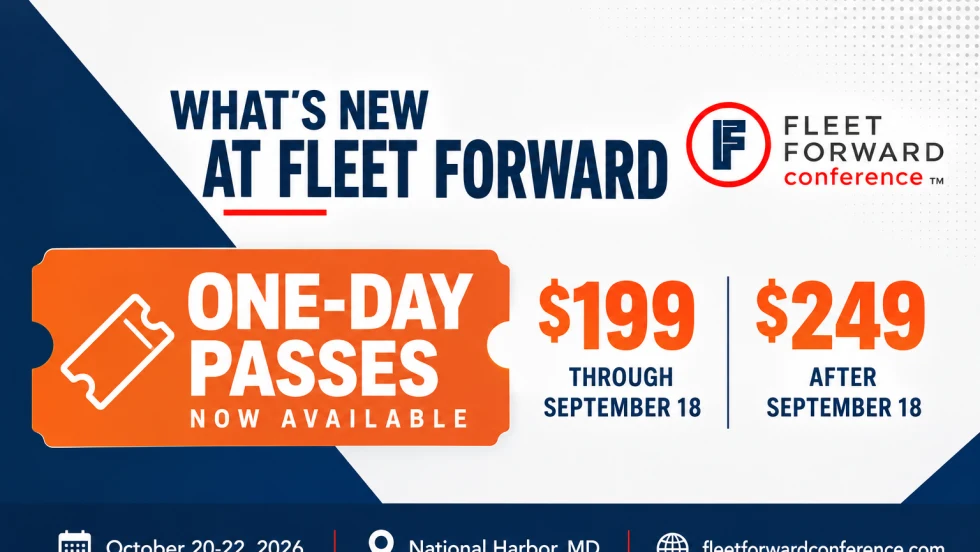
Fleet Forward Conference Introduces One-Day Passes for 2026
New one-day registration gives fleet professionals the flexibility to attend Tuesday, Wednesday, or Thursday, with passes available for $199 through Sept. 18.
Read More →
Vibe Coding: When Fleet Managers Become Software Builders
Five fleet professionals — none with programming skills — discuss how they’re using AI to build fleet solutions in-house and in a fraction of the time.
Read More →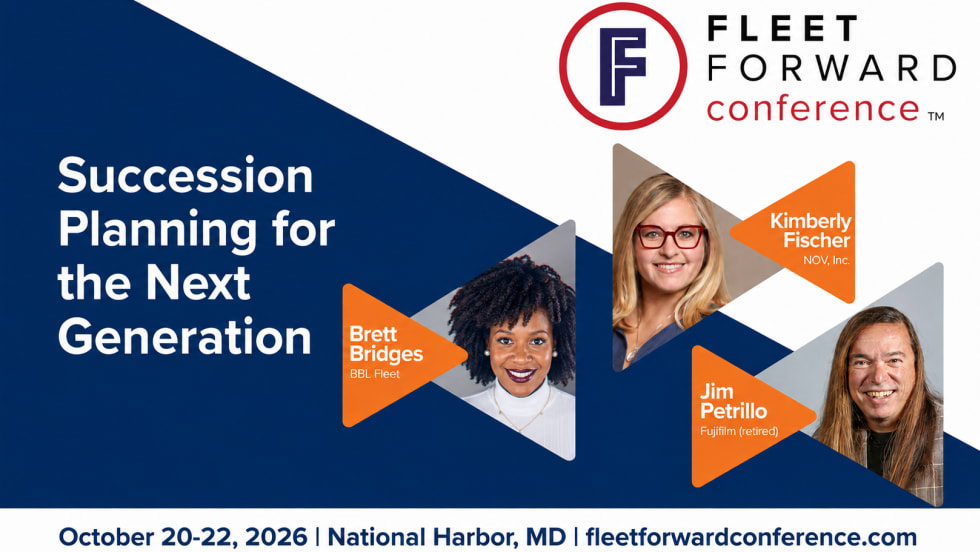
Fleet Forward Conference Tackles Fleet Industry’s Growing Leadership Gap
This session will examine succession planning, knowledge transfer, and the skills the next generation of fleet leaders will need as veteran professionals leave the industry.
Read More →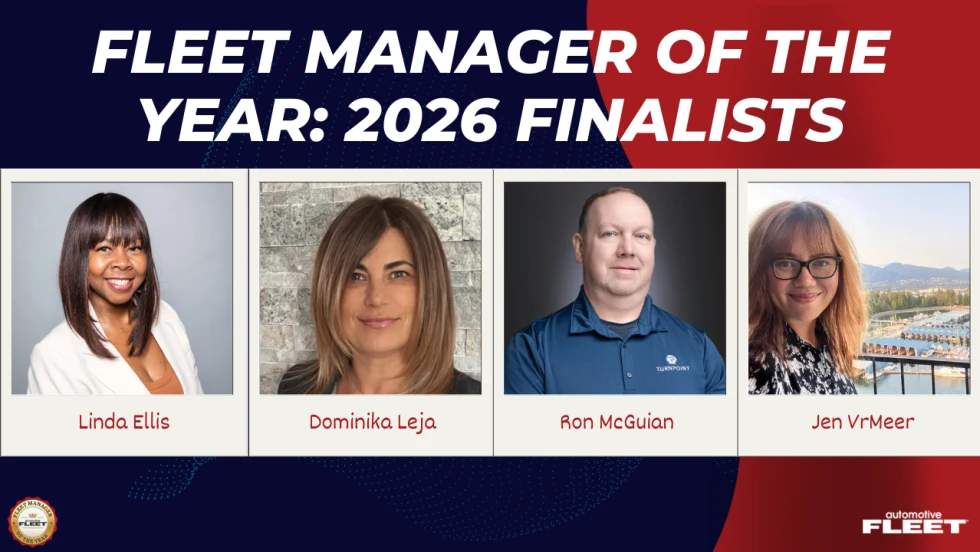
2026 Fleet Manager of the Year Finalists Announced
Who are the 2026 Fleet Manager of the Year finalists?
Read More →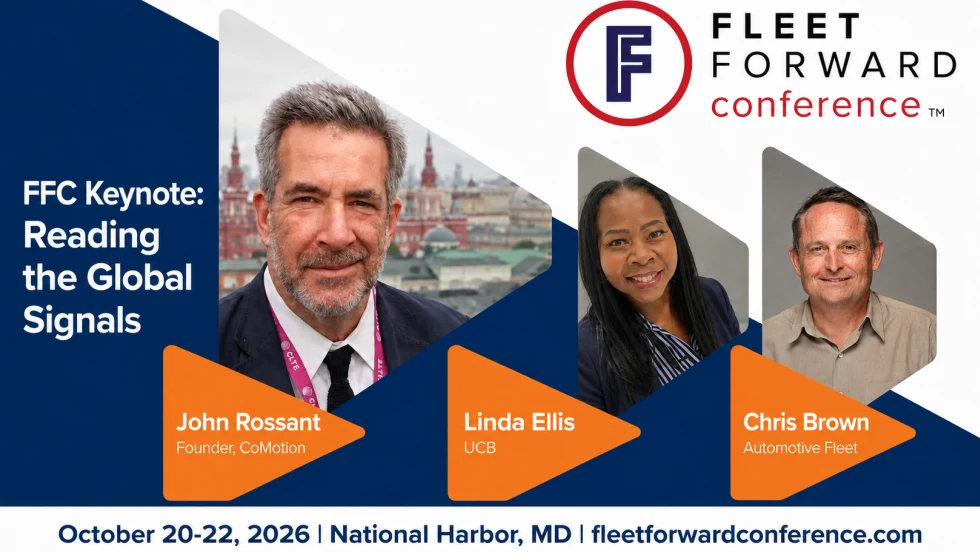
John Rossant to Deliver Opening Keynote at 2026 Fleet Forward Conference
The CoMotion founder will draw on developments across Europe, China, the Middle East, and other international markets to identify trends that could influence how U.S. fleets plan for the coming decade.
Read More →
How to Build Custom Fleet Tools With AI and Vibe Coding [Webinar]
A new Automotive Fleet webinar explores how fleet managers are using AI and vibe coding to automate routine work and create simple operational tools without traditional programming skills.
Read More →