




Fleets Face EV-Only Future as EU Parliament Votes for Zero-Emission Cars and Vans by 2035
The ban for internal combustion engines is part of the EU policy of ‘fit for 55’, which is to meet a 50% reduction of car and van emissions compared with 2021 by the year 2030.

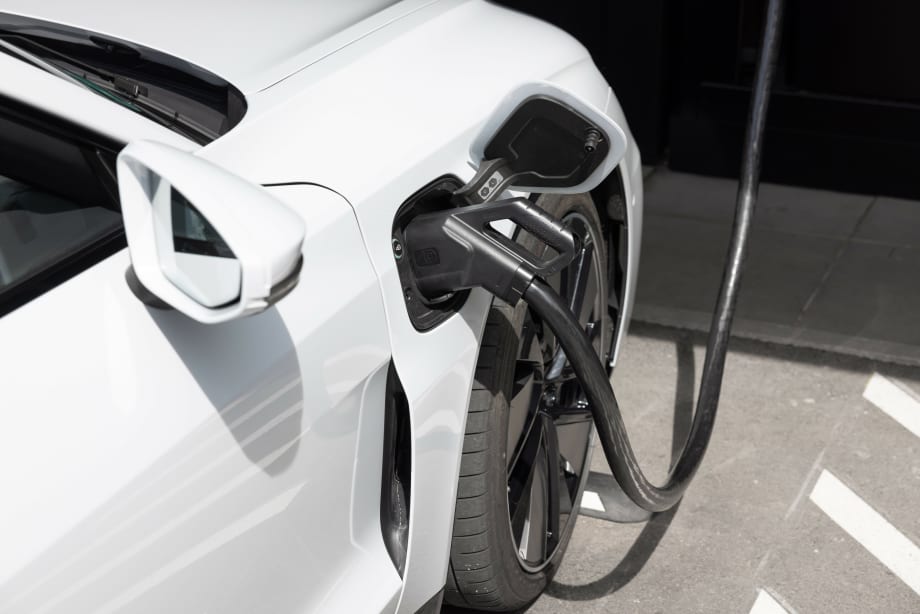
Fleets in Europe will need to start planning for full electrification by 2035.
Audi
There’s been little doubt that the direction of travel for fleets operating in Europe was zero-emission. It was just a question of when.
But following a vote in the EU Parliament on June 8, MEPs adopted their position for zero-emission cars and vans by 2035. This will now be negotiated with member states.
The ban for internal combustion engines is part of the EU policy of ‘fit for 55’, which is to meet a 50% reduction of car and van emissions compared with 2021 by the year 2030.
Jan Huitema, lead for the legislation, said: "An ambitious revision of CO2-standards is a crucial part of reaching our climate targets. With these standards, we are creating clarity for the car industry and can stimulate innovation and investments for car manufacturers.”
ACEA, the European industry organization for OEMs, said that to meet the ‘fit for 55’ CO2 reduction would require a significant ramping up of charging infrastructure. In work completed with McKinsey consultants, ACEA said 6.8 million public charging points would needed across the EU by 2030.
Ford (among other automakers) has been campaigning positively for vehicles to be zero-emission by 2035.
Stuart Rowley, chair, Ford of Europe, said, “We are targeting all Ford vehicles to be zero emission by 2035. To successfully achieve this, EU policymakers must also establish mandatory national targets for a seamless electric charging infrastructure that lives up to the growing demand for electric vehicles.”
According to environmental pressure group Transport & Environment, transport is the biggest source of emissions in Europe, with cars responsible for 12% alone. In the U.K., the position is more radical: new petrol and diesel vehicles will be banned by 2030, with all vehicles to be zero-emission by 2035.
Either way, global fleet operators in Europe and the U.K. will now need to accelerate decarbonization plans to meet these mandatory climate goals.
Dig deeper into European electrification with the latest episode of our new video series, Fleet Meet:
More Global Fleet

GeoFencing Adds to Your Truck Security Arsenal
Geofencing is a familiar fleet tool today, but its early adoption marked a major shift in vehicle tracking, route monitoring, and the debate over employee privacy.
Read More →
Holman Takes Full Ownership of ARIZA in Mexico
Holman is bringing its Mexican fleet management operation fully under its own brand after more than 30 years as a joint venture. The change gives multinational fleet customers a single Holman operation across the U.S., Canada, and Mexico.
Read More →
5 Tire Maintenance Tips to Help Prevent Work Truck Downtime
Regular tire checks can do more than extend tread life. These five maintenance practices can help work truck fleets catch problems early, reduce costs, and prevent downtime.
Read More →

Proven Ways to Reduce Work Truck Downtime
The age-old problem of downtime will always be a reality, but with new strategies at hand, fleets have more ways to keep trucks on the road longer.
Read More →


Cameras, Safety and Insurance: From Reactive Claims to Real-Time Prevention (Part 2 of 2)
Part Two: Commercial auto remains one of the most challenging and costly lines of coverage for fleet operators and insurers alike. Continue learning more about how to effectively address these issues from Onur Aksan, Enterprise Business Development Executive, Geotab
Read More →
Cameras, Safety and Insurance: From Reactive Claims to Real-time Prevention
Commercial auto remains one of the most challenging and costly lines of coverage for fleet operators and insurers alike. Learn more about how to effectively address these issues from Onur Aksan, Enterprise Business Development Executive, Geotab.
Read More →
Fleet Costs Are Rising: Here’s How Leaders Are Responding
Fleet leaders are under pressure to reduce costs, adapt to economic uncertainty, and make smarter decisions. See how peers across North America are responding with real data, proven strategies, and forward-looking insights. Download the 2026 Market Pulse Report to benchmark your strategy and uncover where you can gain an edge.
Read More →
Enterprise Fleet Management Surpasses 900,000 Vehicles in U.S. & Canada
Enterprise Mobility connects with mobility solutions around the globe
Read More →