




Fleet Safety Video Tip: Work Zone Precautions
Highway construction and maintenance season is now under way, so here are 10 work-zone safety tips from the Federal Highway Administration and the New York Department of Transportation.
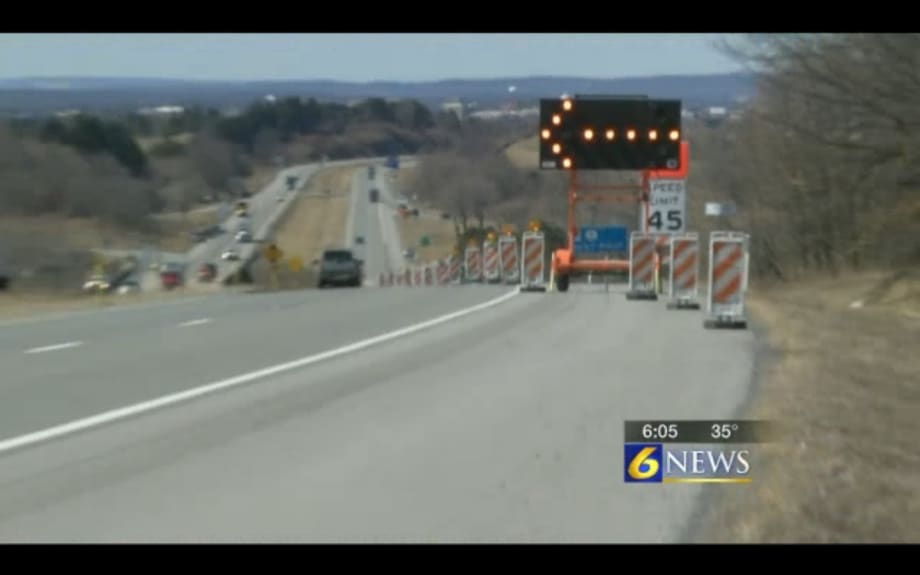
The arrival of spring has ushered in highway construction and maintenance season, with work zones cropping up across the country.
We all know how resulting lane closures can disrupt traffic flow and create hazards as multiple vehicles attempt to change lanes. When approaching work zones, drivers need to slow down and focus their full attention on the road and surrounding environment.
Here are 10 work-zone safety tips, provided by the Federal Highway Administration and the New York Department of Transportation, you can pass along to fleet drivers:
1. In any work zone along any road, major or minor, expect the unexpected. Normal speed limits may be reduced, traffic lanes may be changed, and people and vehicles may be working on or near the road.
2. Diamond-shaped orange warning signs are often posted in advance of road construction projects. Slow down. Be alert. Pay attention to the signs.
3. In addition to other warning signs, a “flagger ahead” warning sign may be posted in the work zone. When you see this, stay alert and be prepared to obey the flagger’s directions. In a work zone, a flagger has the same authority as a regulatory sign, so you can be cited for disobeying his or her directions.
4. Stay calm. Work zones aren't there to personally inconvenience you. They’re necessary to improve the roads for everyone.
5. You may see flashing arrow panels or “lane closed ahead” signs. Merge as soon as possible. Don’t zoom right up to the lane closure and then try to barge in. If everyone cooperates, traffic moves more efficiently. Motorists can help maintain traffic flow and posted speeds by moving to the appropriate lane at first notice of an approaching work zone.
6. Slow down when the signs say to. A car traveling 60 mph travels 88 feet per second. If you’re going 60 mph and you pass a sign that states, “Road Work 1,500 feet,” you'll be in that work zone in 17 seconds.
7. The most common crash in a highway work zone is the rear-end collision, so remember to leave two seconds of braking distance between you and the car in front of you. The amount of space required to provide two seconds of stopping time will increase the faster you're driving.
8. Keep a safe distance between your vehicle and traffic barriers, trucks, construction equipment and workers. Just like you, highway workers want to return home safely after each day’s work.
9. Some work-zone tasks – such as line painting, road patching and mowing – are mobile, moving down the road as the work is finished. Just because you don’t see the workers immediately after you see the warning signs doesn’t mean they’re not out there. Observe the posted signs until you see the one that states you’ve left the work zone.
10. Highway agencies use many different and varying ways to inform motorists about the location and duration of major work zones. Often, the agencies will suggest a detour to help you avoid the work zone entirely. If you plan ahead, you can try an alternate route.
To view a video about work-zone safety, click on the photo or link below the headline.
More Safety

Nexar-Nauto Merger Aims to Give Fleets Better Safety Intelligence Through Larger Driving Dataset
Stefan Heck tells Automotive Fleet that combining more than 10 billion miles of driving history with Nexar's AI models will give fleets deeper insights into driver risk and roadway conditions than either company could provide independently.
Read More →
Don't Wait for a Crisis: 5 Ways to Build Mental Health Into Your Fleet Safety Program
For Suicide Prevention Month, fleet and safety leaders have an opportunity to put mental health where it belongs: at the center of workplace safety.
Read More →
How Camera Data Can Strengthen a Fleet’s Insurance Renewal
Insights from a commercial insurance carrier and a broker show how fleets can turn video telematic data, driver coaching, and improved claims results into a stronger case at insurance renewal.
Read More →
The Safest Fleets Aren’t the Ones with the Most Technology
You’ve made the telematics investment. Here’s how to capture the other half of its value and build the safest fleet on the road.
Read More →
Hidden in Plain Sight: Fleet Compliance Risks
Fleet compliance isn't just about having policies — it's about consistently enforcing them. This practical guide reveals six hidden compliance risks common in public sector and shared fleet operations and outlines proven strategies to improve visibility, accountability, and audit readiness
Read More →
NETS Sets 2026 Fleet Safety Benchmark Conference for Indianapolis
The Sept. 15–17 program will feature fleet benchmarking data, case studies, emerging technologies, and implementation strategies while running alongside the NSC Safety Congress & Expo.
Read More →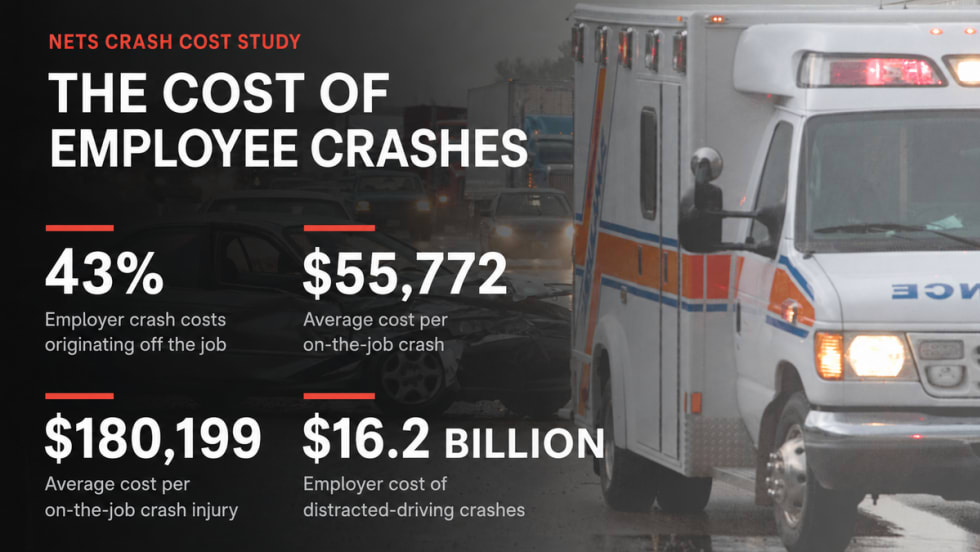
Off-the-Job Crashes Account for 43% of Employers’ $61.7 Billion Crash Burden
NETS quantifies costs dispersed across fleet, risk, HR, and other departments while providing new per-crash benchmarks for employers.
Read More →
Ram Recalls More Than 1.27 Million 1500 Pickups for Seat Belt Anchor Issue
The recall affects certain 2019-2026 Ram 1500 pickups that may have improperly attached second-row seat belt buckle anchors.
Read More →
How Better Visibility Cut Speeding Violations by 48%
Fleet leaders don't need more data, they need clearer visibility into what the data is saying. This case study explores how one utility replaced speeding-event counts with a single metric — miles driven in violation — to strengthen safety and significantly reduce speeding violations.
Read More →
Operation Safe Driver Week: Why the Industry's Oldest Safety Campaign Still Matters to Fleets
A look at how a 2007 enforcement initiative became one of the most consequential weeks on the fleet safety calendar, and what it means for your drivers in 2026.
Read More →