




Fleet Safety Video Tip: Driving in Windy Conditions
In recent days, high winds have created dangerous driving conditions in a number of cities. Here are some tips, provided by the Nevada Department of Transportation and Idaho State Police, about how to compensate for windy conditions.
In recent days, high winds have created dangerous driving conditions in a number of cities across the country, from New York to San Francisco.
Some drivers underestimate the threat that windy conditions can pose. So here are some tips from the Nevada Department of Transportation you can pass along to fleet drivers as a friendly reminder.
Plan ahead. Leave extra time because of the need to drive more slowly in high winds.
Always wear a seatbelt.
Slow to a safe driving speed and turn on headlights when needed.
Keep your hands firmly on the wheel.
Make steering corrections when driving from wind-protected areas to unprotected areas. The wind may suddenly move your car when traveling from a protected to an unprotected area.
Maintain safe distances from other vehicles near you, particularly RVs, campers, trucks, buses or trailers being towed. These vehicles could swing out and hit your vehicle in sudden wind gusts.
Take extra care in a high-profile vehicle such as a truck, van or SUV – or when towing a trailer. These vehicles are more prone to being pushed or flipped by high winds.
Watch for objects that could potentially blow into the roadway, such as tree limbs.
Listen to the radio for changes in weather conditions that could create more dangerous driving.
If winds are severe enough to prevent safe driving, pull over into a safe parking area (the shoulder of a busy roadway is not safe) and stop, making sure you are away from trees, power lines or other tall objects that could fall onto your vehicle.
When arriving at your destination, avoid parking near trees, downed power lines and buildings.
Never drive over downed power lines. Even if they have been knocked over by the wind, high-voltage wires may still be live and very dangerous. Also, avoid anything that may be touching downed lines, including vehicles or tree branches, and report the downed lines to your local utility emergency center and the police.
In the event of a dust storm, the Arizona Department of Public Safety recommends the following:
If you see a dust storm crossing the road or engulfing your vehicle, pull a safe distrance off the highway and wait for the dusty conditions to pass.
When stopped, turn off lights. Set the emergency brake and make sure the brake light is off. This will reduce the possibility of a rear-end collision.
If conditions prevent pulling off the road, proceed at an appropriately reduced speed. In this situation, turn your lights on and use the center line as a guide. Remember, never stop on the pavement.
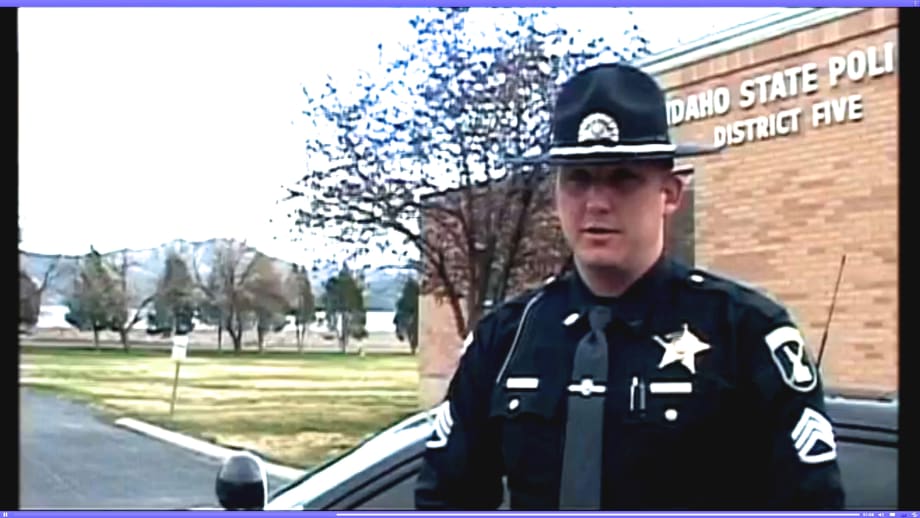
To watch a video offering additional advice from the Idaho State Police, click on the photo or link below the headline.
More Safety

What’s Next for Fleet? Safety, AI & Industry Recognition | AF News Recap
Could your company's culture be encouraging distracted driving? This week, we're exploring how workplace expectations affect driver safety, what AI, EVs, and autonomous vehicles could mean for the future of fleet management, and how fleet professionals can strengthen their award nominations.
Read More →
Does Your Fleet's Culture Encourage Distracted Driving?
What happens when the people responsible for enforcing safety rules are the ones setting the wrong example? The answer may reveal why some of the biggest risks to fleet drivers have little to do with what's written in the employee handbook.
Read More →
Fleet Manager’s Ultimate Playbook: Navigating the New Standard in OEM Connectivity
Rising operating costs, driver safety concerns, and unplanned downtime are putting unprecedented pressure on modern fleets. Discover how fleet managers use embedded OEM connectivity and real-time vehicle data to cut TCO, prevent downtime, and protect drivers without aftermarket telematics hardware.
Read More →
From Driver Well-Being to EV Charging | AF News Recap
Mental health belongs in the fleet safety conversation. This week, we’re looking at five ways fleets can support employee well-being before a crisis, plus Holman’s expansion in Mexico, new one-day Fleet Forward passes, and why EV charging demand is outpacing infrastructure growth.
Read More →
Nexar-Nauto Merger Aims to Give Fleets Better Safety Intelligence Through Larger Driving Dataset
Stefan Heck tells Automotive Fleet that combining more than 10 billion miles of driving history with Nexar's AI models will give fleets deeper insights into driver risk and roadway conditions than either company could provide independently.
Read More →
Don't Wait for a Crisis: 5 Ways to Build Mental Health Into Your Fleet Safety Program
For Suicide Prevention Month, fleet and safety leaders have an opportunity to put mental health where it belongs: at the center of workplace safety.
Read More →
How Camera Data Can Strengthen a Fleet’s Insurance Renewal
Insights from a commercial insurance carrier and a broker show how fleets can turn video telematic data, driver coaching, and improved claims results into a stronger case at insurance renewal.
Read More →
The Safest Fleets Aren’t the Ones with the Most Technology
You’ve made the telematics investment. Here’s how to capture the other half of its value and build the safest fleet on the road.
Read More →
Hidden in Plain Sight: Fleet Compliance Risks
Fleet compliance isn't just about having policies — it's about consistently enforcing them. This practical guide reveals six hidden compliance risks common in public sector and shared fleet operations and outlines proven strategies to improve visibility, accountability, and audit readiness
Read More →
NETS Sets 2026 Fleet Safety Benchmark Conference for Indianapolis
The Sept. 15–17 program will feature fleet benchmarking data, case studies, emerging technologies, and implementation strategies while running alongside the NSC Safety Congress & Expo.
Read More →