




Fleet Safety Video Tip: Driving In Flash Flood Conditions
Several parts of the country -- including Maryland, the Alabama Coast and the Florida Panhandle -- saw severe flash flooding last week. Such conditions can form so quickly that they catch many drivers off-guard. Here are some tips from the National Disaster Education Coalition you can pass along to your drivers so they're better prepared to deal with the risks that flash floods pose.
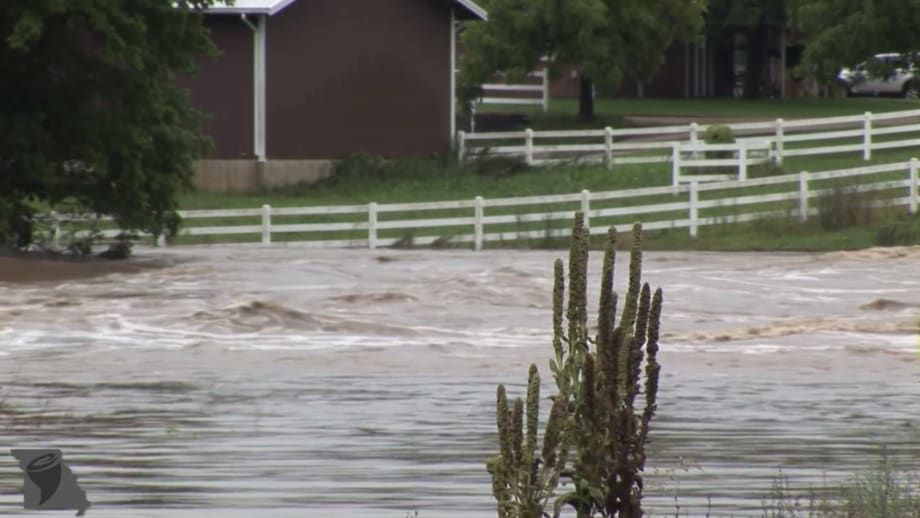
Several parts of the country -- including Maryland, the Alabama Coast and the Florida Panhandle -- saw severe flash flooding last week. Now is a good time to remind your drivers of what steps they can take to stay safe during flash flood conditions.
Here are some tips from the National Disaster Education Coalition:
Avoid already flooded areas and areas subject to sudden flooding. Do not attempt to cross flowing streams. Most flood fatalities are caused by people attempting to drive through water, or people playing in high water. The depth of water is not always obvious. The roadbed may be washed out under the water, and you could be stranded or trapped. Also, standing water may be electrically charged from underground or downed power lines. Rapidly rising water may stall the engine, engulf the vehicle and its occupants, and sweep them away. Look out for flooding at highway dips, bridges and low areas. Two feet of water will carry away most vehicles, including SUVs and pickup trucks.
Stay away from underpasses. Underpasses can fill rapidly with water while the adjacent roadway remains clear. Driving into an underpass can quickly put you in 5 to 6 feet of water.
Turn around and find another route if you come upon rapidly rising water. Move to higher ground away from rivers, streams, creeks and storm drains. If flood waters or barricades block your usual route, find another route. Local officials put up barricades to protect people from unsafe roads. Driving around them can be a serious risk.
Abandon your vehicle immediately and climb to higher ground if the vehicle becomes surrounded by water or the engine stalls, and if you can safely get out. When a vehicle stalls in the water, the water's momentum is transferred to the car. The lateral force of a foot of water moving at 10 miles per hour is about 500 pounds on the average vehicle. The greatest effect is buoyancy -- for every foot that water rises up the side of a car, it displaces 1,500 pounds of the car's weight. So, 2 feet of water moving at 10 miles per hour will float virtually any car, SUV or pickup truck. Use caution when abandoning your vehicle, and look for an opportunity to move away quickly and safely to higher ground.
To watch a video on the subject, click on the link or photo above.
More Safety

Nexar-Nauto Merger Aims to Give Fleets Better Safety Intelligence Through Larger Driving Dataset
Stefan Heck tells Automotive Fleet that combining more than 10 billion miles of driving history with Nexar's AI models will give fleets deeper insights into driver risk and roadway conditions than either company could provide independently.
Read More →
Don't Wait for a Crisis: 5 Ways to Build Mental Health Into Your Fleet Safety Program
For Suicide Prevention Month, fleet and safety leaders have an opportunity to put mental health where it belongs: at the center of workplace safety.
Read More →
How Camera Data Can Strengthen a Fleet’s Insurance Renewal
Insights from a commercial insurance carrier and a broker show how fleets can turn video telematic data, driver coaching, and improved claims results into a stronger case at insurance renewal.
Read More →
The Safest Fleets Aren’t the Ones with the Most Technology
You’ve made the telematics investment. Here’s how to capture the other half of its value and build the safest fleet on the road.
Read More →
Hidden in Plain Sight: Fleet Compliance Risks
Fleet compliance isn't just about having policies — it's about consistently enforcing them. This practical guide reveals six hidden compliance risks common in public sector and shared fleet operations and outlines proven strategies to improve visibility, accountability, and audit readiness
Read More →
NETS Sets 2026 Fleet Safety Benchmark Conference for Indianapolis
The Sept. 15–17 program will feature fleet benchmarking data, case studies, emerging technologies, and implementation strategies while running alongside the NSC Safety Congress & Expo.
Read More →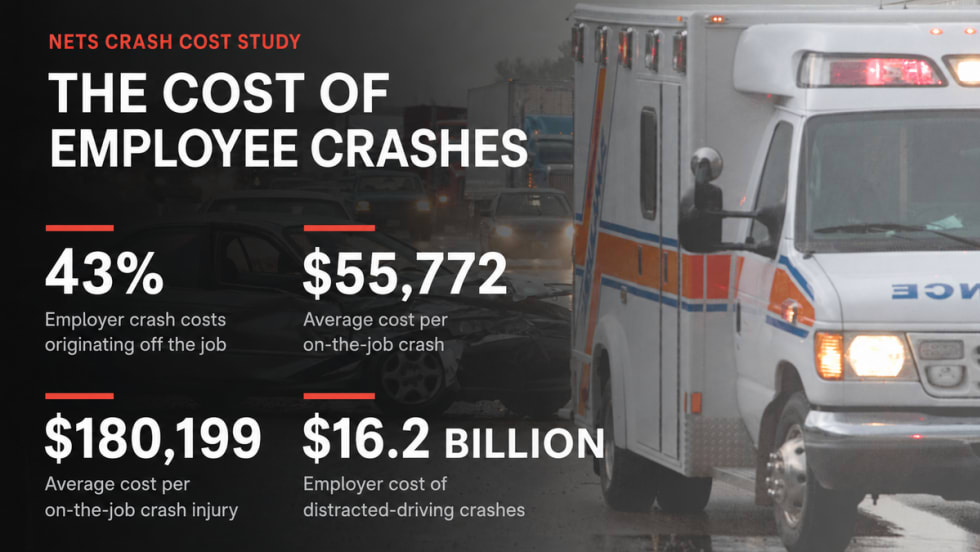
Off-the-Job Crashes Account for 43% of Employers’ $61.7 Billion Crash Burden
NETS quantifies costs dispersed across fleet, risk, HR, and other departments while providing new per-crash benchmarks for employers.
Read More →
Ram Recalls More Than 1.27 Million 1500 Pickups for Seat Belt Anchor Issue
The recall affects certain 2019-2026 Ram 1500 pickups that may have improperly attached second-row seat belt buckle anchors.
Read More →
How Better Visibility Cut Speeding Violations by 48%
Fleet leaders don't need more data, they need clearer visibility into what the data is saying. This case study explores how one utility replaced speeding-event counts with a single metric — miles driven in violation — to strengthen safety and significantly reduce speeding violations.
Read More →
Operation Safe Driver Week: Why the Industry's Oldest Safety Campaign Still Matters to Fleets
A look at how a 2007 enforcement initiative became one of the most consequential weeks on the fleet safety calendar, and what it means for your drivers in 2026.
Read More →