




Fleet Execs Predict Fuel Prices to Remain High
LONDON – Results of the Fuel Management for Fleets 2008 report revealed that the vast majority of fleet executives expect fuel purchasing to become an even bigger challenge and environmental issues to play a much larger role in their fuel management decisions.

LONDON – Results of the Fuel Management for Fleets 2008 report revealed that the vast majority of fleet executives expect fuel purchasing to become an even bigger challenge and environmental issues to play a much larger role in their fuel management decisions.
With skyrocketing fuel prices, supply chain issues, new hardware specifications, environmental regulations, and endlessly evolving technologies, the current climate can be daunting for fleet executives responsible for fuelling their vehicles. With this in mind, eyefortransport asked survey respondents to pinpoint the areas that concern them the most, and to reveal their strategies for dealing with these challenges.
The report revealed that traditional fuel purchasing strategies are still the most popular, with 26 percent of respondents relying on negotiations with suppliers, 17 percent negotiating with fuel-card companies, and 14 percent creating and implementing a fuel-buying plan. Appointing a fuel manager, setting up a limited network, implementing the latest price gathering technology, and using risk management (hedging) strategies are still low on the list of active strategies, but are on the rise, each seeing an increase of a few percent over the last year.
The majority of executives expect fuel prices to stay high or continue to rise — 12 percent said they would remain relatively stable and 80 percent expect oil prices to rise over the next twelve months. Only eight percent expect these prices to fall.
One of the more sensitive areas covered by the report is customer surcharging. While the hope is that, via hybrids, aggressive fuel efficiency programs, bulk fuel purchases, and alternative technology, fleets can limit surcharges in the future. Currently 18 percent of respondents in 2007, rising to 28 percent in 2008, divulged that they offset all fuel price increases with customer surcharges.
According to the 2008 survey, a combined 76 percent of fleet executives rated environmental concerns as being one of the most important factors in their fuel management decisions, of which 37 percent rate green issues as “very important,” and another 17 percent as “top priority.”
More Operations

Your Local Dealer Knows More Than You Think
Your local dealer can provide an information advantage that extends well beyond courtesy deliveries.
Read More →
Fleet Meets: Austin Schutte
Here are some industry insights, personal touches, and words of advice from the CEO and Founder of Anew Solutions.
Read More →
Soap Box Derby Challenge: What’s Powering Team Brown
The car is coming together, the students are solving real build problems, and the fleet industry is helping push Team Brown toward the starting line.
Read More →

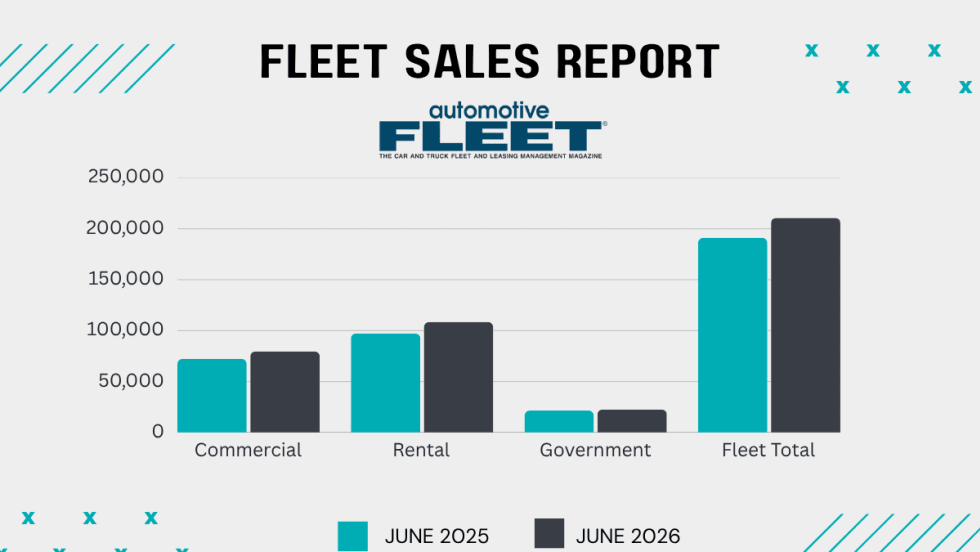
Commercial Fleet Sales Contribute To June, YTD Gains
The fleet sector has boosted its vehicle purchases at a reliable pace in the first half of this year compared with 1H 2025.
Read More →
What Fleet Managers Really Want From Vendors
From customer service frustrations and technology breakdowns to RFQs, change management, and the growing impact of turnover across the industry, this conversation pulls back the curtain on the real operational challenges fleet managers are navigating every day.
Read More →
Fleet Safety Masterclass: Industry Leaders on Storytelling, Strategy & Innovation
In this special masterclass episode, industry leaders break down what it really takes to build safer fleets in today’s increasingly distracted and data-driven world.
Read More →
Integrating Legacy Fleet Systems and Historical Data
In this episode, we bring together fleet and technology leaders to unpack the realities of data integration, system migrations, and the evolving role of AI in fleet management.
Read More →
From Resistance to Results: Change Management Strategies for Fleets
From new technologies and safety programs to evolving regulations, fleets are under constant pressure to adapt. But as Dr. Betz explains, success isn’t about the system you implement—it’s about whether your people actually use it.
Read More →
Where We're Headed: A Practical Look at AI in Fleet
Discover how AI is actually being deployed in fleets, not just marketed, including practical use cases and emerging risks.
Read More →
How Coca-Cola United Protects Its Fleet from Growing Legal Risk
Growing legal exposure can put fleets at risk. Here's one company's approach.
Read More →