




Fleet Adoption of Alt-Fuel Technology Growing, New Report Shows
Over 98% of fleets involved also said they expected a continued interest, or increased investment, of sustainable vehicle technologies and fuels, according to the new report.

The new report offers insights into the adoption of alternative fuels for a variety of fleet segments.
Graphic: The State of Sustainable Fleets 2020 report
Fleet investment in natural gas, propane, battery electric, and hydrogen fuel cell electric vehicles have all grown in terms of vehicle and fuel sales over the last several years, according to a new industry report titled “The State of Sustainable Fleets 2020.”
The new report offers insights into the adoption of alternative fuels for a variety of fleet segments. Over 98% of fleets involved also said they expected a continued interest, or increased investment, of sustainable vehicle technologies and fuels, according to the new report.
The analysis includes feedback from a variety of fleets including, urban delivery, refuse, utility, transit, short-haul, and long-haul sectors.
Competition from the emergence of commercially viable sustainable technologies has caused manufacturers and fleets to push the limits of efficiency improvements and increasingly turn to renewable fuel replacements for baseline fuels, the study observed. However, despite growing interest in alt-fuels, experts expect gasoline and diesel to remain the dominant technologies for U.S. fleets for at least the next decade.
Sustainability was the top motivator for purchasing decisions among fleets in deploying clean vehicle technologies.
When looking at EVs, based on surveys reported in the study, 69% of early adopter fleets plan to pilot or purchase medium- and heavy-duty BEVs in the near-term. Also, more than 90% of surveyed fleets that plan to use BEVs will install their own charging infrastructure and around one third will install their own energy storage or generation over the next two year.
Fleets involved in the study cited reduced maintenance costs, fuel cost savings (when charging is managed), and driver satisfaction as important benefits of BEVs.
The study also observed trends of renewable natural gas (RNG) technology, and found that over 70% of surveyed urban, delivery, transit, utility and refuse fleets continue to purchase and pilot natural gas vehicles over the next 24 months. Also reported was a 400% increase in RNG use by U.S. fleets over the last several years.
While adoption of sustainable vehicle technologies is increasing, fleets acknowledge that there are still barriers to overcome, the report observed. The need for more fueling infrastructure and incremental capital costs are consistent challenges found across all vehicle platforms. However, fleets that have successfully deployed sustainable vehicle technologies in their regular operations have spent considerable time to understand and adapt to new technologies in ways that remove barriers, which fleets say is critical to maximize payoff.
More Green Fleet
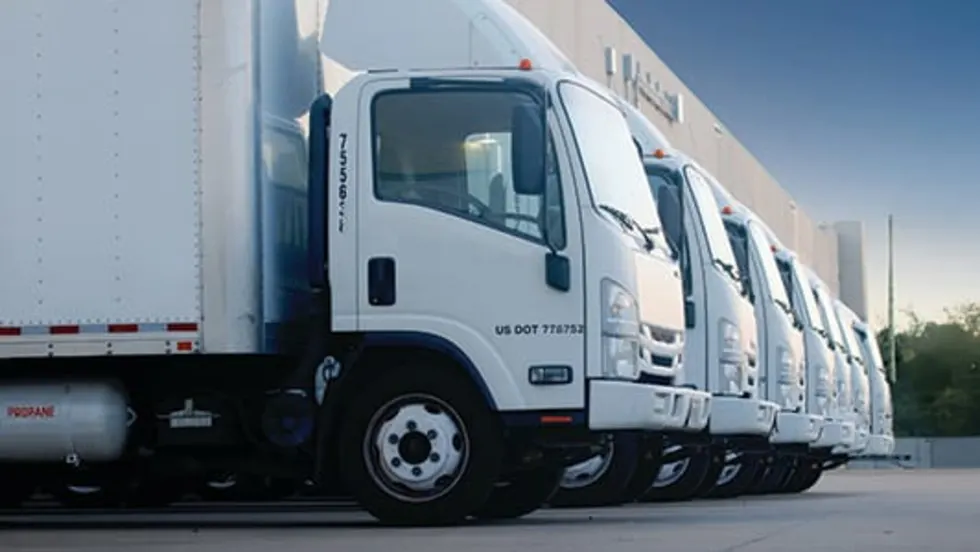
New Propane Autogas Program Offers Fleet Compensation
Qualified commercial fleets can receive $7,500 per eligible propane autogas vehicle and up to $10,000 for new refueling site prep. Learn how the program works and see whether your fleet qualifies.
Read More →
EV Charging Use Is Outpacing Infrastructure Growth
ChargePoint’s 2026 Charging Forward Report points to rising charger use, higher-powered charging, commercial vehicle electrification, and energy-management technology. Here’s what fleets should know.
Read More →
Merchants Fleet Reports 290M EV Miles as Fleets Navigate Changing Electrification Market
From millions in operating savings to hundreds of millions of EV miles, Merchants Fleet’s latest report reveals what’s working and what’s changing in fleet electrification.
Read More →
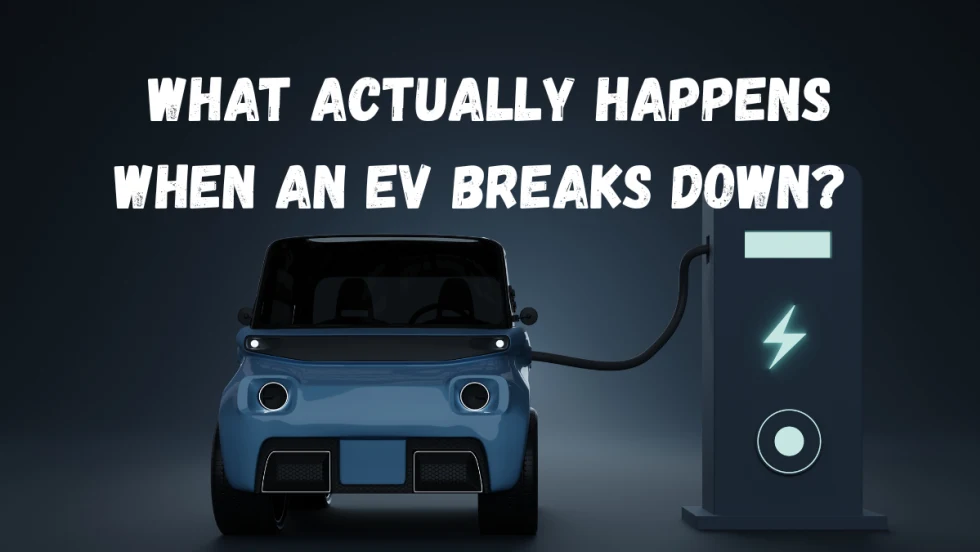
The EV Breakdown Nobody's Talking About: Why Most Electric Vehicle Roadside Calls Aren't Mechanical Failures
Here's why EV breakdowns are widely misunderstood.
Read More →
ChargePoint Now Available in Energy Pass
ChargePoint and additional planned charging network integrations were added to GM's Energy Pass.
Read More →

First Look: Slate Auto's Electric Fleet Pickup
Could an affordable, modular EV pickup make electrification more practical for fleets?
Read More →
Slate Debuts Colorful, Unique EV Models
A recent media and client event, studded with electric vehicles dressed up on platforms, planted a new position for the manufacturer in the wider EV market. Fleets will find cost-saving advantages.
Read More →
Slate Electric SUV, Pickup Switchable Model Aims For Light-Duty Fleets
Everything about this EV is counterintuitive and understated, making it stand out from the crowd.
Read More →
Inspiration Mobility Acquires Key Electrada Assets
Inspiration Mobility Group has acquired select assets of Electrada, adding the fleet electrification provider's team, technology, and charging infrastructure development capabilities to its energy management business.
Read More →