





More News: Biden Signs Semiconductor Bill
EVs Eligible for $7,500 EV Tax Credit in Inflation Reduction Act
The Inflation Reduction Act changes the availability of electric vehicle tax credits to only those assembled in North America. Several popular EVs — Hyudai Ioniq 5, Kia EV6, and BMW — i4 aren't eligible.
August 19, 2022

The total amount of the tax credit allowed for an electric vehicle is limited to $7,500.
allowed for an electric vehicle is limited to $7,500.[|CREDIT|]
Photo: Canva
2 min to read
The Inflation Reduction Act of 2022, the major climate bill, went into effect on Aug. 16, adding a new requirement for final assembly in North America. As of now, only EVs assembled in North America qualify for the electric vehicle tax credits.
In the new climate bill, there are several additional provisions that will affect the availability of EV credits; they will go into effect over the coming months and years.
The Department of Energy has provided a list of model year 2022 and early model year 2023 electric vehicles that could meet the final assembly requirements. For some vehicle manufacturers, the build location may vary based on the specific vehicle, trim, or the date in the model year when it was produced; some vehicle models are produced in multiple locations.
To identify the manufacturer location for a specific vehicle, search the vehicle identification number (VIN) of the vehicle on the VIN Decoder website for the National Highway Traffic Safety Administration (NHTSA).
According to the IRS, the total amount of the credit allowed for a vehicle is limited to $7,500. For vehicles acquired after Dec. 31, 2009, the credit is equal to $2,500 plus $417 (for a vehicle that draws propulsion energy from a battery with at least 5 kilowatt hours of capacity). An additional $417 is added for each kilowatt hour of battery capacity beyond 5 kilowatt hours.
Some car manufacturers have already reached a cap of 200,000 EV credits used. That cap is lifted on Jan. 1, 2023, so cars identified as “manufacturer sales cap met” won’t qualify for the electric car tax credit until 2023.
The Department of Energy’s list will most likely change with the EV tax credit’s upcoming provisions or as manufacturers change their production plans.
Learn more in this video with Mike Antich.
More Fleet Forward

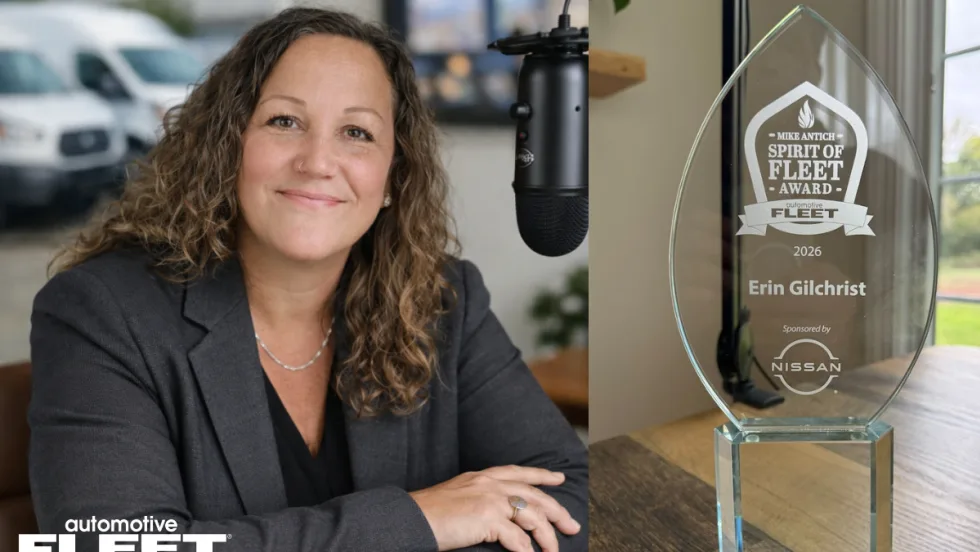
Erin Gilchrist Receives Mike Antich Spirit of Fleet Award
Last week at AFLA in Vegas, Erin Gilchrist received the inaugural, brand-new Spirit of Fleet Award.
Read More →
Dominika Leja Named the 2026 Fleet Manager of the Year
The AstraZeneca associate director of fleet was recognized for her leadership in fleet electrification, cost savings, and operational transformation.
Read More →
Jamie McKay Named the 2026 Fleet Visionary Award Winner
The Aptive Pest Control fleet manager was recognized for her approach to operations, data, lifecycle management, and driver needs.
Read More →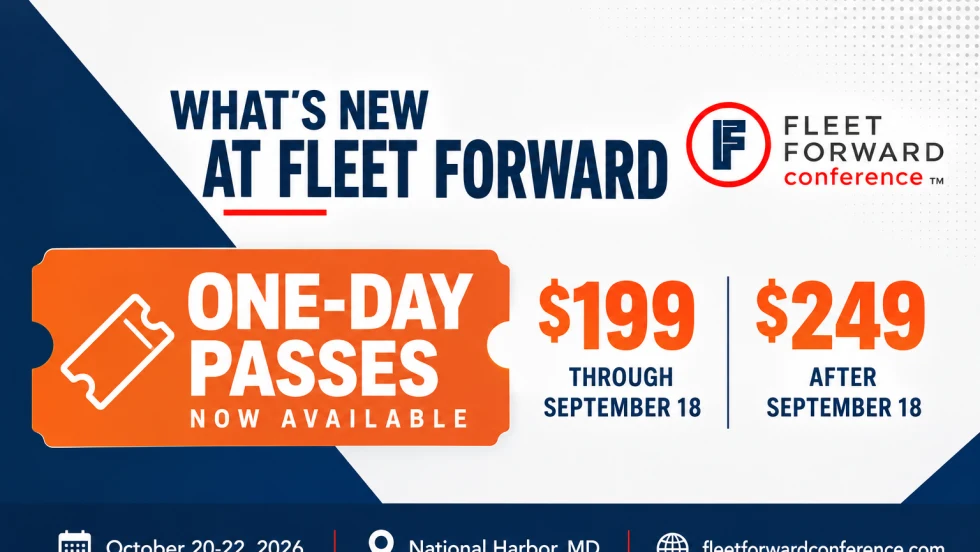
Fleet Forward Conference Introduces One-Day Passes for 2026
New one-day registration gives fleet professionals the flexibility to attend Tuesday, Wednesday, or Thursday, with passes available for $199 through Sept. 18.
Read More →
Vibe Coding: When Fleet Managers Become Software Builders
Five fleet professionals — none with programming skills — discuss how they’re using AI to build fleet solutions in-house and in a fraction of the time.
Read More →
Fleet Forward Conference Tackles Fleet Industry’s Growing Leadership Gap
This session will examine succession planning, knowledge transfer, and the skills the next generation of fleet leaders will need as veteran professionals leave the industry.
Read More →
2026 Fleet Manager of the Year Finalists Announced
Who are the 2026 Fleet Manager of the Year finalists?
Read More →
John Rossant to Deliver Opening Keynote at 2026 Fleet Forward Conference
The CoMotion founder will draw on developments across Europe, China, the Middle East, and other international markets to identify trends that could influence how U.S. fleets plan for the coming decade.
Read More →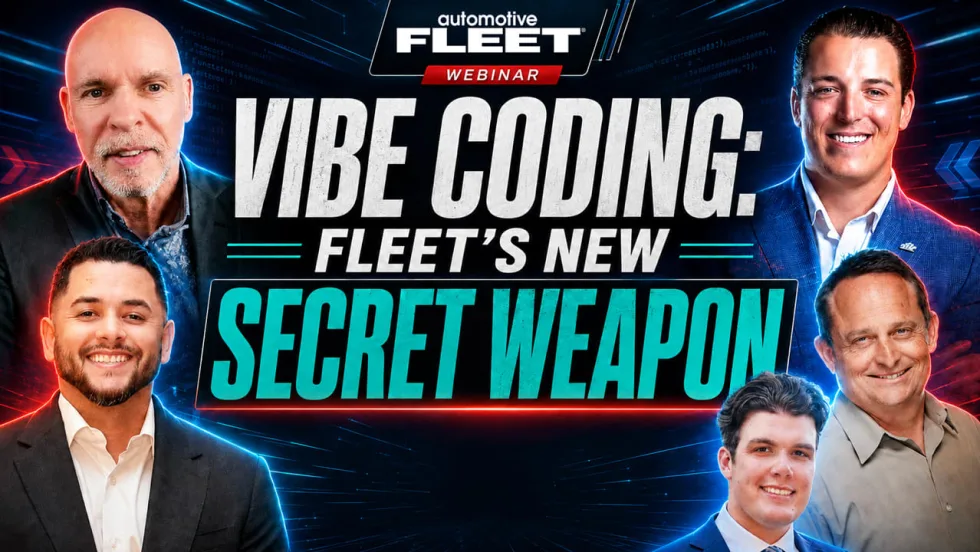
How to Build Custom Fleet Tools With AI and Vibe Coding [Webinar]
A new Automotive Fleet webinar explores how fleet managers are using AI and vibe coding to automate routine work and create simple operational tools without traditional programming skills.
Read More →