




Edmunds.com Reports True Cost of Incentives; Chrysler Remains Highest Spender
Edmunds.com, an online resource for automotive information, reported that the average manufacturer incentive per vehicle sold in the United States was $2,459 in February 2004, up $324, or 15.2 percent, from February 2003, and up $94, or 4 percent, from January 2004.
Edmunds.com, an online resource for automotive information, reported that the average manufacturer incentive per vehicle sold in the United States was $2,459 in February 2004, up $324, or 15.2 percent, from February 2003, and up $94, or 4 percent, from January 2004.
Edmunds.com's monthly True Cost of IncentivesSM (TCISM) report takes into account all of the manufacturers' various United States incentives programs, including subvented interest rates and lease programs as well as cash rebates to consumers and dealers. To ensure the greatest possible accuracy, Edmunds.com bases its calculations on sales volume, including the mix of vehicle makes and models for each month, as well as on the proportion of vehicles for which each type of incentive was used.
Overall, combined incentives spending for domestic Chrysler, Ford, and General Motors nameplates increased by 1.7 percent to $3,409 per vehicle in February, compared to $3,354 in January. Chrysler spent the most per vehicle for the second month in a row, reaching $3,857 per vehicle, up $6 over the previous month, while gaining 0.45 percent of market share. General Motors' incentives spending decreased by $29 to $3,450 per vehicle while its market share gained back a portion of the substantial loss incurred in January, climbing by 1 percent to 27.1 percent. After declining for four consecutive months, Ford's incentives spending increased by $202 to $3,031 per vehicle in February while its market share increased 0.3 percent to 19 percent.
In February Korean automakers spent $1,686, European automakers spent $1,596 and Japanese automakers spent $881 per vehicle sold.
Examining the data by brand, Edmunds.com found that Mini spent virtually nothing on incentives while Scion spent only $66 and Lexus spent only $159 per vehicle. At the other end of the spectrum, Oldsmobile continued to spend the most incentives dollars per vehicle at $5,191, followed by Lincoln at $4,540 and Mercury at $4,314.
Among vehicle segments, large cars had the highest average incentives last month at $3,881, followed by large SUVs at $3,224 and minivans at $3,220. Luxury SUVs had the lowest average incentives at $1,227, followed by luxury sports cars at $1,855 and sport cars at $1,884. Large SUVs gained the most market share since February 2003, increasing from 3.8 percent to 5.3 percent, while midsize cars lost the most market share during that period, down from 18 percent to 16.7 percent.
Industry average days-to-turn, which measures how many days on average it takes to sell vehicles after they arrive at dealerships, was 69 days in February compared to 64 in both January 2004 and February 2003. Isuzu had the longest days-to-turn at 144, followed by Mitsubishi at 121. The quickest inventory turnaround was for Scion at 13 days, followed by Mini at 23 days.
From January 2004 to February 2004 the Edmunds.com New Vehicle Price Index decreased 1 percent to 99.7 (base=100 set in January 2002). From February 2003 to February 2004, the Edmunds.com New Vehicle Price Index has increased by 2 percent from 97.7 to 99.7. Only a couple of the segments posted gains in February: vans saw the largest increase at 1.9 percent, followed by large SUVs at 1 percent. Compact cars had the most significant decline at 2.3 percent, followed by compact SUVs at 1.7 percent.
In February 2004, the sales-weighted average new vehicle sticker price was $29,153, 1 percent lower than in January 2004 but 3.9 percent higher than in February 2003. The sales-weighted average net price was $24,747 – 15 percent below MSRP and the highest since September 2003, when the discount from average MSRP to net price was 16 percent.
The average net price was 19.3 percent below MSRP for domestic automakers in February, compared to 18.5 percent in February 2003. Korean manufacturers' average net price was 14.4 percent below MSRP in February 2004, up from 10.5 percent the previous year. Japanese manufacturers' average net price was 9 percent below MSRP in February 2004, unchanged from last year. European manufacturers' average net price was 6.2 percent below MSRP in February 2004, up slightly from 6 percent last year.
More Remarketing
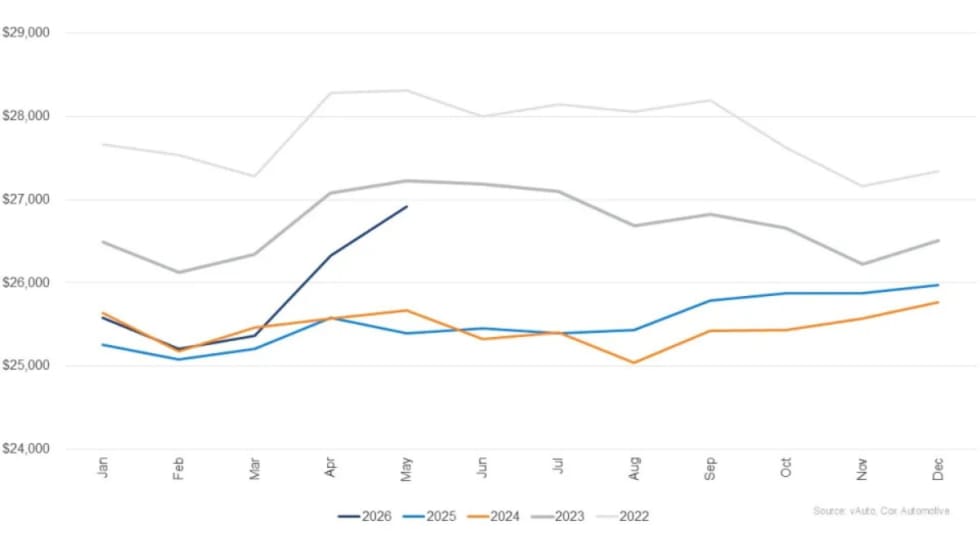
Used Vehicle Prices Climb Higher As Sales Pace Slows
The higher prices at used retail reflect strong wholesale values earlier in the spring, particularly for older, more affordable vehicles.
Read More →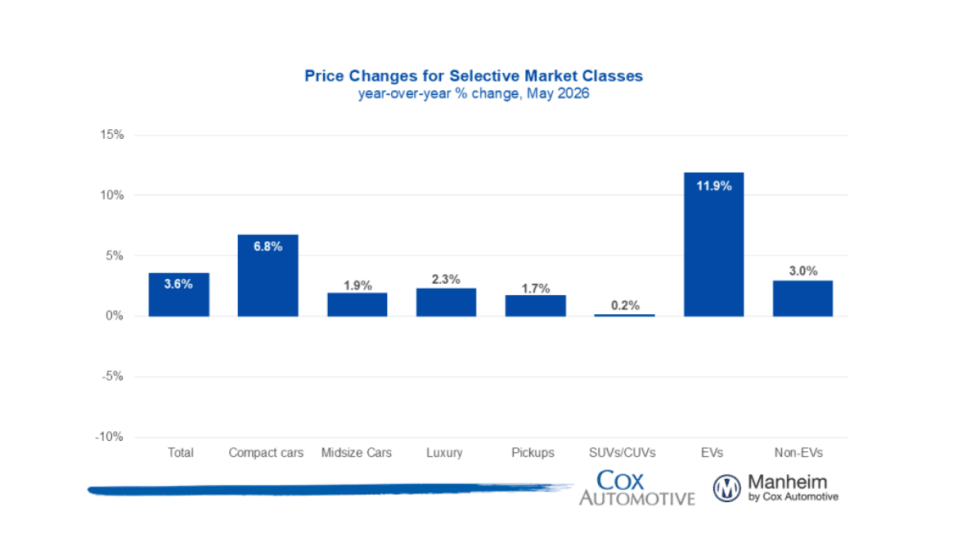
Wholesale Used Vehicle Market Sustains Moderate Rise In Values, Prices
Trends continue to normalize after a strong start to the year, as consumers contend with higher gas prices in the coming summer months.
Read More →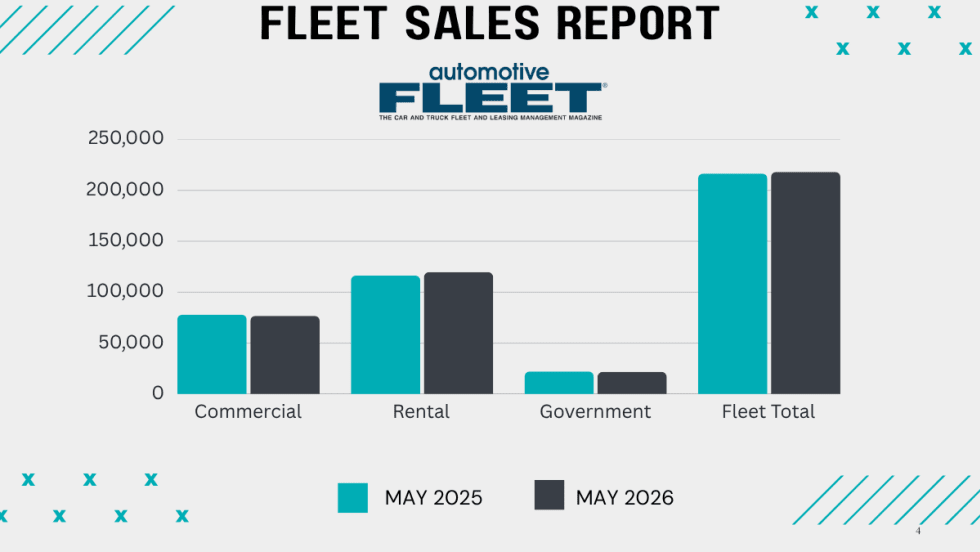
Commercial Fleet Sales Still Lead Sectors Despite May Mini Dip
The U.S. economy's continued growth and positive business investment are creating a favorable environment for fleet vehicle demand.
Read More →
How Connected Vehicle Data Is Lifting Fleet Resale Values
A vehicle health score could improve the value of fleet vehicles at remarketing. The path to a universal standard is forming, and fleets that understand the process early will be better positioned when it arrives.
Read More →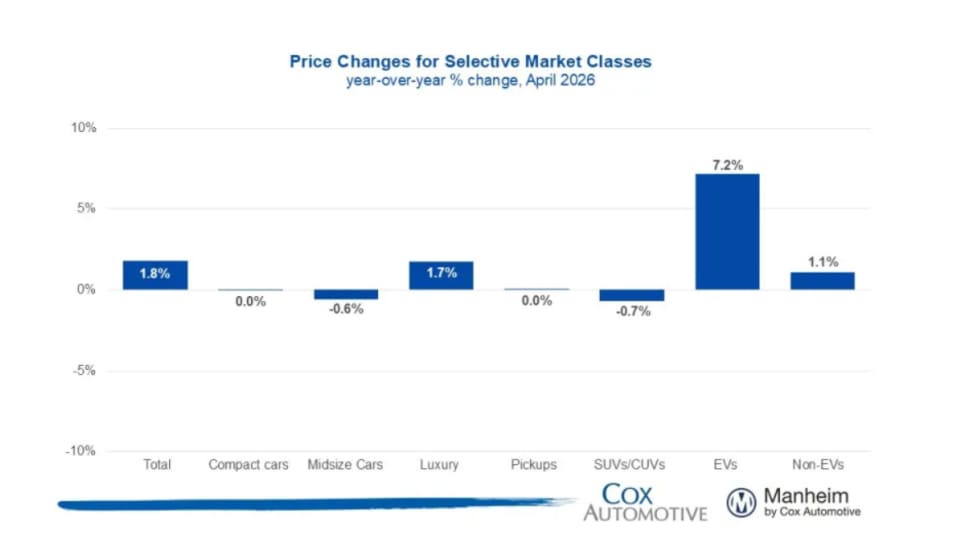
Wholesale Used Vehicle Prices Slightly Up In April
The Iranian conflict and rising gas prices inject much uncertainty into the future wholesale used vehicle markets, as higher gas prices soak up spendable income from vehicle buyers.
Read More →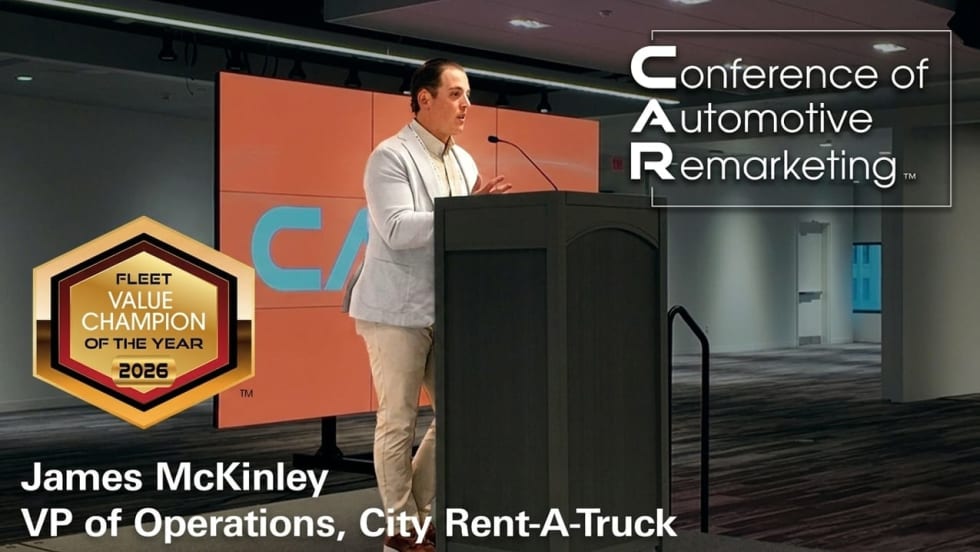
CAR2026: James McKinley Wins Value Champion of the Year
James McKinley of City Rent a Truck was named the inaugural Fleet Value Champion at the CAR Conference for his data-driven approach to fleet lifecycle management and vehicle remarketing.
Read More →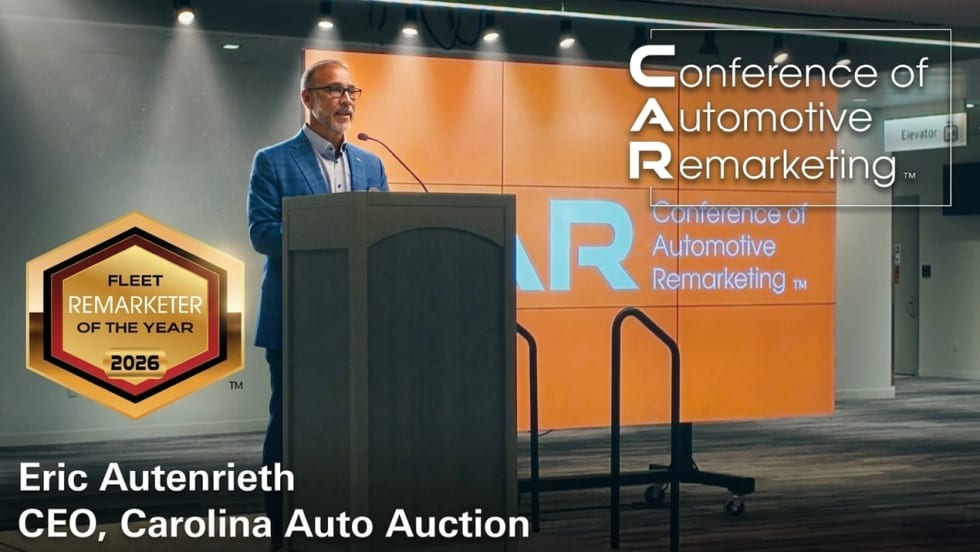
CAR2026: Eric Autenrieth Wins Remarketer of the Year
Eric Autenrieth was recognized at this year's CAR Conference as the Remarketer of the Year.
Read More →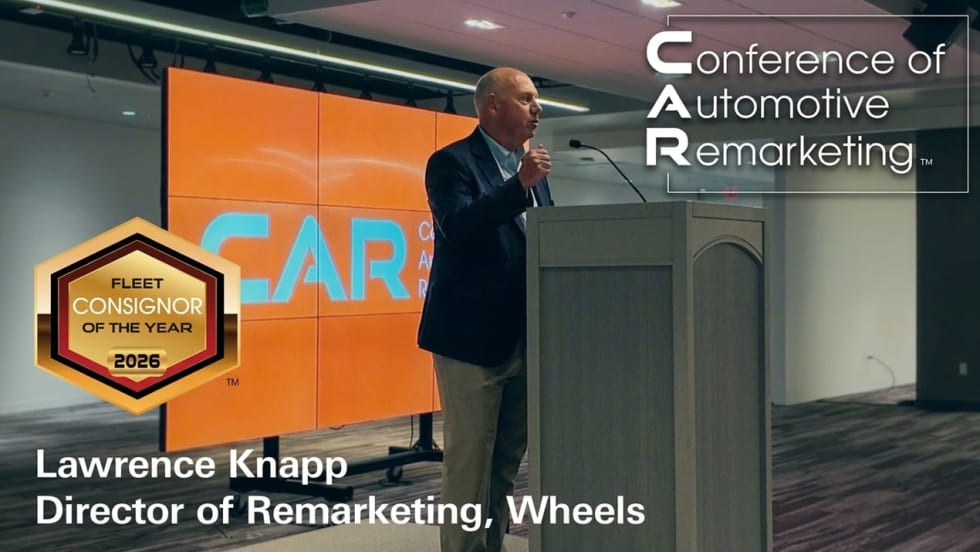
CAR2026: Lawrence Knapp Wins Consignor of the Year
Lawrence Knapp won the Cosigner of the Year award at this year's CAR Conference.
Read More →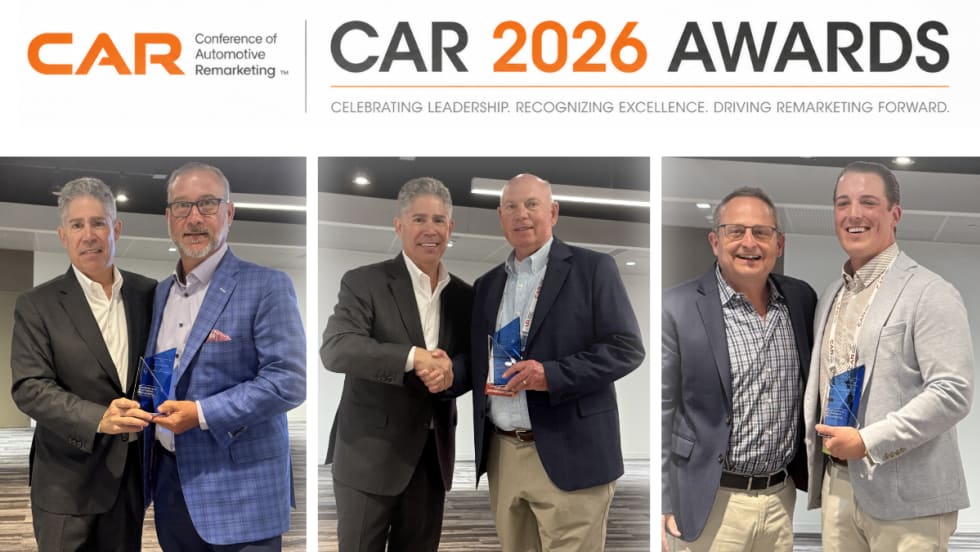
2026 CAR Awards Celebrate Industry Excellence
CAR’s annual Fleet Remarketing Awards opened a reimagined 2026 conference designed to bridge the worlds of fleet management and automotive remarketing.
Read More →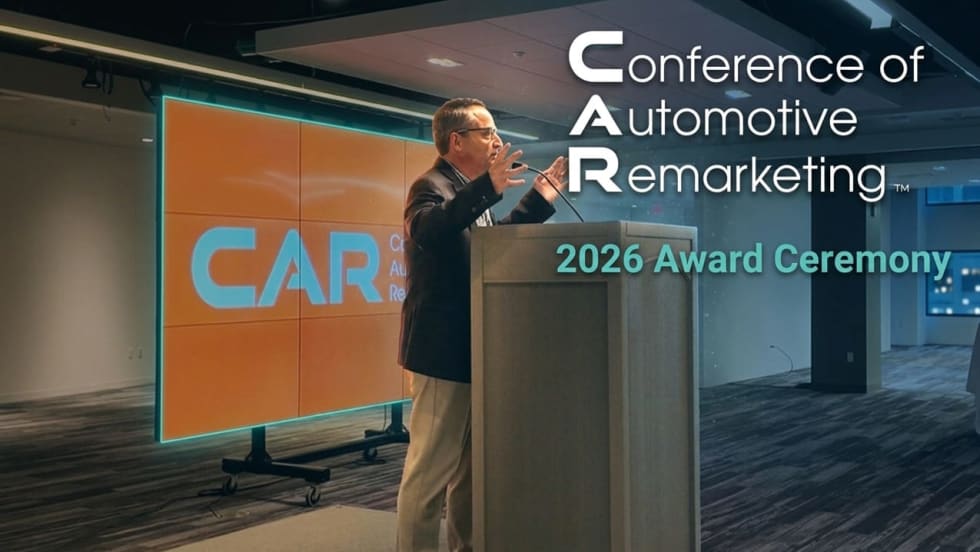
Inside the CAR2026 Awards: Leaders, Legacy & What’s Next
Here's a look inside the awards ceremony at the CAR Conference, where industry leaders reflected on the growth, impact, and future of automotive remarketing.
Read More →