




Donlen Raises $500M in Fleet Financing
Donlen raised $500 million in corporate bond funding Monday to finance its fleet leasing operations via its financing unit, according to its owner Hertz Global Holdings.
Logo via Donlen.
Logo via Donlen.
Donlen raised $500 million in corporate bond funding Monday to finance its fleet leasing operations via its financing unit, according to its owner Hertz Global Holdings.
Donlen issued the Series 2013-3 floating-rate asset-backed notes in four tiers—Class A, Class, B, Class C, and Class D—through its Hertz Fleet Leasing Funding (HFLF) subsidiary. The funding will help repay HFLF's Series 2013-1 notes and make loans to DNRS II, a special purpose subsidiary of Donlen.
The floating-rate notes carry an interest rate based on a spread to one-month LIBOR (London Interbank Offered Rate). The $461.1 million of Class A notes carry a spread of 0.55%; the $13.4 million of Class B notes carry a spread of 1.05%; the $12.9 million of Class C notes carry a spread of 1.45%; and the $12.6 million of Class D notes carry a spread of 2%.
Under the terms of the notes, Donlen may use the funding to acquire vehicles or equipment that will be leased to its customers. After December 2014, HFLF will begin repaying the notes with revenue from lease payments and the sale of vehicles and equipment.
The assumed weighted average life-to-maturity of the Class A notes, Class B notes, Class C notes, and Class D notes are expected to be 1.93 years, 2.82 years, 2.88 years, and 2.92 years respectively, according to a Hertz press release.
More Leasing
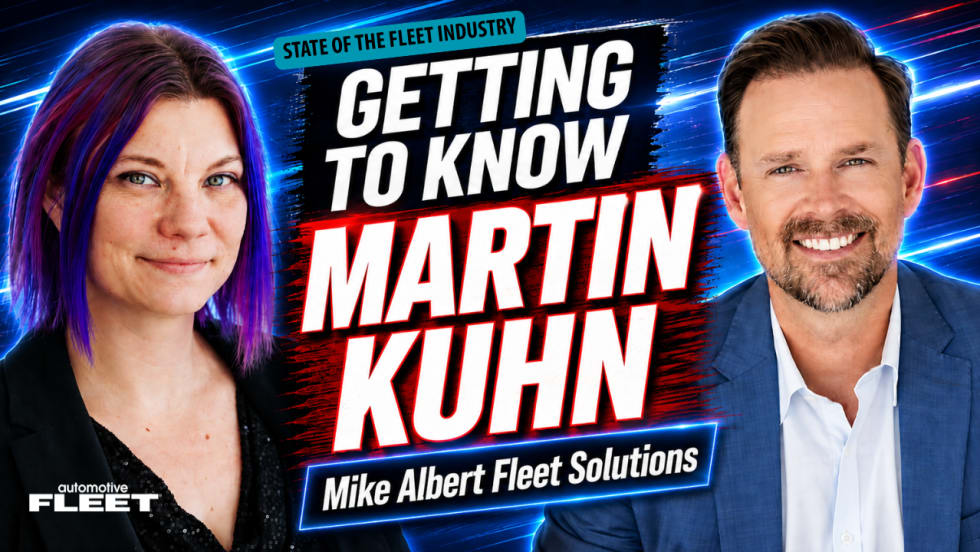
Martin Kuhn on the Future of Mike Albert Fleet Solutions
The new president and CEO explains how Mike Albert Fleet Solutions plans to invest in technology, data, and people without losing the personal service fleet customers value.
Read More →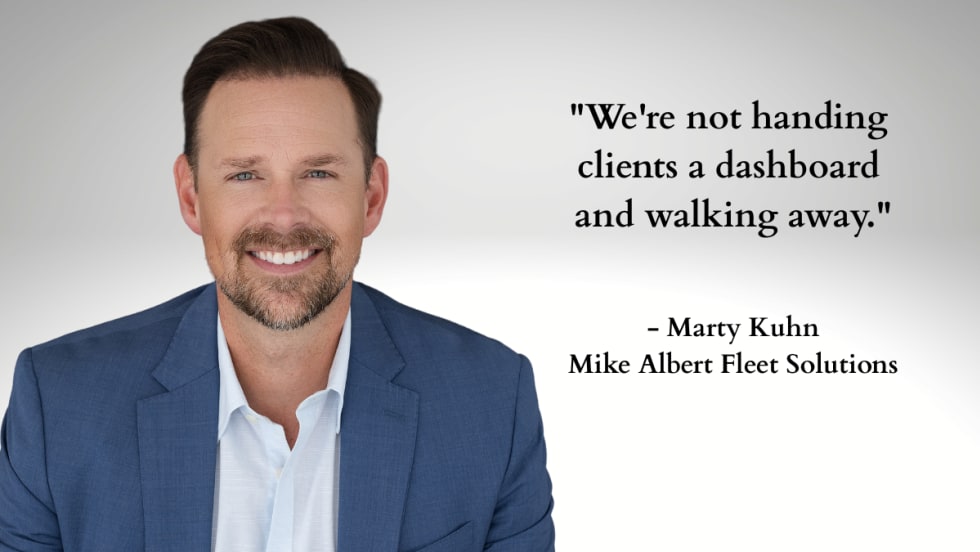
Mike Albert Fleet Solutions Names Marty Kuhn CEO, First from Outside the Family
Kuhn has a theory of what sets the company apart from larger FMCs: depth of partnership over breadth of volume.
Read More →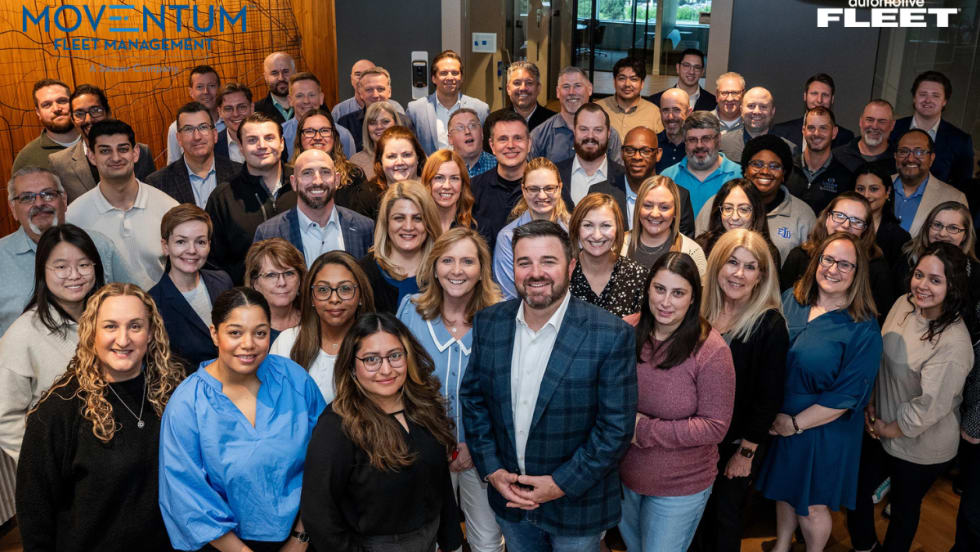
Union Leasing Rebrands as Moventum Fleet Management
The name Moventum reflects the company’s position at the intersection of movement and momentum, with the guiding principle "Keep Work Moving."
Read More →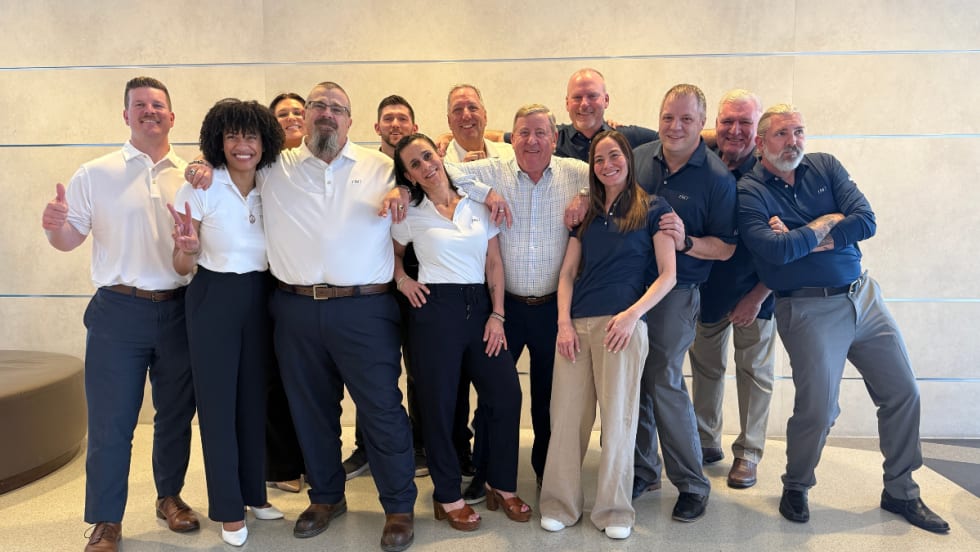
How Does a Mid-Major FMC Compete? Ask BBL Fleet
This Pittsburgh-based FMC built a technology-first culture, sustained double-digit organic growth, and expanded its Midwest footprint through a recent acquisition. How did it happen?
Read More →
What’s Really Happening in Fleet Supply Right Now
Fleet supply has improved, but not everywhere. Merchants Fleet’s Charles Matthew explains where constraints still exist, what risks are emerging, and why fleets shouldn’t wait to place orders.
Read More →
These Edges Are Measured in Inches — Matt Dyer on Fleet’s New Normal
The Merchants Fleet CEO contends that fleets that drive the business win the inches. In 2026, every one of them counts.
Read More →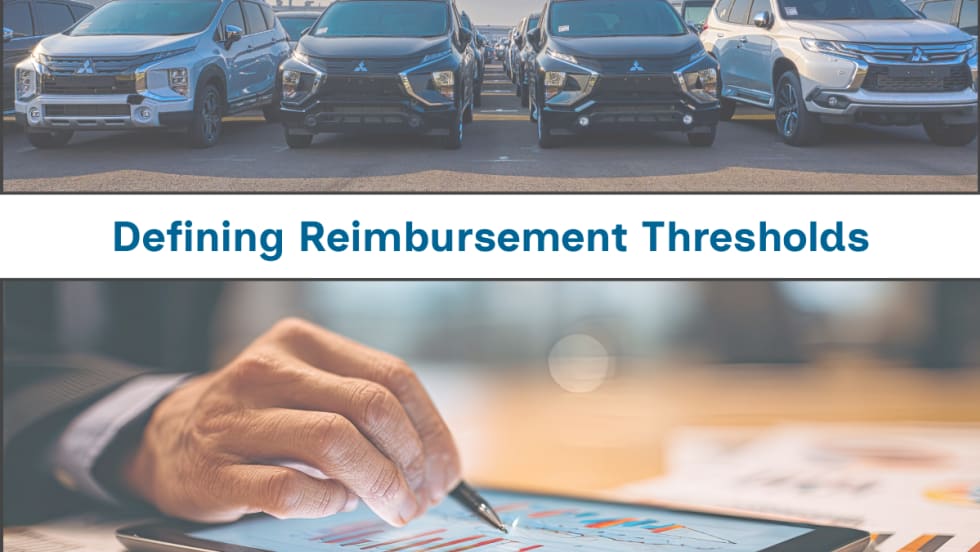
Who Gets a Company Car? (In 2026 and Beyond)
As costs rise and scrutiny increases, fleets are refining criteria that govern eligibility for company-owned vehicles.
Read More →
DriveItAway Holdings, Free2move Launch Operations In Nine Cities
The co-branded program with Stellantis’ mobility division scales up leasing and financing options nationwide with more cities to come online in 2026.
Read More →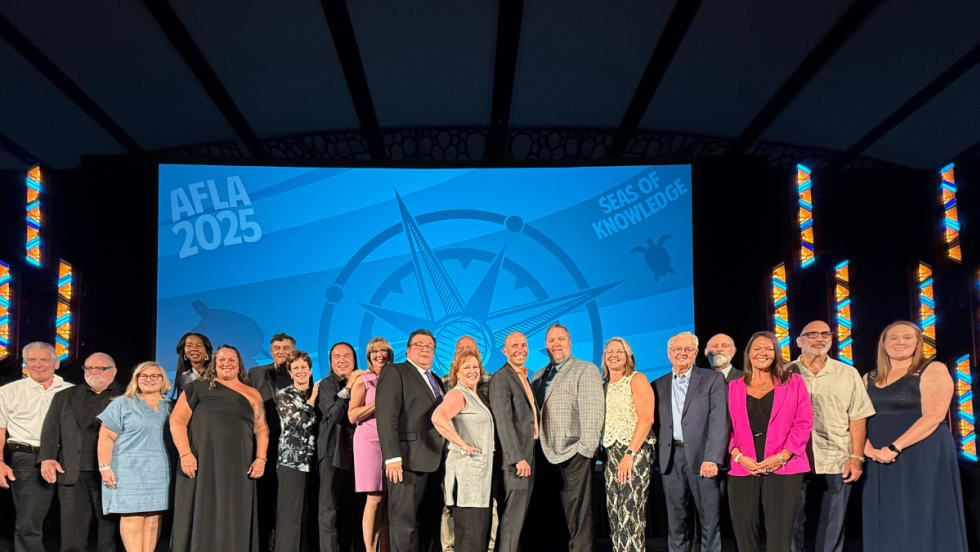
AFLA 2025 Conference in Pictures
Drawing over 640 attendees, the 2025 AFLA Annual Conference was held Sept. 14-17 at the JW Marriott Marco Island Beach Resort in Florida.
Read More →
DriveItAway, Free2move Partner to Expand Vehicle Access for Dealers
The arrangement enables franchise dealers to offer flexible lease-to-own programs with no credit checks, no down payments, and no long-term commitments.
Read More →