




DaimlerChrysler Honored as 'Environmentalist of the Year'
DaimlerChrysler was named "Environmentalist of the Year" on June 26, 2002, by the Environmental Research and Education Foundation (EREF) at a black-tie gala in Washington, DC.

DaimlerChrysler was named "Environmentalist of the Year" on June 26, 2002, by the Environmental Research and Education Foundation (EREF) at a black-tie gala in Washington, DC. EREF recognizes an individual or organizational achievement in developing environmental solutions for the future. DaimlerChrysler received the award for developing a new recycling technology that could significantly reduce the amount of old car parts going to landfills. The CARE (Concepts for Advanced Recycling and Environmental) Car II demonstrated that waste could be turned into a valuable product. "DaimlerChrysler is the perfect example of the manufacturing industry's commitment to identifying crucial environmental issues and applying innovative and beneficial technology for the good of us all," said Ronald McCracken, chairman of EREF. Bernard Robertson, senior vice president - Engineering Technologies and Regulatory Affairs accepted the award on behalf of DaimlerChrysler. "There is a certain irony naming a manufacturing company as 'Environmentalist of the Year,'" said Robertson. "But this award highlights the opportunities that global companies like DaimlerChrysler have to bring together different industries to invent environmental solutions. The CARE Car project also demonstrates that industry can protect the environment and the bottom line at the same time." The CARE Car II demonstration program has the goals of increasing the recyclability and recovery of automobiles from 75 percent to 95 percent by eight, and increasing the use of recycled materials in production vehicles. The project used an automated process developed by Recovery Plastics International (RPI) to sort and separate different types of plastic from the residue. The recovered plastic was recycled and ready for reuse. Two Jeep Grand Cherokees were retrofitted with 54 parts made with recycled plastic. Twenty-six of DaimlerChrysler's production supply partners helped manufacture a wide variety of plastic components from the recycled plastic including carpet padding, the glove box bin, interior door trim molding, exterior body molding, and fender liners. The recycled parts met the current production material specifications, and were molded using production molds and processes. In addition, the recycled plastic offered a cost savings of about 30 percent versus the use of virgin plastic in manufacturing the components. This savings could translate into an industry-wide savings of up to $320 million dollars per year.
More Operations

The Top 300 Commercial Fleets
The Top 300 Commercial Fleets: See the List
Read More →
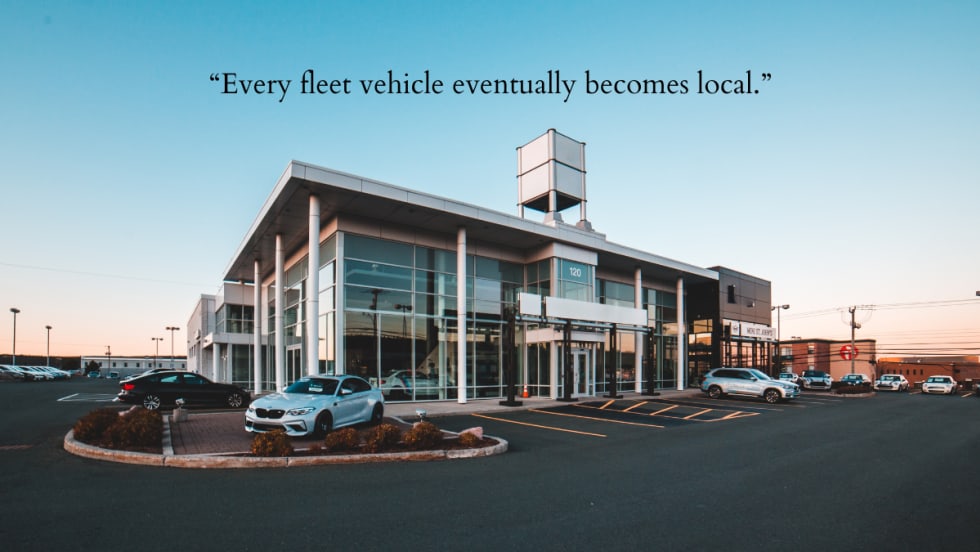
Your Local Dealer Knows More Than You Think
Your local dealer can provide an information advantage that extends well beyond courtesy deliveries.
Read More →


Fleet Meets: Austin Schutte
Here are some industry insights, personal touches, and words of advice from the CEO and Founder of Anew Solutions.
Read More →
Soap Box Derby Challenge: What’s Powering Team Brown
The car is coming together, the students are solving real build problems, and the fleet industry is helping push Team Brown toward the starting line.
Read More →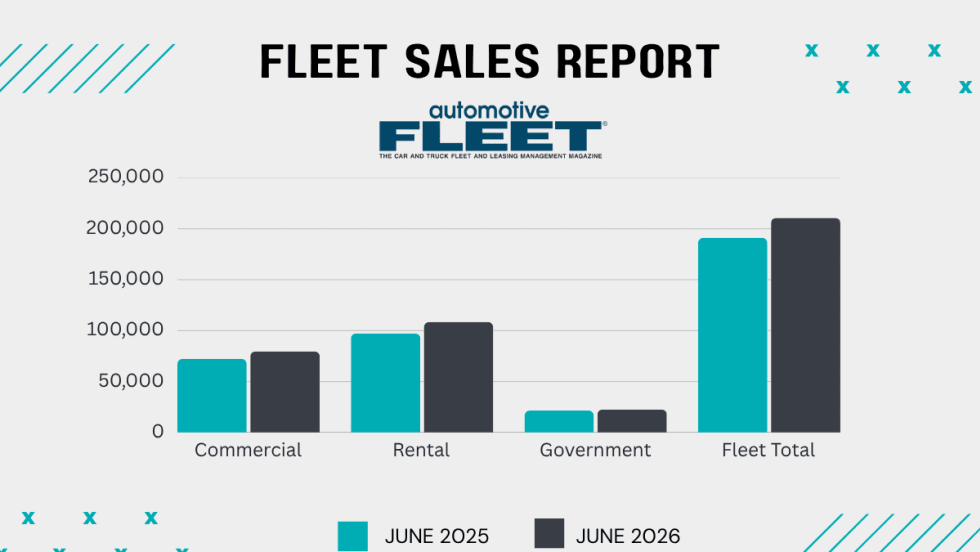
Commercial Fleet Sales Contribute To June, YTD Gains
The fleet sector has boosted its vehicle purchases at a reliable pace in the first half of this year compared with 1H 2025.
Read More →
What Fleet Managers Really Want From Vendors
From customer service frustrations and technology breakdowns to RFQs, change management, and the growing impact of turnover across the industry, this conversation pulls back the curtain on the real operational challenges fleet managers are navigating every day.
Read More →
Fleet Safety Masterclass: Industry Leaders on Storytelling, Strategy & Innovation
In this special masterclass episode, industry leaders break down what it really takes to build safer fleets in today’s increasingly distracted and data-driven world.
Read More →
Integrating Legacy Fleet Systems and Historical Data
In this episode, we bring together fleet and technology leaders to unpack the realities of data integration, system migrations, and the evolving role of AI in fleet management.
Read More →
From Resistance to Results: Change Management Strategies for Fleets
From new technologies and safety programs to evolving regulations, fleets are under constant pressure to adapt. But as Dr. Betz explains, success isn’t about the system you implement—it’s about whether your people actually use it.
Read More →