




County Fleet in Texas Projects $73,000 Savings with Propane Autogas
Williamson County began converting vehicles to propane autogas in 2009, and now operates 36 clean vehicles across nine departments, including EMS, Williamson County Constables, and the Parks Department.
Williamson County in Central Texas expects to save $73,000 on fuel costs annually running fleet vehicles on propane autogas. The County began converting vehicles to propane autogas in 2009, and now operates 36 clean vehicles across nine departments, including EMS, Williamson County Constables, and the Parks Department.
“We are pleased to be able to convert part of our fleet to propane autogas, which is domestically produced in Texas, and is less expensive than gasoline or diesel fuels,” said Williamson County Commissioner Cynthia Long. “In addition to being more economical, propane autogas is cleaner burning which makes it better for engine maintenance and emissions.”
In addition to saving on fuel costs, Williamson County was able to take advantage of the 50-cent-per-gallon Alternative Fuel Motor Tax Credit, a federal incentive available through the IRS for fleets that choose propane autogas.
The 36 autogas-powered vehicles in the Williamson County fleet include eight with autogas-dedicated systems and 26 with bi-fuel autogas systems. The County has also built six propane autogas fueling stations, each with a storage capacity of 2,000 lbs.
“Williamson County is just one of the many U.S. fleets making the transition to propane autogas,” said Jackie Mason, education and marketing director of the Propane Council of Texas (ProCOT). “Across Texas, more fleet owners and operators are choosing autogas to power their fleets because it’s simply the most viable fuel on the market. Propane autogas is environmentally friendly, cost-effective, and made in America — the ideal fuel for fleets looking to reduce emissions and their fuel costs.”
Williamson County joins other Texas fleets that have saved significantly using propane autogas, including the Texas Department of Transportation and 75 school districts across the Lone Star State.
More Green Fleet
EV Charging Use Is Outpacing Infrastructure Growth
ChargePoint’s 2026 Charging Forward Report points to rising charger use, higher-powered charging, commercial vehicle electrification, and energy-management technology. Here’s what fleets should know.
Read More →
Merchants Fleet Reports 290M EV Miles as Fleets Navigate Changing Electrification Market
From millions in operating savings to hundreds of millions of EV miles, Merchants Fleet’s latest report reveals what’s working and what’s changing in fleet electrification.
Read More →
The EV Breakdown Nobody's Talking About: Why Most Electric Vehicle Roadside Calls Aren't Mechanical Failures
Here's why EV breakdowns are widely misunderstood.
Read More →
ChargePoint Now Available in Energy Pass
ChargePoint and additional planned charging network integrations were added to GM's Energy Pass.
Read More →

First Look: Slate Auto's Electric Fleet Pickup
Could an affordable, modular EV pickup make electrification more practical for fleets?
Read More →
Slate Debuts Colorful, Unique EV Models
A recent media and client event, studded with electric vehicles dressed up on platforms, planted a new position for the manufacturer in the wider EV market. Fleets will find cost-saving advantages.
Read More →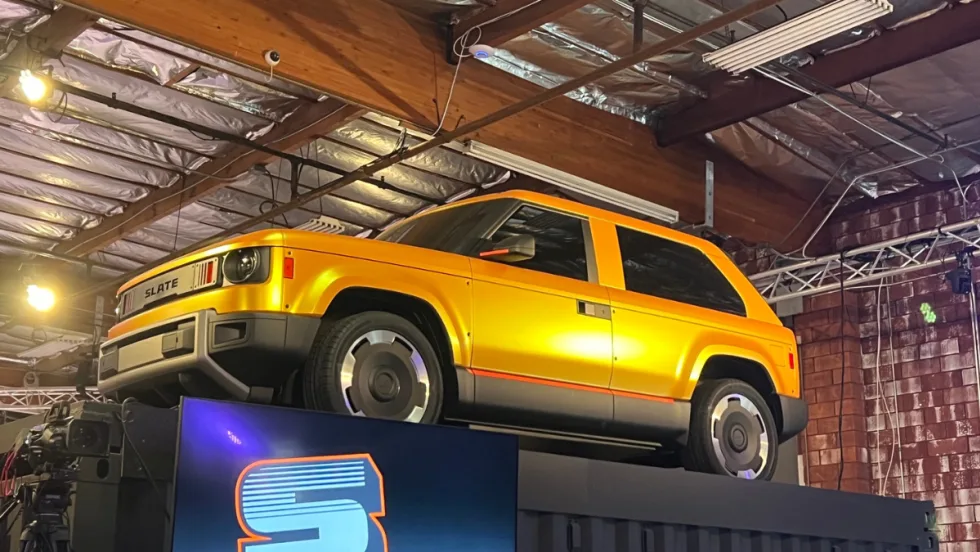
Slate Electric SUV, Pickup Switchable Model Aims For Light-Duty Fleets
Everything about this EV is counterintuitive and understated, making it stand out from the crowd.
Read More →
Inspiration Mobility Acquires Key Electrada Assets
Inspiration Mobility Group has acquired select assets of Electrada, adding the fleet electrification provider's team, technology, and charging infrastructure development capabilities to its energy management business.
Read More →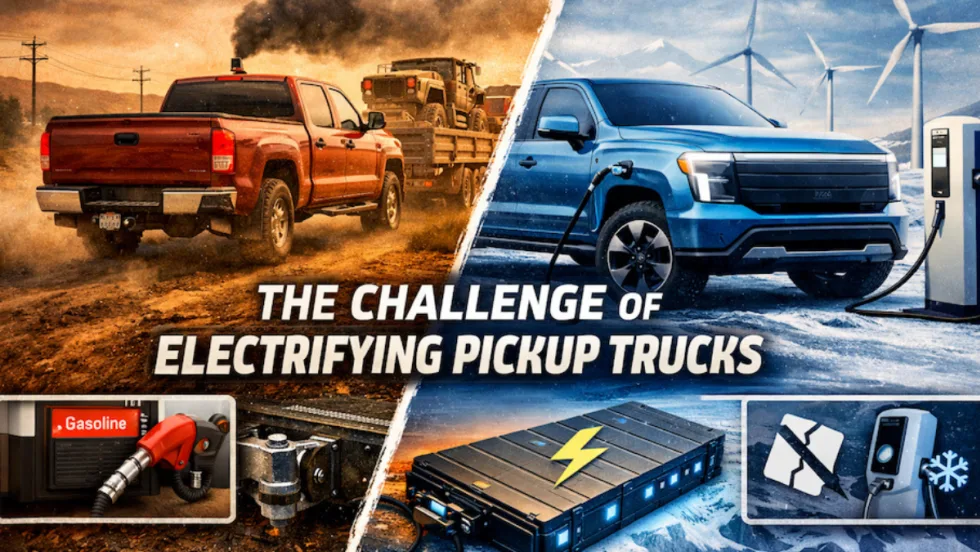
Why America’s Most Popular Vehicle is So Hard to Electrify
Turning America’s favorite workhorse electric means balancing range, payload, charging infrastructure, and price, an equation automakers are still trying to solve.
Read More →